








Oolong Teas from around the world
Discover our collection of loose-leaf oolong teas from China and Taiwan, with flavours ranging from delicate and floral to rich, roasted and full-bodied. Choose from traditional favourites such as Tie Guan Yin and Da Hong Pao, naturally creamy Milk Oolong, fragrant Phoenix Dan Cong and a selection of more unusual varieties.
Each oolong has its own character, shaped by where it is grown and how the leaves are processed. Browse our range to find a tea that suits your taste, whether you prefer something light and refreshing or a deeper, more complex brew.
Chinese Milk Oolong Tea
Choose your option


Taiwanese Milk Oolong Tea
Choose your option


Da Hong Pao, Rock Oolong Tea
Choose your option


Peach Oolong Tea, with dried peach
Choose your option


Fenghuang Dan Cong Oolong Tea
Choose your option


Chinese Osmanthus Oolong Tea
Choose your option


Tie Guan Yin Oolong Tea, Grade A
Choose your option
Peach Oolong Tea
Choose your option


Zhangping Shui Xian Oolong Tea
Choose your option


Wuyi Rock Oolong Tea – Selected Shui Xian
Choose your option


Ya Shi Xiang Dancong Oolong Tea
Choose your option


Wild, Rare Tie Guan Yin Oolong Tea
Choose your option


Rare, Handmade Fo Shou Oolong, Buddha’s Hand Oolong Tea
Choose your option


Old Tree Song Zhong Phoenix Dancong Oolong Tea
Choose your option
More about Oolong Tea
What Is Oolong Tea?
Oolong is a traditional tea made from the leaves of the Camellia sinensis plant, the same plant used to produce green and black tea. What makes oolong different is the way the leaves are processed.
During production, the leaves are allowed to oxidise to varying degrees before being heated to stop the process. Some oolongs are only lightly oxidised, retaining fresh, floral qualities similar to green tea. Others undergo greater oxidation or roasting, developing richer flavours with notes of fruit, honey, nuts and toasted wood.
This variety is one of the reasons oolong tea is so interesting to explore. Two teas made from the same plant can taste remarkably different depending on their origin, cultivar and processing.
Explore Different Types of Oolong Tea
Chinese Oolong Tea
China has a long tradition of producing oolong tea, particularly in Fujian and Guangdong provinces.
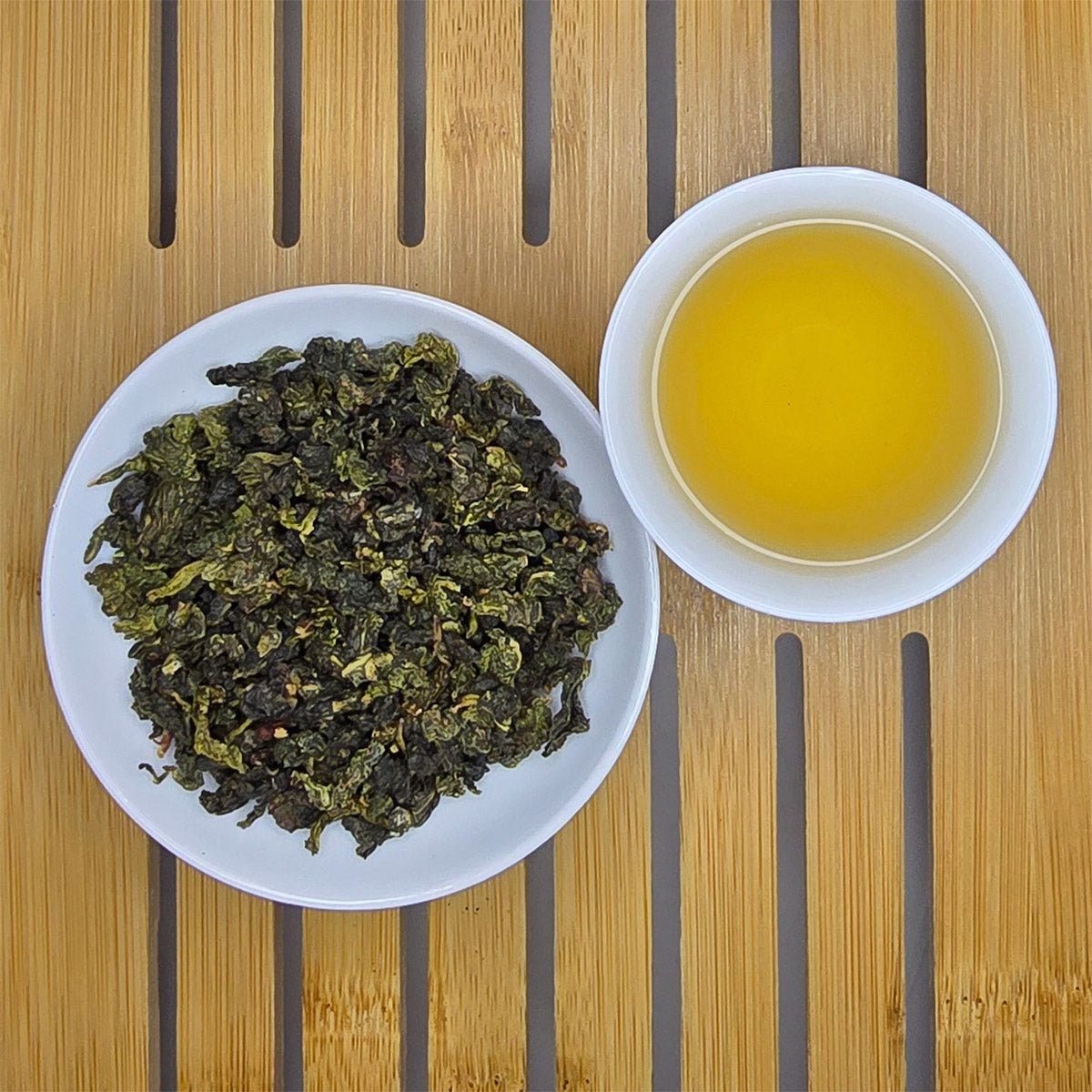
Tie Guan Yin, also known as Iron Goddess of Mercy, is a well-known example. Lighter styles are appreciated for their floral fragrance, smooth texture and gentle sweetness.
For something richer, Da Hong Pao is a traditional Wuyi rock oolong. Roasting gives it a deeper character, with toasted notes and the distinctive mineral qualities associated with teas from the Wuyi Mountains.
Our collection also includes Phoenix Dan Cong oolongs, known for their expressive aromas and complex flavours. Depending on the variety, these teas can display floral, fruity and honey-like characteristics.
Taiwanese Oolong Tea
Taiwan is particularly well known for its fragrant, lightly oxidised oolongs.
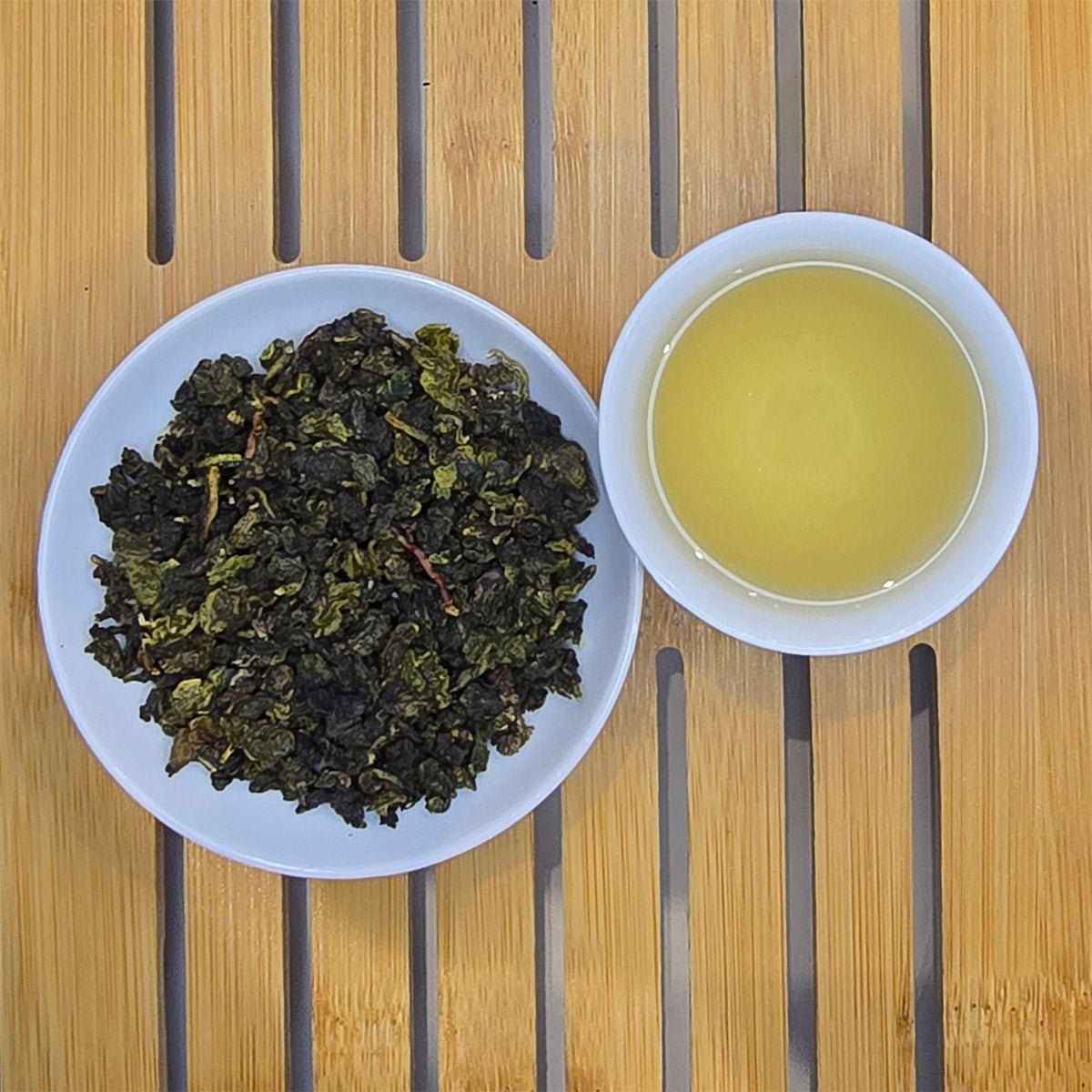
One of the most recognisable is Jin Xuan, commonly called Milk Oolong. This tea is valued for its smooth texture, delicate floral aroma and naturally creamy character.
Our Taiwanese Milk Oolong is made from the Jin Xuan cultivar and contains no added milk flavouring. Its gentle sweetness makes it a good starting point for anyone discovering Taiwanese oolong tea.
Flavoured Oolong Tea
If you enjoy a fruitier or more aromatic cup, our collection also includes Peach Oolong and Chinese Osmanthus Oolong.
These offer a different experience from traditional unflavoured varieties and are worth exploring if you prefer tea with a distinctive fruit or floral character.
How to Choose an Oolong Tea
If you're new to oolong, the easiest way to choose is by thinking about the flavours you already enjoy.
For a light, fragrant tea, try Tie Guan Yin or Taiwanese Milk Oolong. Both offer a softer profile with floral notes and a smooth finish.
If you prefer stronger flavours, Da Hong Pao and other Wuyi rock oolongs are worth exploring. Their roasted character gives them more depth, particularly if you enjoy darker teas.
Phoenix Dan Cong is a good choice if you're interested in complex aromas and discovering how much flavour can develop naturally in a single tea.
There's no single style that represents all oolong tea. Exploring a few different varieties is often the best way to discover your favourites.
How to Brew Loose Leaf Oolong Tea
Oolong tea can be prepared in an ordinary teapot, an infuser or a traditional gaiwan.
For a straightforward starting point, use around 2–3g of loose leaf tea per 200ml of water. Lightly oxidised oolongs generally benefit from water around 85–90°C, while darker or roasted varieties can often be brewed at 90–95°C.
Allow the leaves to steep for approximately 2–3 minutes, then adjust the time according to your preference and the particular tea.
Many whole-leaf oolongs can be infused several times. You may notice the flavour changing as the leaves gradually open, especially with tightly rolled varieties such as Tie Guan Yin and Milk Oolong.
Always check the individual product's brewing recommendations, as different oolongs respond best to different temperatures and steeping times.
Frequently Asked Questions About Oolong Tea
Does oolong tea contain caffeine?
Yes. Oolong tea naturally contains caffeine, although the amount varies depending on the leaves, how much tea you use and the brewing method. It is not a caffeine-free alternative to black or green tea.
Is oolong tea green tea or black tea?
Oolong is a separate category of tea. Green tea is generally processed to prevent significant oxidation, while black tea is more extensively oxidised. Oolong sits across a broad range between these styles, which helps explain its variety of flavours.
What does oolong tea taste like?
It depends on the variety. Light oolongs often have fresh, floral or creamy notes, while darker and roasted styles can taste nutty, fruity, toasted or mineral. The processing method plays a major role in the final flavour.
Can you brew oolong tea more than once?
Yes. Many loose leaf oolongs are suitable for several infusions. Whole leaves gradually unfold during brewing, releasing different flavours over successive steeps.
How should I store loose leaf oolong tea?
Keep your tea in an airtight container, away from direct sunlight, moisture, heat and strong odours. Proper storage helps preserve its aroma and flavour. Some roasted and aged oolongs have different storage characteristics, so follow any guidance provided with the tea.