








Taiwanese Milk Oolong Tea
Available in stock (187)
Taiwanese Milk Oolong Tea – Jin Xuan Oolong from Nantou
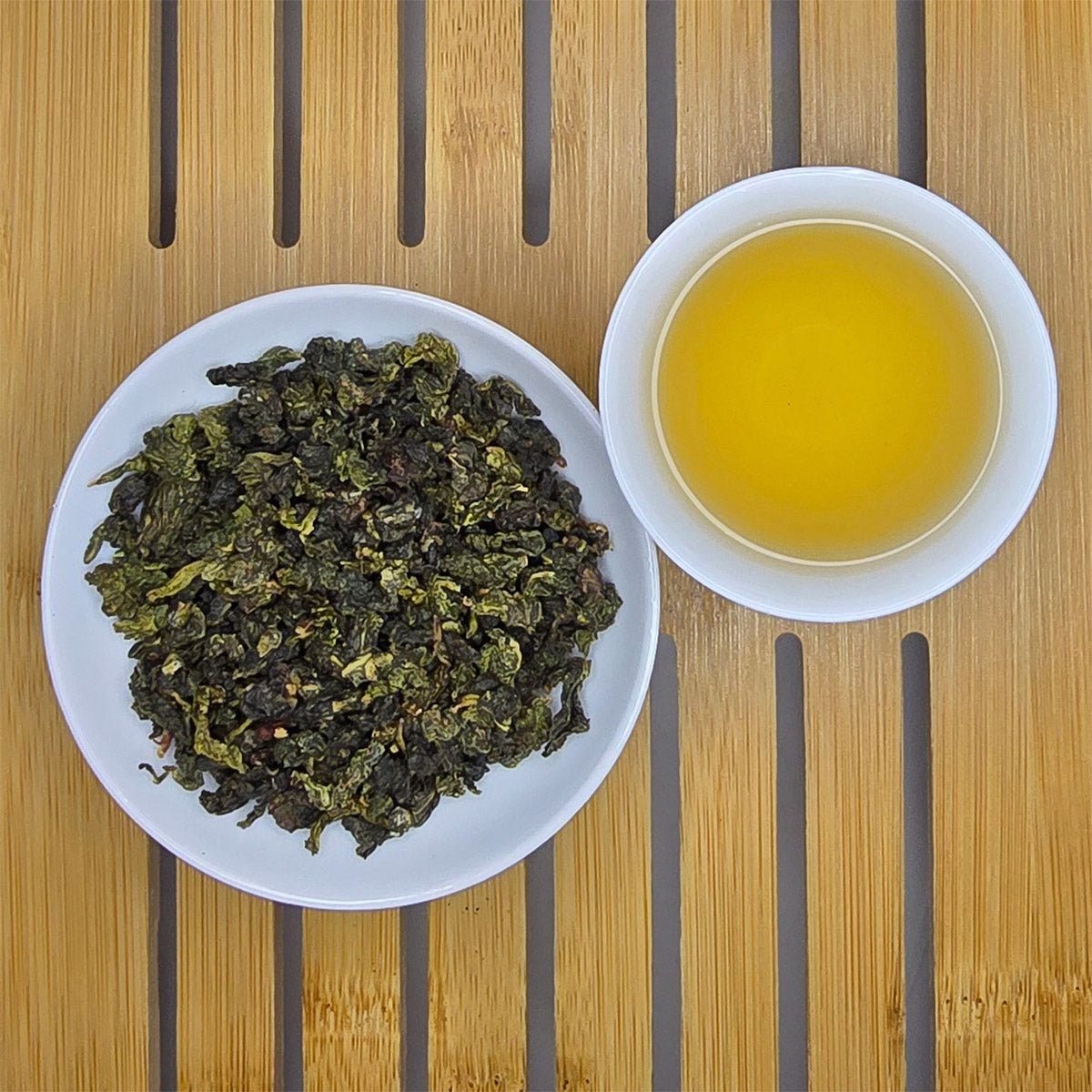
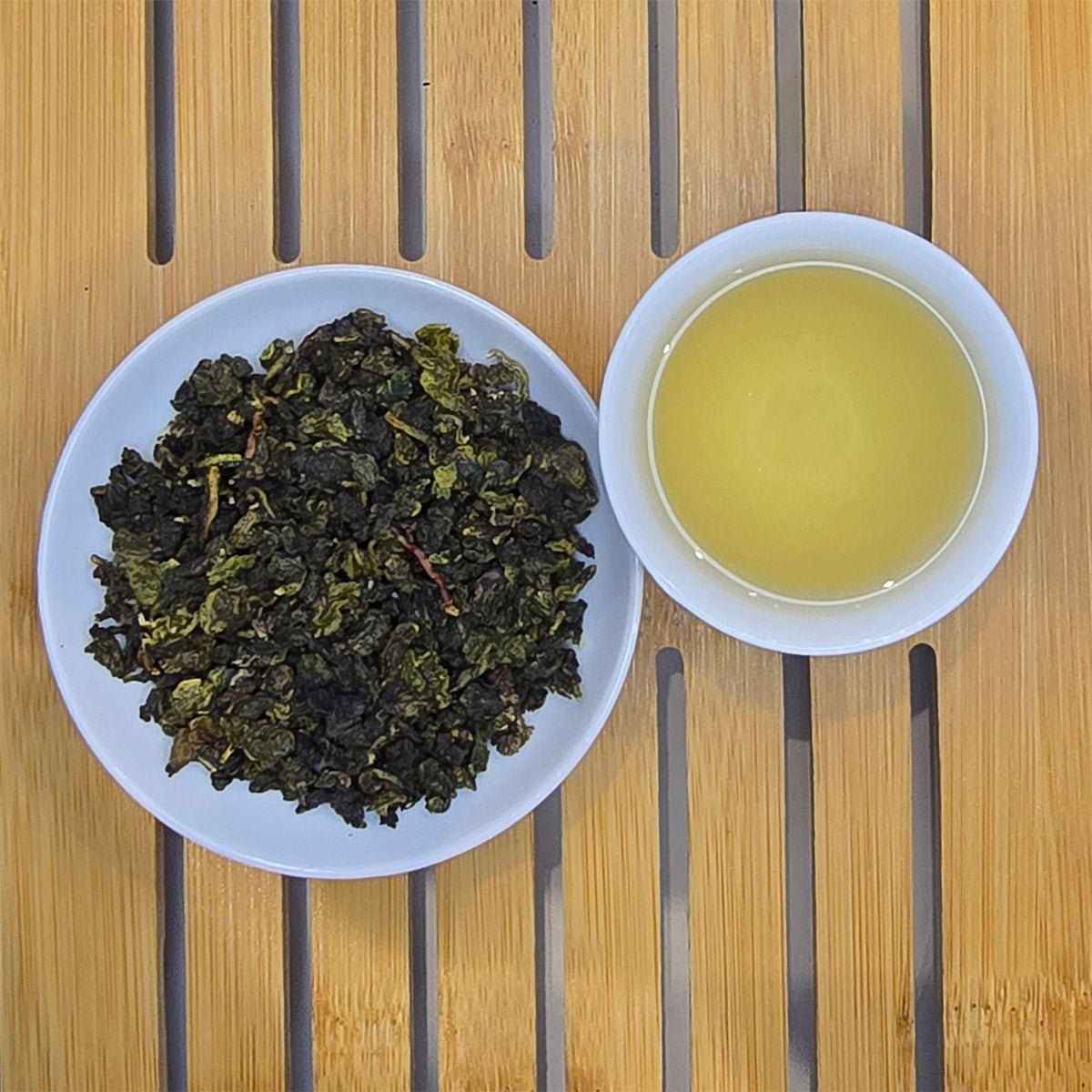
Our Taiwanese Milk Oolong Tea comes from Nantou, one of Taiwan's best-known tea-growing regions. Made from the Jin Xuan cultivar (TTES #12), this lightly oxidised oolong is appreciated for its silky texture, gentle floral sweetness and distinctive creamy character. The rolled leaves produce a pale golden infusion with notes of sweet cream, soft butter and fresh orchid.
Jin Xuan, sometimes called Golden Daylily, is a tea cultivar developed in Taiwan and closely associated with milk oolong. Its rounded mouthfeel and naturally mellow flavour are what make this style so recognisable. Unlike a tea blended with milk, the creamy notes are part of the flavour profile of the leaves themselves.
Our Taiwanese Milk Oolong is unflavoured, allowing the character of the tea to come through without added milk essence. The tightly rolled leaves gradually open in hot water, releasing different aromas over successive infusions. It is particularly rewarding when brewed in a gaiwan or small teapot, although a conventional infuser works just as well.
Origin: Nantou, Taiwan
Tea Type: Lightly Oxidised Oolong Tea
Cultivar: Jin Xuan (TTES #12)
Also Known As: Taiwanese Milk Oolong, Golden Daylily Oolong
Form: Rolled Loose Leaf Tea
Caffeine: Naturally Contains Caffeine
Available Sizes: 50g, 125g and 250g
Origin and the Jin Xuan Cultivar
Nantou County lies in central Taiwan and is home to several established oolong-growing areas. Its mountainous landscape and long tea-making tradition have helped make the region particularly well known for fragrant, rolled oolong teas.
Jin Xuan was developed by Taiwan's tea research programme and is also identified as TTES #12. The cultivar is recognised for producing a smooth, rounded infusion with a gentle sweetness and a character that can suggest cream or warm milk.
After harvesting, the leaves are withered, partially oxidised and rolled. Careful control of these stages helps retain the fresh floral character of the tea while developing its fuller texture. The finished leaves are compact, but they expand considerably when infused, so it is worth giving them enough space in the teapot.
Although Jin Xuan is often associated with Taiwanese mountain tea, altitude varies between growing areas. The specific elevation of this batch should be confirmed before making a high-mountain designation.
Tasting Notes
| Attribute | Description |
|---|---|
| Aroma | Soft cream and butter with delicate orchid and gardenia notes |
| Flavour | Mellow and gently sweet, with creamy, floral and fresh green notes |
| Liquor Colour | Pale golden yellow with a light greenish tint |
| Mouthfeel | Silky, smooth and rounded, with a soft buttery texture |
| Finish | Clean and lingering, with delicate floral sweetness |
The creamy impression is most noticeable in the tea's texture and aroma rather than as a heavy dairy flavour. Early infusions may emphasise sweet cream and butter, while later brews can reveal more of the fresh floral and gently vegetal character of the leaves.
What Makes Taiwanese Milk Oolong Different?
Milk Oolong takes its name from the creamy quality associated with certain oolong teas, particularly those made from the Jin Xuan cultivar.
There are, however, different products sold under the Milk Oolong name. Some are pure oolong teas with naturally creamy notes, while others contain added flavourings to create a stronger milk or butter aroma. Checking the ingredient declaration is the most reliable way to distinguish between them.
Our Taiwanese Jin Xuan has no added flavourings. Its appeal lies in the balance between the soft creamy texture, light floral aroma and gentle sweetness. Compared with heavily roasted oolongs, it has a fresher, more delicate profile that works particularly well with shorter, repeated infusions.
Brewing Guide
Tea-to-Water Ratio: Approximately 2–3g loose leaf tea per 200ml of water
Water Temperature: 85–90°C
Steeping Time: 2–3 minutes
Reinfusions: Approximately 4–6, depending on brewing method
Place the rolled tea leaves in a teapot or infuser and pour over water heated to 85–90°C. Allow the tea to steep for 2–3 minutes, giving the leaves time to begin opening and releasing their aroma. Strain and serve without milk to appreciate the tea's natural flavour.
For a lighter cup, reduce the steeping time slightly. For a fuller flavour, increase the amount of leaf rather than making the water much hotter. The leaves can be infused again with fresh hot water, adjusting the brewing time as their flavour develops.
| Brewing Method | Recommended Preparation |
|---|---|
| Western-Style Brewing | Use 2–3g per 200ml at 85–90°C for 2–3 minutes |
| Gongfu Brewing | Use approximately 5g per 100–150ml at 85–90°C, starting with 20–30 second infusions |
| Second Infusion | Add fresh hot water and adjust the steeping time to taste |
| Further Infusions | Continue brewing while the leaves retain their flavour, gradually increasing the steeping time |
| Cold Brew | Use approximately 5g per 500ml of cold water, refrigerate for 6–8 hours and strain |
Gongfu brewing tip: A gaiwan or small teapot allows you to use more leaf with shorter infusions. Watch how the tightly rolled leaves gradually unfurl and notice how the balance of creamy and floral notes changes between brews.
Key Features
- Jin Xuan (TTES #12) oolong tea from Nantou, Taiwan
- Lightly oxidised loose leaf tea with a smooth, rounded character
- Delicate creamy and buttery notes balanced by floral sweetness
- Rolled leaves that gradually unfurl during brewing
- Suitable for Western-style and traditional Gongfu preparation
- Can be infused several times to explore its changing flavour
- Contains caffeine naturally present in tea leaves
- Available in 50g, 125g and 250g sizes
For anyone exploring Taiwanese oolong tea, Jin Xuan is a particularly approachable place to begin. It offers plenty of flavour without the strong roasted notes of darker oolongs, while repeated brewing gives more experienced tea drinkers an opportunity to appreciate its changing character.
Ingredients
Jin Xuan Oolong Tea leaves (Camellia sinensis). No flavouring or other additives.
Storage Recommendations
Store Taiwanese Milk Oolong Tea in an airtight container in a cool, dry place, away from direct sunlight, moisture and heat. Its delicate floral aroma is best preserved by protecting the leaves from air and strong surrounding smells.
Reseal the packaging carefully after each use and follow the best-before date provided. Avoid keeping the tea beside coffee, spices or other strongly scented ingredients.
Exploring Taiwanese Oolong Tea
Taiwanese Milk Oolong is a lovely example of how much character can come from the tea leaves themselves. The combination of Jin Xuan's soft texture, light oxidation and careful rolling produces an infusion that is both gentle and interesting, particularly when brewed more than once.
If you would like to compare it with a similar tea from another growing region, explore our Chinese Milk Oolong Tea. Both are associated with the Jin Xuan cultivar, but their different origins make them interesting teas to taste side by side.
You can also explore more styles in our Oolong Tea Collection or read about the history and production of oolong in our All About Oolong Teas guide.
Couldn't load pickup availability


Your payment information is processed securely. We do not store credit card details nor have access to your credit card information.
