








Tie Guan Yin Oolong Tea, Grade A
Available in stock (193)
Tie Guan Yin Oolong Tea – Grade A Iron Goddess of Mercy from Anxi
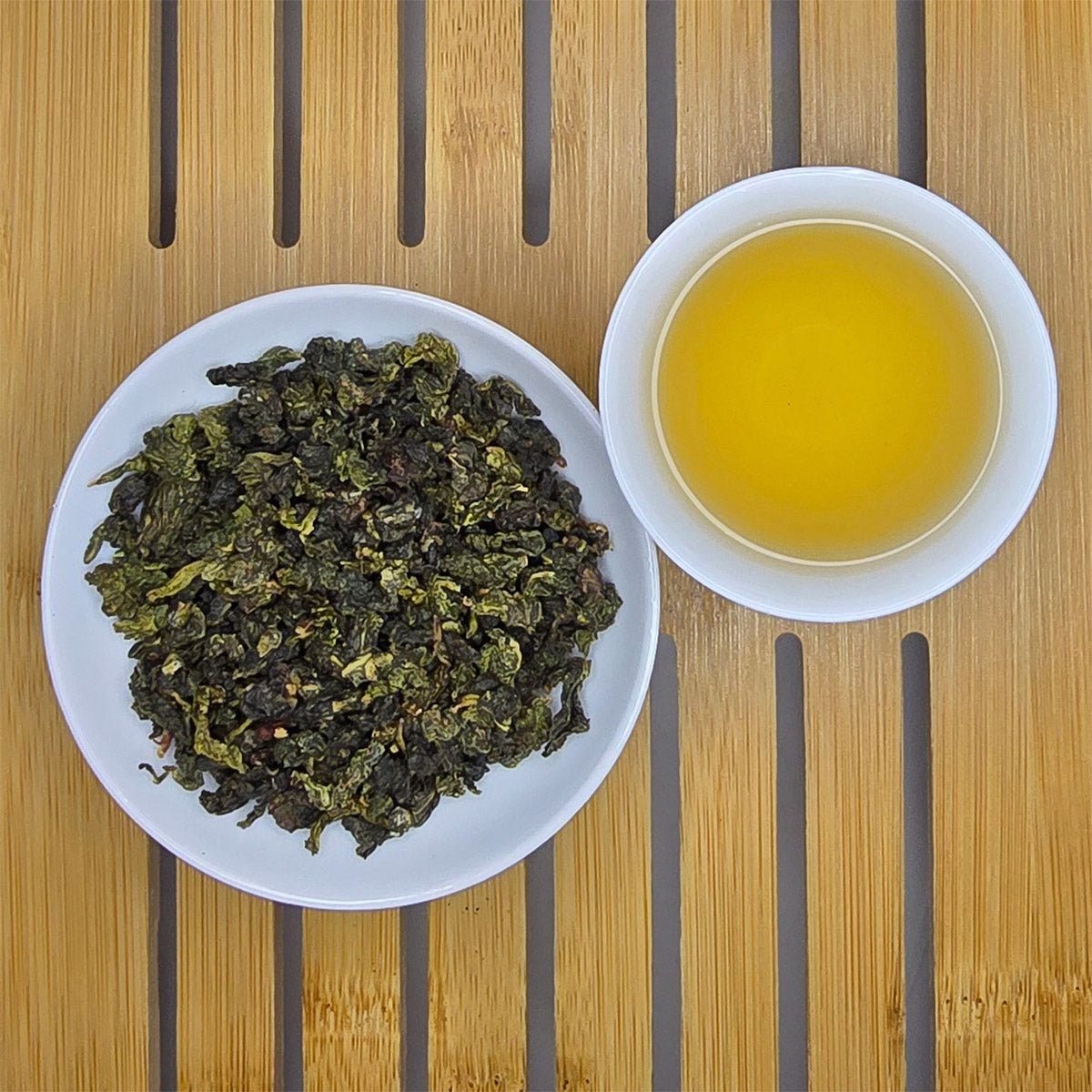
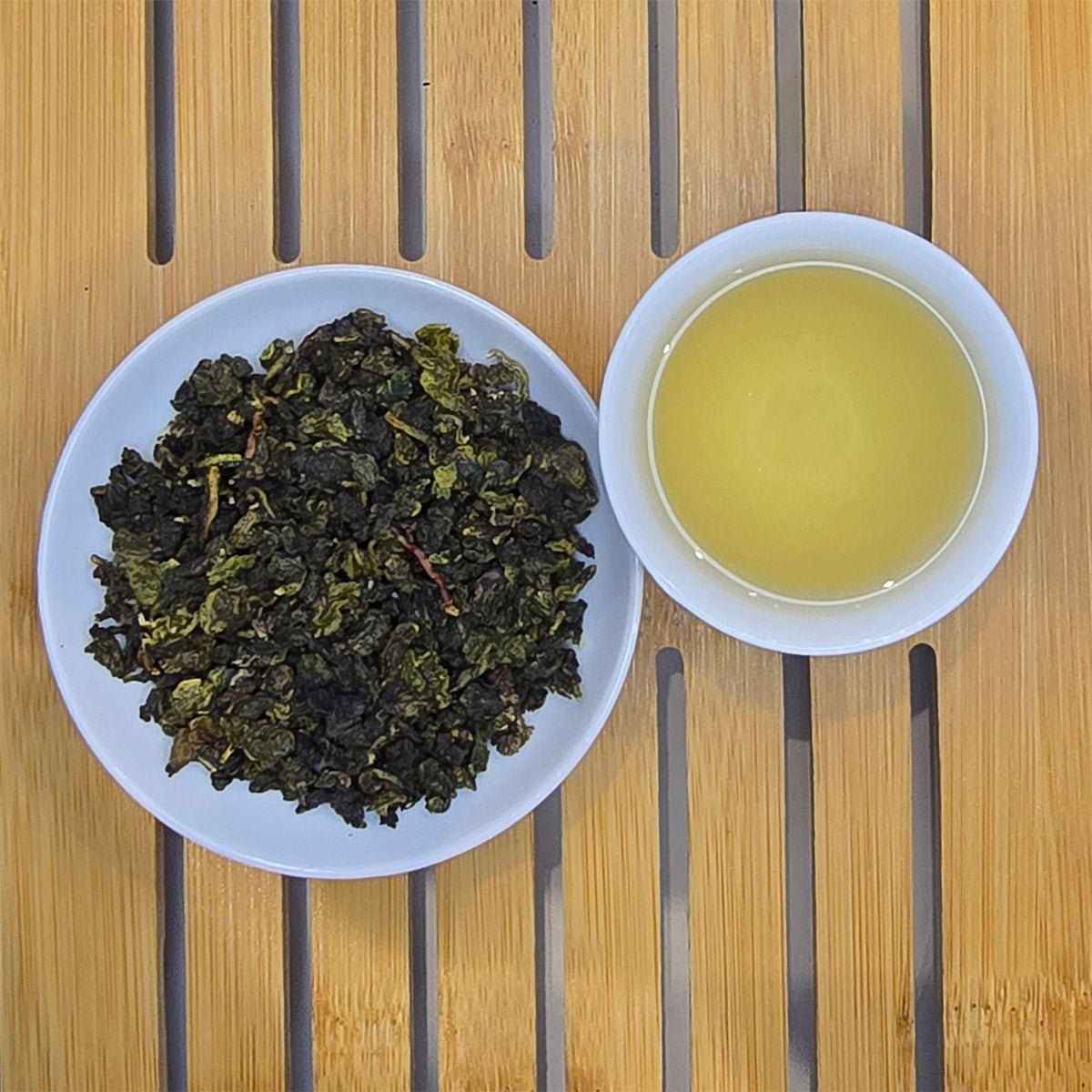
Our Grade A Tie Guan Yin Oolong Tea comes from Anxi County in Fujian Province, China, a region renowned for producing some of the country's most fragrant oolongs. Also known as Iron Goddess of Mercy, Tie Guan Yin is appreciated for its distinctive orchid aroma, gentle sweetness and smooth, silky texture. This October-harvested tea produces a pale golden-green infusion with a fresh floral character and a long, elegant finish.
Tie Guan Yin is a partially oxidised tea, combining the fragrant freshness associated with green tea and the rounded body of oolong. Its flavour is delicate but expressive, with notes of orchid and garden flowers supported by a soft, lightly creamy mouthfeel. The floral fragrance becomes especially noticeable when the leaves are brewed in a gaiwan, where short infusions allow the aroma to develop gradually.
Autumn is an important harvest season in Anxi, and Tie Guan Yin picked in October is particularly associated with a pronounced fragrance. Our Grade A selection offers a balanced cup that can be enjoyed in several infusions, each revealing a slightly different combination of floral sweetness and refreshing depth.
Origin: Anxi County, Quanzhou, Fujian Province, China
Tea Type: Partially Oxidised Oolong Tea
Also Known As: Tieguanyin, Tie Kuan Yin, Iron Goddess of Mercy
Harvest Time: October
Grade: A
Processing Style: Traditional Tie Guan Yin Technique
Form: Loose Leaf Tea
Caffeine: Naturally Contains Caffeine
Available Sizes: 50g, 125g and 250g
Origin and the Anxi Tea Tradition
Anxi County, in southern Fujian Province, has a long history of growing and producing Tie Guan Yin. The area's tea-making tradition is closely associated with careful leaf handling, controlled oxidation and skilled finishing, all of which help shape the tea's characteristic fragrance.
The name Tie Guan Yin is commonly translated as "Iron Goddess of Mercy", referring to Guanyin, a figure associated with compassion in Chinese Buddhist tradition. Several legends describe the discovery of the tea, including a story about a devoted farmer who was rewarded with an unusual tea plant. These stories are part of Tie Guan Yin's cultural heritage and remain closely connected with its identity.
Producing Tie Guan Yin involves several stages. Freshly harvested leaves are withered and gently shaken to encourage controlled oxidation before being heated to stop the process. Further rolling, drying and finishing develop the tea's texture, appearance and aroma.
Tie Guan Yin can be made in different styles, from fresh and strongly floral to deeper, traditionally roasted versions.
Tasting Notes
| Attribute | Description |
|---|---|
| Aroma | Pronounced orchid fragrance with delicate notes of fresh garden flowers |
| Flavour | Smooth, gently sweet and floral, with a refreshing character |
| Liquor Colour | Pale golden-green |
| Mouthfeel | Silky and rounded, with a light creamy impression |
| Finish | Clean and lingering, with delicate floral sweetness |
The most distinctive feature of this Tie Guan Yin is its fragrance. The orchid notes are noticeable as the leaves begin to open, while the liquor itself remains smooth and lightly sweet. Rather than a heavy roasted flavour, the tasting profile centres on freshness, floral intensity and a lasting aftertaste.
What Is Guanyin Yun?
Guanyin Yun, sometimes translated as "Guanyin Rhythm", is a traditional expression used to describe the distinctive sensory character of well-made Tie Guan Yin. It is associated with the relationship between fragrance, flavour, texture and the aftertaste that remains after drinking.
It is not a single flavour that can be identified in isolation. Instead, the term describes the way the tea's floral aroma, rounded mouthfeel and gentle sweetness come together, often becoming more noticeable over successive infusions.
With our Grade A Tie Guan Yin, the lingering orchid fragrance and smooth finish are particularly enjoyable when the tea is brewed slowly in a small teapot or porcelain gaiwan. Taking a moment between infusions allows you to appreciate how the aroma and flavour change.
Brewing Guide
Tea-to-Water Ratio: 6–7g loose leaf tea per 150ml of water
Water Temperature: 90–95°C
Brewing Style: Gongfu, using short successive infusions
Reinfusions: Approximately 6–8, depending on taste
For traditional Gongfu brewing, place the tea leaves in a porcelain gaiwan or small teapot and pour over water heated to 90–95°C. If preferred, give the leaves a brief rinse of 3–5 seconds and discard the water. Begin with a short infusion, then gradually increase the brewing time as the leaves open.
Pour each infusion off completely to prevent the tea from becoming overly strong. The first brew tends to highlight the fresh floral fragrance, while later infusions can develop a fuller body and more rounded sweetness.
| Infusion | Brewing Time | What to Expect |
|---|---|---|
| Optional Rinse | 3–5 seconds | Briefly wets the leaves and releases their initial fragrance |
| First Infusion | 10–15 seconds | Light, fresh and distinctly floral |
| Second to Fourth Infusions | 15–25 seconds | Fuller aroma, smooth sweetness and a more rounded body |
| Later Infusions | 30–45 seconds or longer to taste | A gentler infusion with a lingering floral finish |
Western-Style Brewing: If you prefer a conventional teapot or infuser, start with approximately 2.5–3g of leaves per 250ml of water at 90°C. Steep for 2–3 minutes, then strain completely. The leaves can be brewed again with fresh water, adjusting the time to taste.
Brewing Tip: A porcelain gaiwan works particularly well for Tie Guan Yin because it allows you to appreciate the tea's fragrance without introducing other aromas. Leave enough room for the leaves to expand and avoid excessively long first infusions.
Key Features
- Anxi origin: Traditional Tie Guan Yin oolong from Fujian Province, China.
- Grade A selection: A fragrant, carefully processed oolong with a smooth, balanced character.
- October harvest: Autumn-picked tea with a pronounced floral aroma.
- Distinctive orchid fragrance: Fresh garden-flower notes and gentle natural sweetness.
- Silky texture: Rounded mouthfeel with a clean, refreshing finish.
- Multiple infusions: Particularly suited to Gongfu brewing, allowing the flavour to develop gradually.
- Flexible preparation: Suitable for a gaiwan, small teapot or conventional infuser.
- Three pack sizes: Available in 50g, 125g and 250g.
Ingredients
Tie Guan Yin oolong tea leaves (Camellia sinensis).
Storage Recommendations
Store Tie Guan Yin Oolong Tea in an airtight container in a cool, dry place, away from direct sunlight, moisture, heat and strong odours. Protecting the leaves from air and humidity helps preserve their delicate floral fragrance.
For longer-term storage, some lightly oxidised oolongs benefit from refrigeration in properly sealed, moisture-proof packaging. If refrigerating, allow the unopened container to return to room temperature before opening it to avoid condensation on the leaves. For everyday use, a consistently cool, dry cupboard is usually more convenient.
Reseal the packaging carefully after each use and follow the best-before date provided.
Explore More Tie Guan Yin and Oolong Teas
Our Grade A Tie Guan Yin is a lovely introduction to Anxi's floral oolongs. Its orchid fragrance, smooth texture and refreshing finish make it particularly rewarding for anyone who enjoys lighter, aromatic teas.
If you would like to explore a deeper, more roasted expression of Tie Guan Yin, discover our Wild, Rare Tie Guan Yin Oolong Tea, a distinctive charcoal-roasted selection with a richer flavour profile.
You can also browse our Oolong Tea Collection or read more about the different styles and traditions of oolong in our All About Oolong Teas guide.

Discover the Origins of Your Tea
Fujian Province, China
Explore one of China's most celebrated tea-growing regions, home to the legendary Wuyi Mountains, Anxi and Fuding. Discover the landscapes, distinctive growing conditions and centuries-old traditions behind exceptional Chinese oolong, black and white teas, including Da Hong Pao, Tie Guan Yin, Lapsang Souchong and Silver Needle.
Explore Fujian's Tea Heritage →Couldn't load pickup availability


Your payment information is processed securely. We do not store credit card details nor have access to your credit card information.
