









Puer Tea Oranges (Chenpi Xiao Qing Gan)
Hurry up, only 5 items left in stock.
✌🏼 Free Shipping on all orders over £49!
8-Year-Aged Puer Tea Oranges – Chenpi Xiao Qing Gan
Eight years of maturation, rich Yunnan ripe Puer and fragrant green tangerine peel, all in one remarkable little tea orange. Our Puer Tea Oranges, also known as Xiao Qing Gan, combine the deep, mellow flavour of Shu Puer with the naturally bright, zesty character of young green tangerines.
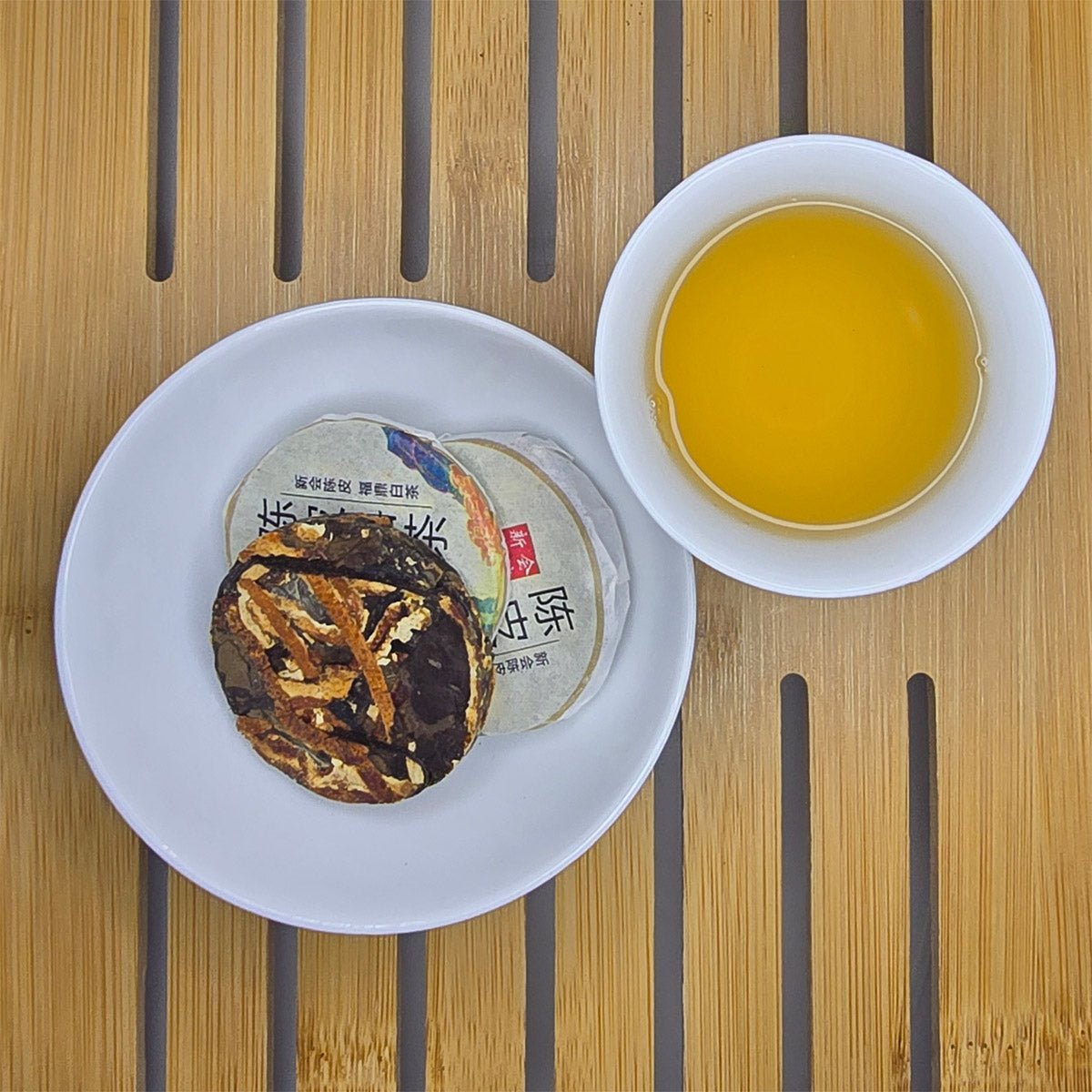
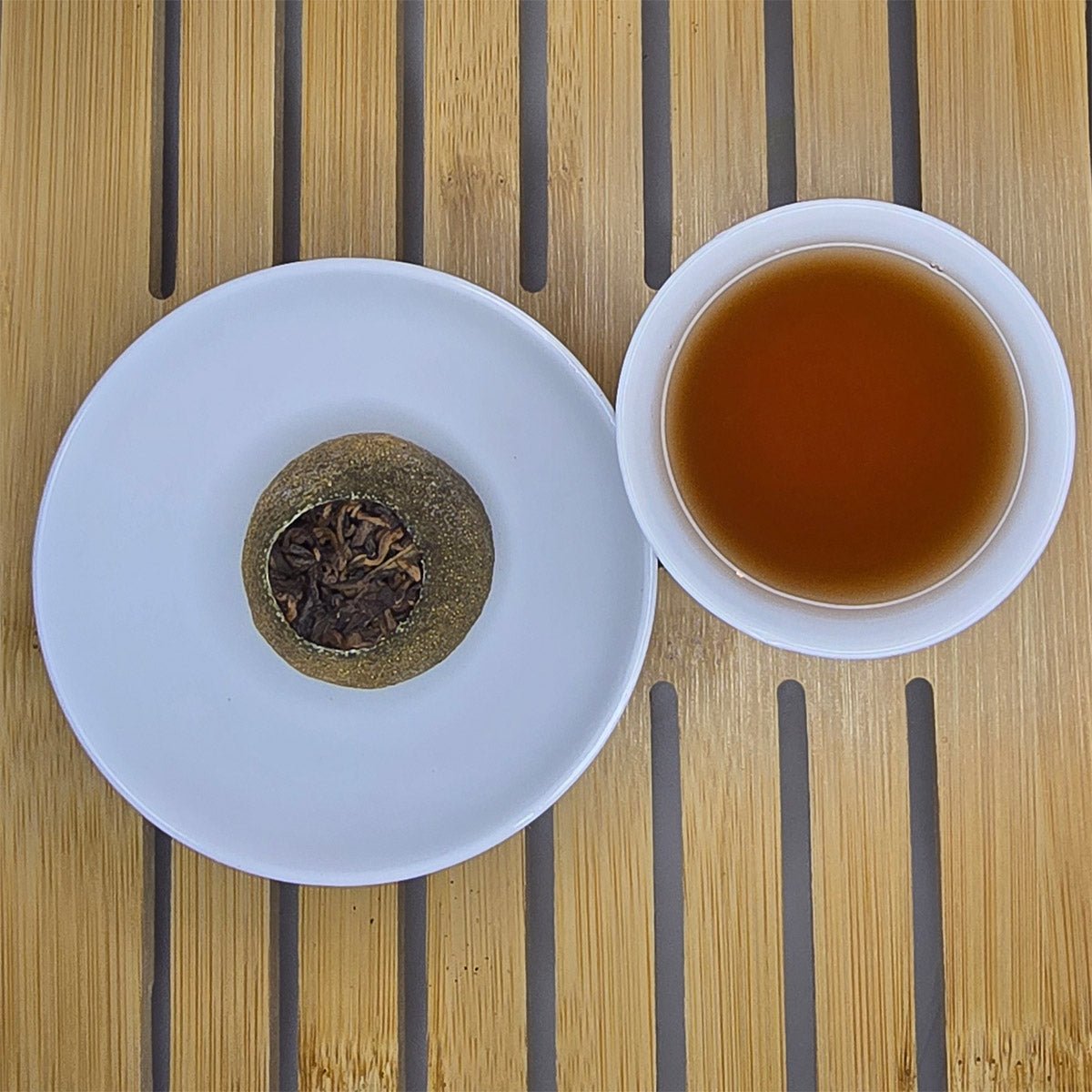
Each small tangerine is carefully hollowed out by hand, filled with aged, ripe Puer tea from Yunnan Province, China, and sun-dried in its whole citrus shell. The filled tea oranges are then left to mature for eight years, allowing the tea and peel to develop a beautifully rounded character together.
The result is an unusual and deeply satisfying tea: smooth, earthy and gently sweet, with fragrant tangerine notes, a little warming spice and a clean citrus lift.
Unlike ordinary orange-flavoured tea, the citrus here is not simply an added flavour. The dried peel forms the container around the tea leaves and is brewed alongside them, giving the infusion its distinctive fragrance.
These miniature tea oranges are as enjoyable to prepare as they are to drink. Brew one whole for a generous pot, or break it apart and use a little of the peel and tea together for a smaller serving.
Product: Puer Tea Oranges (Chenpi Xiao Qing Gan)
Tea Origin: Yunnan Province, China
Tea Type: Shu (Ripe) Puer
Citrus: Whole Young Green Tangerine Peel
Preparation: Hand-Hollowed, Filled with Tea and Sun-Dried
Maturation: Eight Years, According to the Product Specification
Format: Mini Whole Citrus-Wrapped Tea
Flavour: Earthy, Zesty, Mellow and Gently Sweet
Caffeine: Naturally Contains Caffeine
Pack Options: 10, 20 or 30 Tea Oranges
What Is Xiao Qing Gan Tea?
Xiao Qing Gan (小青柑) is a traditional-style Chinese tea made by filling a small, young green tangerine with Puer tea. The fruit is hollowed out, the tea leaves are placed inside, and the whole piece is dried to create a compact, citrus-wrapped tea.
The name translates approximately as "small green tangerine". It refers to the citrus used to make the tea, rather than a particular variety of tea leaf.
The filling is usually Shu Puer, also called ripe Puer, which is known for its dark liquor, smooth mouthfeel and earthy, mellow flavour. When paired with fragrant green tangerine peel, it produces a distinctive balance between deep tea notes and lively citrus.
Because the peel is part of the finished tea, you can adjust the balance of flavours when brewing. Using more peel tends to emphasise the aromatic citrus character, while using a larger proportion of the tea filling brings out the earthy richness of the Puer.
Xiao Qing Gan is particularly appealing to tea drinkers who enjoy traditional Chinese tea but want something a little different from a conventional loose-leaf infusion.
Eight Years of Maturation – What Makes These Tea Oranges Special?
Our Puer Tea Oranges are described as having matured for eight years after the ripe Puer was packed inside the green tangerine shells.
That extended resting period is one of the distinguishing features of this selection. The tea and dried citrus peel are stored together, allowing their aromas and flavours to become more integrated over time.
Ripe Puer already has a naturally rounded, earthy character developed through its controlled fermentation process. When paired with dried tangerine peel, its deeper notes are complemented by bright citrus fragrance and a gentle, slightly spicy sweetness.
The eight-year maturation gives these tea oranges a different identity from newly prepared Xiao Qing Gan. Rather than offering only a sharp citrus impression, they are intended to provide a smoother, more balanced meeting of fruit and tea.
As with other aged teas, the final character depends on the original ingredients, preparation and storage conditions. Here, the pleasure lies in the harmony between the mellow Puer and the fragrant peel.
Yunnan Ripe Puer Meets Fragrant Tangerine Peel
Yunnan Province in south-west China is the traditional home of Puer tea. The region is particularly well known for its large-leaf tea plants and its long-established tea-making culture.
Shu Puer is made through a controlled post-fermentation process that gives the tea its deep colour and smooth, earthy flavour. It is often associated with woody, mellow notes and a gentle natural sweetness.
In Xiao Qing Gan, this dark, rounded tea is combined with the aromatic peel of a young green tangerine. The citrus shell contributes fragrant oils and a lively zestiness that contrasts beautifully with the richness of the tea.
Our tea oranges are prepared by hollowing out the fruit, filling the shell with aged ripe Puer and sun-drying the complete piece. This creates a compact tea that is easy to store, portion and brew.
Once hot water reaches the leaves and peel, the two ingredients release their flavours together. The resulting infusion has the depth of ripe Puer with a refreshing citrus fragrance that makes it particularly distinctive.
Chen Pi and Xiao Qing Gan – What's the Difference?
You may see this style of tea described as Chen Pi Puer, Xiao Qing Gan or tangerine Puer tea. The terms are closely related, but they are not exactly interchangeable.
Xiao Qing Gan refers specifically to the small, young green citrus fruit that is hollowed out and filled with tea. The whole-fruit presentation is one of its most recognisable characteristics.
Chen Pi generally means aged citrus peel. It is commonly used in Chinese tea and food traditions, and its aroma changes as it dries and matures.
Our product combines these ideas: a whole Xiao Qing Gan shell filled with ripe Puer and described as having matured for eight years.
For the drinker, the most important difference is the experience in the cup. The citrus peel contributes a fragrant, zesty character, while the ripe Puer provides body, smoothness and depth.
The result is not a sweet orange infusion or a fruit tea. It is a naturally citrus-scented, caffeinated Chinese tea made from real tangerine peel and fermented tea leaves.
Tasting Notes
| Attribute | Description |
|---|---|
| Aroma | Fragrant dried tangerine peel with mellow, earthy Puer notes |
| Flavour | Deep, smooth ripe Puer balanced by lively citrus zest |
| Sweetness | Gentle natural sweetness, with a hint of warming spice |
| Mouthfeel | Rounded, smooth and mellow |
| Liquor | Rich reddish-brown, varying with brewing strength |
| Finish | Soft earthy sweetness followed by lingering citrus fragrance |
The first impression is a bright, fragrant tangerine aroma. As you sip, the deeper earthy character of the ripe Puer becomes apparent, creating a pleasing contrast between freshness and warmth.
The finish is smooth and gently sweet, with a little spice-like complexity from the dried citrus peel.
For those who usually find ripe Puer quite earthy, Xiao Qing Gan offers an interesting alternative. The tangerine peel lifts the flavour without hiding the tea's natural character.
How to Brew Puer Tea Oranges
There are two enjoyable ways to prepare Xiao Qing Gan: brew the entire tea orange or break it into smaller pieces.
Whole-orange brewing is ideal when making a generous pot to share. It allows the leaves and peel to release their flavours gradually.
Broken-orange brewing is useful when making a smaller serving or when you want to adjust the balance between tea and citrus. Gently break the dried shell and combine a portion of the peel with some of the Puer leaves inside.
Water Temperature: 95–100°C
Preparation: Whole Tea Orange or a Portion of Tea and Peel
Western-Style Steeping: Approximately 3–5 Minutes
Reinfusions: Often 5–7 or More, depending on method and taste
| Brewing Method | Suggested Preparation | Result |
|---|---|---|
| Whole Orange – Teapot | Place one whole tea orange in a suitably sized teapot, cover with 95–100°C water and steep for 3–5 minutes | A generous infusion with gradually developing citrus and Puer flavour |
| Broken Orange – Mug | Use a portion of the tea filling and dried peel in 250ml hot water for 3–5 minutes | Easy to adjust the strength and citrus balance |
| Gongfu – Whole Orange | Use a small teapot large enough for the fruit; begin with short infusions and increase the time as needed | Several evolving infusions, with changing citrus and earthy notes |
| Gongfu – Broken Pieces | Use a measured portion of Puer and peel in a gaiwan; start with brief infusions at 95–100°C | More control over extraction and the tea-to-citrus ratio |
| Later Infusions | Add fresh hot water and gradually increase steeping time | Softer, mellow tea with lingering dried-citrus fragrance |
Brewing tip: A whole tea orange may be too much for a small mug, depending on its weight. If you are brewing for one person, break off a portion of the dried peel and combine it with some of the tea filling. Keep the remaining tea dry for another session.
If you prefer a more pronounced citrus flavour, include a little more peel. For a deeper, earthier cup, use a greater proportion of the Puer leaves.
There is no need to add orange slices or flavouring. The dried tangerine shell provides the citrus character naturally.
Why Choose Puer Tea Oranges?
- Eight-year maturation: The filled tea oranges are described as having aged together for eight years.
- Traditional Xiao Qing Gan format: Small green tangerines filled with ripe Puer tea.
- Yunnan tea origin: Made with Shu Puer from the traditional home of Puer tea.
- Real citrus peel: Natural tangerine fragrance rather than a conventional orange-flavoured tea blend.
- Hand-filled and sun-dried: A distinctive whole-fruit presentation.
- Rich, balanced flavour: Deep earthy Puer with bright citrus zest and gentle sweetness.
- Flexible brewing: Use a whole orange or break it into smaller portions.
- Multiple infusions: Particularly enjoyable for longer tea sessions.
- Distinctive gift: An unusual tea for anyone interested in Chinese tea traditions.
- Choice of pack sizes: Available in 10, 20 or 30 tea oranges.
Ingredients
Shu (ripe) Puer tea leaves (Camellia sinensis) and dried green tangerine peel.
Storage Recommendations
Store your Puer Tea Oranges in a clean, dry, well-sealed container away from direct sunlight, moisture, excessive heat and strong odours.
The dried citrus peel can absorb moisture and surrounding aromas, so avoid storing the tea near spices, coffee or strongly scented products. Keep the oranges dry between brewing sessions and follow the best-before date supplied.
Although Puer tea and aged citrus peel can change over time, further ageing is not a guarantee of improved flavour. Appropriate storage is important for preserving the quality of the finished tea.
Explore More Puer and Tangerine Teas
Our eight-year-aged Puer Tea Oranges bring together two distinctive Chinese tea traditions: mellow Yunnan ripe Puer and fragrant dried tangerine peel.
They are a wonderful choice for anyone who enjoys earthy tea with a bright citrus lift, and their miniature whole-fruit format makes them a particularly memorable gift for a tea enthusiast.
For another citrus-inspired tea, discover our Aged Puer & Chen Pi Cha Gao, a concentrated tea extract that dissolves directly in hot water.
If you would like to compare the citrus character with a different tea style, try our 8-Year-Old Three Treasures Chen Pi White Tea, or explore the deeper flavour of traditional ripe Puer in our 2015 Premium Aged Palace Shu Puer Tea.
Browse our full Puer Tea Collection and Premium & Rare Tea Collection for more distinctive Chinese teas.
Explore the History of Tea
The Timeless Tale of Citrus-Infused Teas
From ancient Chinese tea traditions to Britain's beloved Earl Grey, discover the fascinating history of citrus-infused teas. Explore the aromatic world of aged Chenpi, fragrant tangerine peel and bergamot, and how these ingredients have shaped tea culture across centuries.
Discover the Story →Couldn't load pickup availability


Your payment information is processed securely. We do not store credit card details nor have access to your credit card information.
