








Chinese Osmanthus Oolong Tea
Available in stock (93)
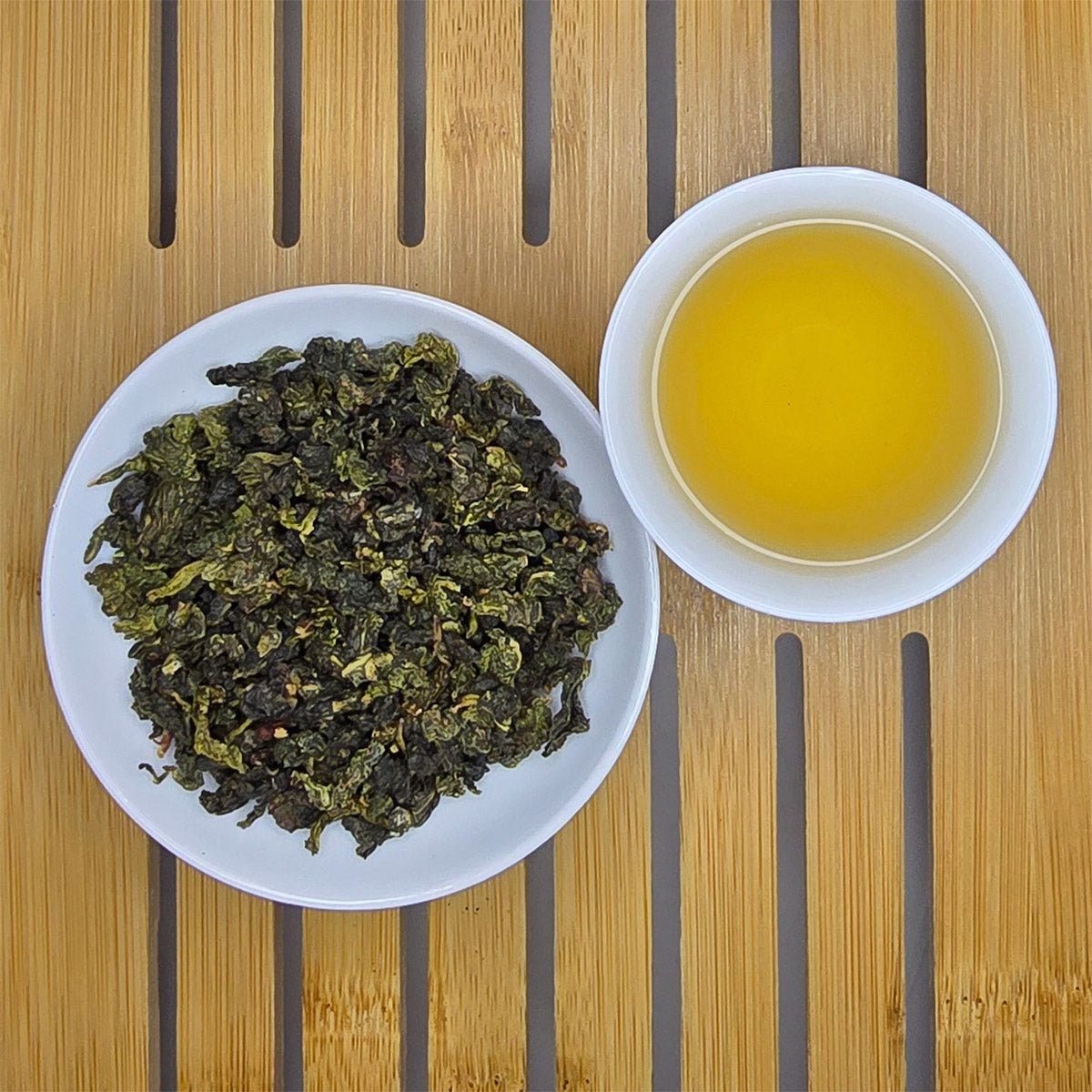
Chinese Osmanthus Oolong Tea – Fragrant Fujian Oolong Scented with Flowers
Our Chinese Osmanthus Oolong Tea brings together smooth oolong leaves from Fujian Province and the delicate fragrance of osmanthus blossoms. Traditionally scented during the autumn flowering season, this aromatic tea has a naturally fruity, floral character, with notes reminiscent of ripe apricot, peach and honey.
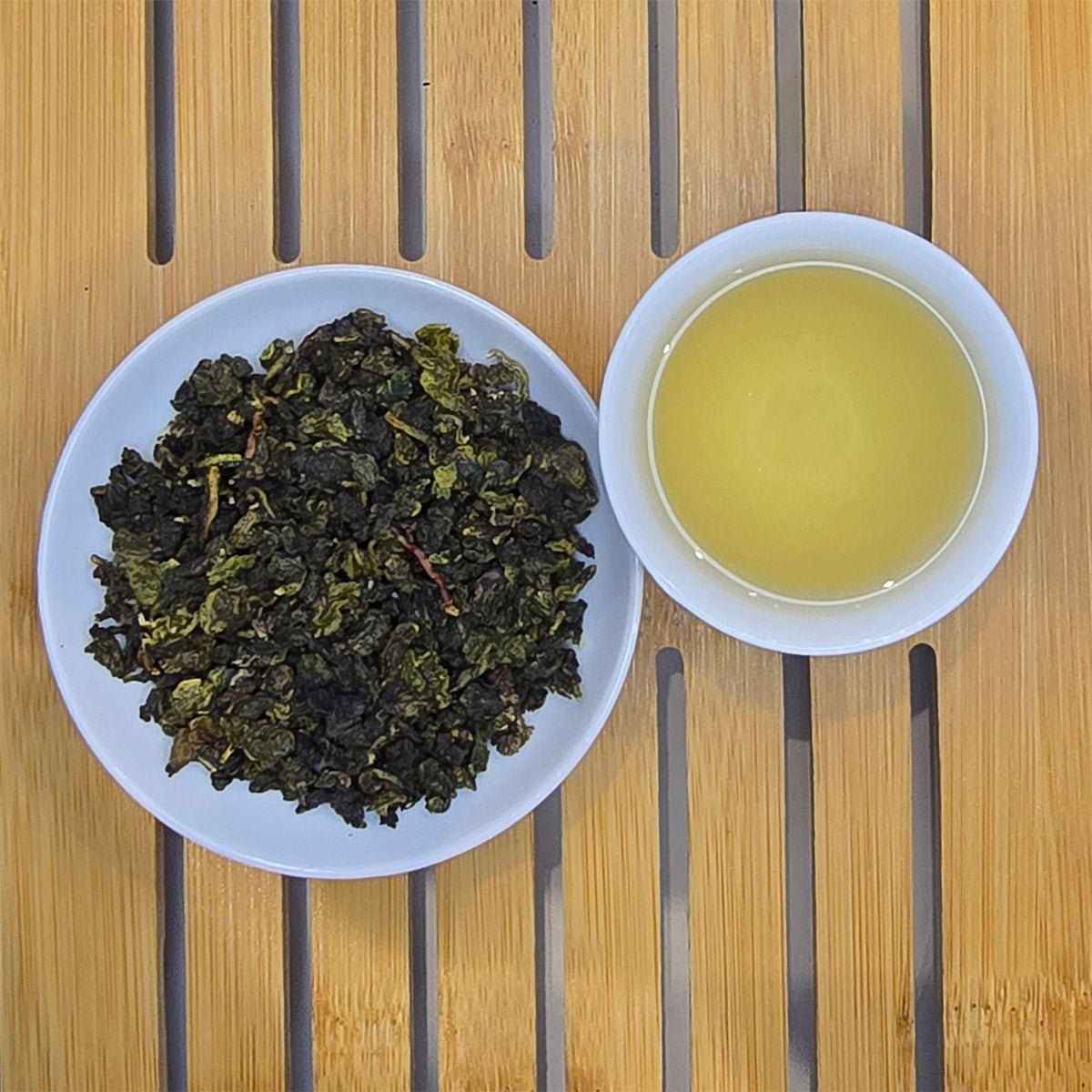
Osmanthus has a distinctive scent: soft and sweet, with a gentle fruitiness that pairs particularly well with oolong. The tea itself adds a rounded, slightly creamy texture, giving the finished infusion more depth than a simple flower tea. The result is a clear golden-yellow cup with a fragrant aroma and a clean, lingering finish.
Enjoy it hot to appreciate the rising floral fragrance, or brew and chill it for a refreshing iced tea. Its delicate character makes it especially pleasant without milk or added sugar.
Origin: Fujian Province, China
Tea Type: Osmanthus-Scented Oolong Tea
Processing: Partially Oxidised Oolong, Traditionally Flower-Scented
Scenting Season: Autumn Osmanthus Flowering Period
Flavour Profile: Floral, Apricot, Peach and Honeyed Notes
Liquor Colour: Golden Yellow
Caffeine: Naturally Contains Caffeine
Available Sizes: 50g, 125g and 250g
What Is Osmanthus Tea?
Osmanthus is a fragrant flowering plant whose small blossoms are valued for their distinctive sweet aroma. The flowers of Osmanthus fragrans are particularly associated with tea scenting in China, where their fragrance is often compared to apricot, ripe peach and honey.
Osmanthus can be enjoyed as a flower infusion on its own, but it also pairs beautifully with traditional Chinese teas. When combined with oolong, the blossom fragrance complements the tea's natural floral character while its smooth body provides a rounded, satisfying cup.
Although this tea has peach-like and apricot-like notes, these are descriptions of its aroma and flavour rather than a claim that either fruit has been added. The distinctive fruitiness comes from the osmanthus scenting process described for this blend.
Traditional Osmanthus Flower Scenting
Our Chinese Osmanthus Oolong is described as being scented using fresh osmanthus blossoms during their autumn flowering season. The flowers are layered with oolong leaves during processing, allowing the tea to take on their delicate fragrance.
Tea leaves readily absorb surrounding aromas, which makes them particularly well suited to traditional flower scenting. By bringing the leaves and blossoms together, the tea maker can introduce floral fragrance without relying solely on added flavouring.
The oolong base is partially oxidised, giving it a smoother, more rounded character than many green teas. Its gentle creaminess provides a natural balance to the sweet, fruity osmanthus aroma.
The precise scenting method can vary between producers, including how long the flowers remain in contact with the leaves and whether they are removed afterwards. What defines this tea's character is the relationship between the fragrant blossoms and the smooth oolong beneath them.
Tasting Notes
| Attribute | Description |
|---|---|
| Aroma | Sweet osmanthus blossom with notes reminiscent of apricot, peach skin and light honey |
| Flavour | Delicately floral and gently fruity, balanced by smooth oolong |
| Liquor Colour | Clear golden yellow |
| Mouthfeel | Silky, soft and slightly creamy |
| Finish | Clean and refreshing, with lingering floral sweetness |
The aroma is the most striking part of this tea. Osmanthus contributes a soft, nectar-like fragrance, while the oolong gives the infusion a smooth texture and gentle depth. The cup feels naturally sweet in character, even without sugar.
How to Brew Chinese Osmanthus Oolong Tea
Osmanthus Oolong is best brewed with water slightly below boiling. This allows the floral fragrance to develop without making the tea unnecessarily strong.
Tea Amount: 4–5g per 200ml of Water
Water Temperature: 90–95°C
First Infusion: 1–2 Minutes
Reinfusions: Approximately 3–5, Depending on Taste
Recommended Teaware: Porcelain or Glass Teapot
Place the tea in a teapot or infuser and pour over water heated to 90–95°C. Allow it to steep for 1–2 minutes, then strain completely. The first infusion should be fragrant and light, with the osmanthus aroma clearly noticeable above the smooth oolong base.
For subsequent infusions, add fresh hot water and adjust the steeping time to taste. The floral fragrance may gradually soften, allowing more of the oolong's natural flavour to emerge.
| Brewing Method | Preparation | Expected Character |
|---|---|---|
| Classic Hot Brew | 4–5g per 200ml at 90–95°C for 1–2 minutes | Fragrant, floral and gently sweet |
| Second Infusion | Add fresh hot water and steep to taste | Softer blossom aroma with more oolong character |
| Gongfu-Style Brewing | Start with 5–6g per 120ml at 90–95°C and short 15–20 second infusions | Concentrated aroma and changing flavours over several brews |
| Hot-Brewed Iced Tea | Brew, strain, cool and refrigerate before serving over ice | Refreshing, fruity-floral tea |
| Cold Brew | Start with 5–6g per 500ml of cold water; refrigerate for 6–8 hours and strain | Light, smooth and delicately fragrant |
Brewing Tip: A glass or porcelain teapot is a lovely choice for this tea. Both allow you to appreciate the floral aroma without introducing flavours from previous brews. Avoid leaving the leaves standing in the water for too long, as this can obscure the more delicate osmanthus notes.
How to Make Osmanthus Oolong Iced Tea
Osmanthus Oolong makes an elegant iced tea, particularly if you enjoy fruity aromas without a heavily sweetened drink. The natural apricot-like fragrance is refreshing when served chilled.
- Measure 5g of Chinese Osmanthus Oolong Tea into a teapot or infuser.
- Add 200ml of water heated to 90–95°C.
- Steep for approximately 2 minutes, then strain completely.
- Allow the tea to cool before refrigerating until chilled.
- Serve over ice, with a slice of fresh peach or apricot if desired.
For a stronger iced tea, increase the quantity of leaves slightly so the flavour remains noticeable as the ice melts. The blend is pleasantly fragrant without added sugar, although a small amount of honey can be stirred into the warm infusion if you prefer.
Osmanthus Oolong vs Osmanthus Black Tea
Osmanthus blossoms can be paired with different types of tea, and the choice of base leaf makes a noticeable difference to the finished cup.
| Feature | Osmanthus Oolong Tea | Osmanthus Black Tea |
|---|---|---|
| Tea Base | Partially oxidised oolong | Fully oxidised black tea |
| Typical Flavour | Floral, smooth, creamy and gently fruity | Fuller-bodied, warmer and more malty |
| Osmanthus Character | Delicate apricot-like fragrance | Sweet floral notes balanced by richer tea flavours |
| Best For | Light, fragrant hot tea and refreshing iced tea | A deeper, more robust floral tea |
If you enjoy osmanthus but prefer the fuller flavour of black tea, explore our Chinese Osmanthus Flower Black Tea Bars. They offer a different interpretation of the same floral pairing in convenient pressed portions.
Key Features
- Fujian origin: Chinese oolong tea from a traditional tea-producing province.
- Real-flower scenting: Described as scented with fresh osmanthus blossoms during autumn.
- Distinctive fragrance: Sweet floral notes reminiscent of apricot, peach and honey.
- Smooth oolong base: Rounded, slightly creamy character beneath the blossoms.
- Golden-yellow infusion: Clear, bright liquor with a delicate finish.
- Enjoy hot or iced: Particularly refreshing when chilled.
- Multiple infusions: Suitable for repeated brewing.
- Three pack sizes: Available in 50g, 125g and 250g.
Ingredients
Osmanthus-scented oolong tea leaves (Camellia sinensis).
Storage Recommendations
Store Chinese Osmanthus Oolong Tea in an airtight container in a cool, dry place, away from direct sunlight, moisture and heat. The tea's delicate floral fragrance is best preserved by keeping the leaves sealed between uses.
Avoid storing it near coffee, spices or other strongly scented products. Reseal the packaging carefully after each use and follow the best-before date provided.
Explore More Floral Teas
Chinese Osmanthus Oolong is a lovely choice if you enjoy fragrant tea with a gentle, naturally fruity character. Its soft apricot-like aroma and smooth oolong base make it especially pleasant for an afternoon cup or a refreshing iced tea.
For a richer osmanthus pairing, try our Chinese Osmanthus Flower Black Tea Bars. If you prefer to explore floral oolongs without flower scenting, our Grade A Tie Guan Yin Oolong Tea is known for its orchid-like fragrance.
You can also browse our Oolong Tea Collection to discover more Chinese and Taiwanese oolongs.

Discover the Origins of Your Tea
Fujian Province, China
Explore one of China's most celebrated tea-growing regions, home to the legendary Wuyi Mountains, Anxi and Fuding. Discover the landscapes, distinctive growing conditions and centuries-old traditions behind exceptional Chinese oolong, black and white teas, including Da Hong Pao, Tie Guan Yin, Lapsang Souchong and Silver Needle.
Explore Fujian's Tea Heritage →Couldn't load pickup availability


Your payment information is processed securely. We do not store credit card details nor have access to your credit card information.
