










Chinese Milk Oolong Tea
Available in stock (190)
✌🏼 Free Shipping on all orders over £49!
Chinese Milk Oolong Tea – Smooth and Creamy Jin Xuan Oolong
Chinese Milk Oolong Tea is a lightly oxidised loose-leaf oolong from Fujian Province, China, made using the Jin Xuan cultivar, also known as Golden Daylily. Prized for its smooth texture and distinctive creamy character, this tea produces a delicate golden infusion with notes of sweet cream, light butter and fresh flowers. Its mellow flavour makes it particularly appealing to those who enjoy aromatic teas without the stronger, roasted character of darker oolongs.
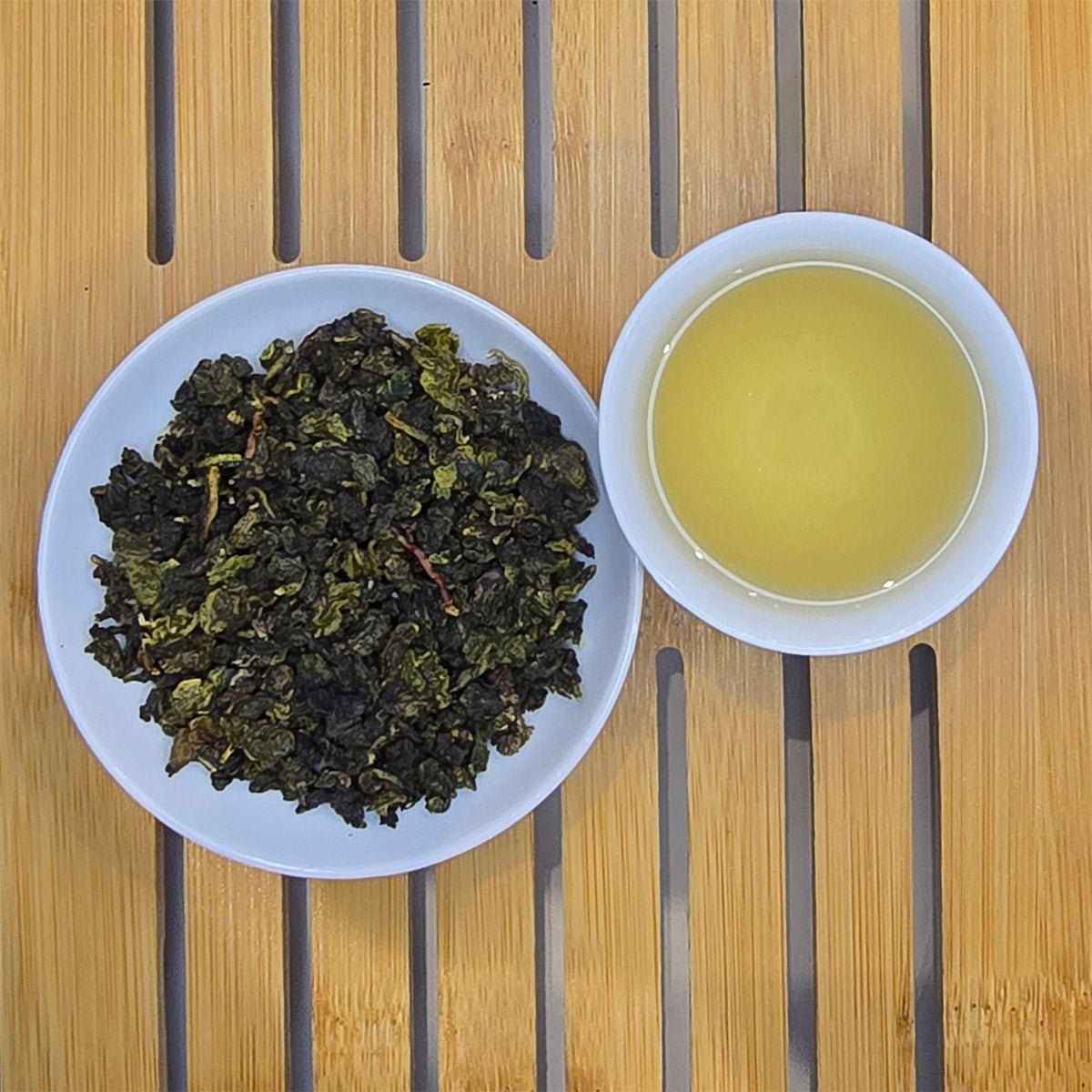
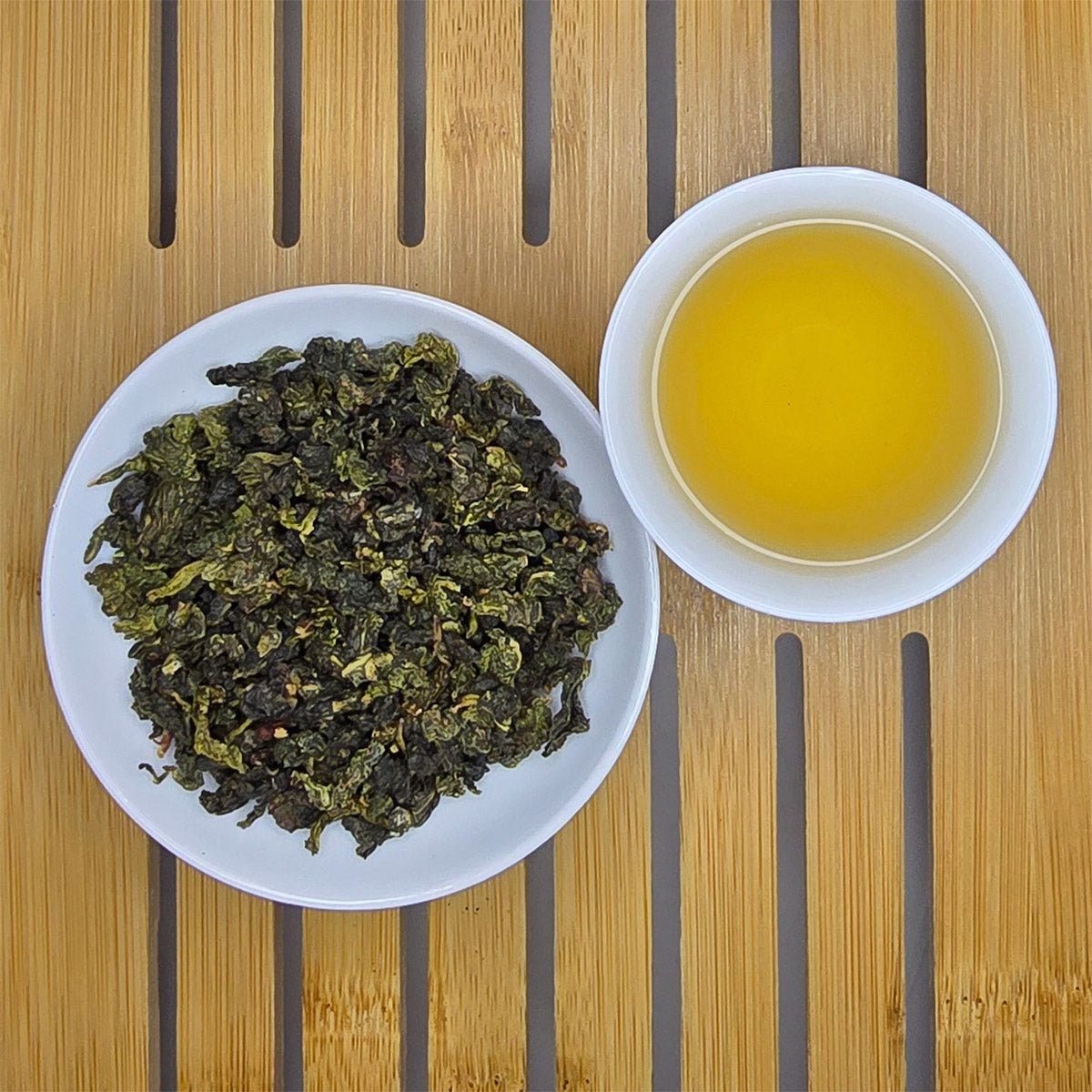
Jin Xuan was originally developed in Taiwan during the 1980s and has since become associated with some of the best-known milk oolong teas. Our Chinese version is grown in Fujian, where the leaves are lightly oxidised and carefully rolled. As they steep, the tightly curled leaves gradually unfurl, releasing a soft floral fragrance and a rounded, buttery flavour.
Despite its name, milk oolong does not contain milk. The term describes the creamy aroma and silky mouthfeel associated with this style of tea. Our Chinese Milk Oolong has a naturally creamy character, with gentle notes of orchid, gardenia and sweet green corn. It is best enjoyed without milk, allowing the tea's subtle flavours to develop over successive infusions.
Origin: Fujian Province, China
Tea Type: Lightly Oxidised Oolong Tea
Cultivar: Jin Xuan (Golden Daylily)
Also Known As: Milk Oolong, Nai Xiang Oolong
Form: Rolled Loose Leaf Tea
Caffeine: Naturally Contains Caffeine
Available Sizes: 50g, 125g and 250g
Origin and Traditional Processing
Fujian Province has a long history of producing oolong tea, with different growing regions and processing methods creating a remarkable variety of flavours. Chinese Milk Oolong belongs to the lighter end of this spectrum, combining the freshness of green tea with the fuller texture and aromatic complexity associated with oolong.
The Jin Xuan cultivar originated in Taiwan, where it was developed for its distinctive flavour and growing characteristics. It is particularly associated with a smooth, rounded mouthfeel and delicate floral sweetness. When grown and processed in China, it can produce a similarly gentle character while reflecting the conditions and craftsmanship of its growing region.
After harvesting, the leaves undergo controlled withering and partial oxidation before being heated and rolled. These stages help develop the tea's fragrance and flavour while retaining much of its fresh, floral character.
The finished leaves are tightly rolled, allowing them to open gradually during brewing. This makes Chinese Milk Oolong especially suitable for multiple infusions, with the flavour changing subtly from one steep to the next.
Tasting Notes
| Attribute | Description |
|---|---|
| Aroma | Sweet cream, light butter and delicate floral notes of orchid and gardenia |
| Flavour | Smooth and mellow, with creamy sweetness, soft florals and hints of vanilla and almond |
| Liquor Colour | Pale golden yellow with a light greenish tint |
| Mouthfeel | Silky, rounded and gently buttery, without heaviness |
| Finish | Clean and lingering, with soft floral sweetness and a subtle creamy aftertaste |
One of the pleasures of Chinese Milk Oolong is how its flavour develops as the leaves open. Early infusions tend to emphasise the creamy, buttery character, while later brews can reveal lighter floral and vegetal notes. A gentle sweetness remains throughout, making it an enjoyable tea to drink without sugar or milk.
What Makes Milk Oolong Different?
Milk Oolong is known for its unusually creamy aroma and smooth mouthfeel. Unlike conventional black tea, it undergoes only partial oxidation, helping to preserve the fresh, floral qualities of the leaves while developing a fuller, softer flavour.
Not all milk oolongs are produced in the same way. Some are made from naturally creamy tea cultivars, while others have added flavourings to create a more pronounced milk or butter aroma. The Jin Xuan cultivar is particularly well known for its naturally rounded character.
Chinese Milk Oolong offers a different drinking experience from heavily roasted oolongs. Rather than strong toasted or woody notes, the emphasis is on delicate florals, gentle sweetness and a smooth texture. It is an excellent introduction to lightly oxidised oolong tea and equally enjoyable for experienced tea drinkers.
Brewing Guide
Tea-to-Water Ratio: 2–3g loose leaf tea per 200ml of water
Water Temperature: 85–90°C
Steeping Time: 2–3 minutes
Reinfusions: Approximately 4–6, depending on brewing method
Place the rolled oolong leaves in a teapot or infuser and pour over water heated to 85–90°C. Allow the tea to steep for 2–3 minutes, giving the leaves time to begin unfurling and releasing their creamy, floral aroma. Strain and enjoy without milk or sugar.
For a lighter infusion, shorten the brewing time slightly. If you prefer a fuller flavour, increase the quantity of leaves rather than using boiling water, which can bring out unwanted bitterness.
Chinese Milk Oolong is particularly well suited to repeated brewing. As the leaves gradually open, each infusion reveals different aspects of the tea's flavour.
| Brewing Method | Recommended Preparation |
|---|---|
| Western-Style Brewing | Use 2–3g per 200ml at 85–90°C for 2–3 minutes |
| Gongfu Brewing | Use approximately 5g per 100–150ml at 85–90°C, beginning with 20–30 second infusions |
| Second Infusion | Reinfuse the leaves with fresh hot water, adjusting the time to taste |
| Multiple Infusions | Continue brewing while the leaves retain their flavour, gradually extending the steeping time |
| Cold Brew Milk Oolong | Steep approximately 5g per 500ml of cold water in the refrigerator for 6–8 hours, then strain |
Gongfu brewing tip: Use a small teapot or gaiwan to give the leaves plenty of room to expand. Begin with short infusions and increase the brewing time gradually. This approach allows you to appreciate the changing balance of creamy, floral and sweet notes.
Key Features
- Chinese Milk Oolong Tea grown in Fujian Province, China
- Made from the Jin Xuan (Golden Daylily) tea cultivar
- Lightly oxidised loose leaf oolong with a smooth, creamy character
- Delicate notes of sweet cream, butter, orchid and gardenia
- Silky mouthfeel with a clean, gently sweet finish
- Tightly rolled leaves suitable for multiple infusions
- Suitable for Western-style and traditional Gongfu brewing
- Available in 50g, 125g and 250g sizes
Chinese Milk Oolong is particularly enjoyable when brewed in a glass teapot or gaiwan, where the rolled leaves can be seen gradually opening. Its naturally mellow character makes it a pleasant choice for an afternoon tea session or whenever you have time to enjoy several infusions.
Ingredients
Jin Xuan Oolong Tea leaves (Camellia sinensis). This product is naturally creamy, without added milk flavouring.
Storage Recommendations
Store Chinese Milk Oolong Tea in an airtight container in a cool, dry place, away from direct sunlight, heat and moisture. Lightly oxidised oolong teas have delicate aromatic qualities, so protecting the leaves from air and strong surrounding odours helps preserve their flavour.
Reseal the packaging carefully after each use and follow the best-before date provided. Avoid storing the tea near coffee, spices or other strongly scented ingredients, as the leaves can absorb surrounding aromas.
Why Choose Our Chinese Milk Oolong?
Our Chinese Milk Oolong offers a distinctive combination of creamy texture, gentle floral sweetness and the fresh character of a lightly oxidised tea. Its rolled leaves can be brewed several times, making it particularly rewarding for those who enjoy exploring how tea changes from one infusion to the next.
For tea drinkers who prefer a softer, less roasted oolong, Jin Xuan is an appealing choice. It is also a useful introduction to the wider world of Chinese oolong teas, where differences in cultivar, growing conditions and processing create an extraordinary range of flavours.
To learn more about oolong tea, its history and how it is produced, read our guide: All About Oolong Teas.

Discover the Origins of Your Tea
Fujian Province, China
Explore one of China's most celebrated tea-growing regions, home to the legendary Wuyi Mountains, Anxi and Fuding. Discover the landscapes, distinctive growing conditions and centuries-old traditions behind exceptional Chinese oolong, black and white teas, including Da Hong Pao, Tie Guan Yin, Lapsang Souchong and Silver Needle.
Explore Fujian's Tea Heritage →Couldn't load pickup availability


Your payment information is processed securely. We do not store credit card details nor have access to your credit card information.
