








Loose Leaf Tea vs Tea Bags: What's the Difference?
Most of us started drinking tea from a bag. Drop one into a mug, add hot water, wait a couple of minutes, and it's ready. It's familiar, convenient and, for millions of people across Britain, part of the daily routine.
But if you've ever tried a properly brewed loose-leaf tea, you may have noticed something different. Perhaps the flavour was smoother, the aroma more noticeable, or the taste more interesting than your usual cuppa.
When did tea bags get introduced to the UK?
In 1939, Tetley brought the idea of tea bags to Britain, although the concept had been around for decades. As early as 1901, Roberta Lawson and Mary McLaren filed a patent for a cotton-mesh tea leaf holder, designed to brew a single cup of tea without the mess of loose leaves. Their invention was officially patented in 1903 (US Patent 723287).
A few years later, in 1908, American tea merchant Thomas Sullivan began sending customers loose tea samples in small, hand-sewn silk bags. Some customers discovered they could place the whole bag into hot water rather than emptying the leaves. Seeing the potential, Sullivan began selling tea in bags commercially, helping shape the modern tea bag we know today.
1939: Tetley’s British representative, TI Tetley-Jones, goes to America and brings back the idea of the tea bag.
1940: Tetley begins producing tea bags using its first machines, initially for export.
1953: Following the end of wartime tea rationing, Tetley prepares to introduce tea bags to the UK market.
So, is loose-leaf tea actually better than tea bags? And is it worth making the switch?
The answer depends on what you enjoy about tea. Loose-leaf tea often offers greater variety, more control over brewing or steeping and a chance to appreciate flavours that can be difficult to find in everyday tea bags. But a good-quality tea bag can still produce an excellent cup.
Here's what really separates the two, from the leaves themselves to flavour, convenience and the cost of your daily brew.
Loose Leaf Tea vs Tea Bags: At a Glance
| Feature | Loose-Leaf Tea | Tea Bags |
|---|---|---|
| Leaf quality | Often larger, whole or partly broken leaves | Often smaller broken leaves or fine particles |
| Flavour | Can offer greater complexity and subtlety | Often designed for a consistent, familiar taste |
| Aroma | Frequently more pronounced with high-quality leaves | Varies depending on the tea and packaging |
| Brewing | Requires a strainer, infuser or teapot | Quick and straightforward |
| Convenience | A little more preparation and cleaning | Particularly convenient |
| Cost | Varies depending on the tea and number of infusions | Everyday tea bags are generally inexpensive |
| Reusing leaves | Many teas can be infused more than once | Usually brewed once |
| Choice | Wide range of origins, styles and leaf grades | Wide range, though standard bags offer less variety |
The biggest difference isn't simply that one comes in a bag and the other doesn't. It's the type of tea commonly used, how much room the leaves have to brew and the level of control you have over the finished cup.

What Is Loose Leaf Tea?
Loose-leaf tea is tea sold without being enclosed in individual bags. You measure the leaves yourself and brew them in a teapot, infuser or strainer.
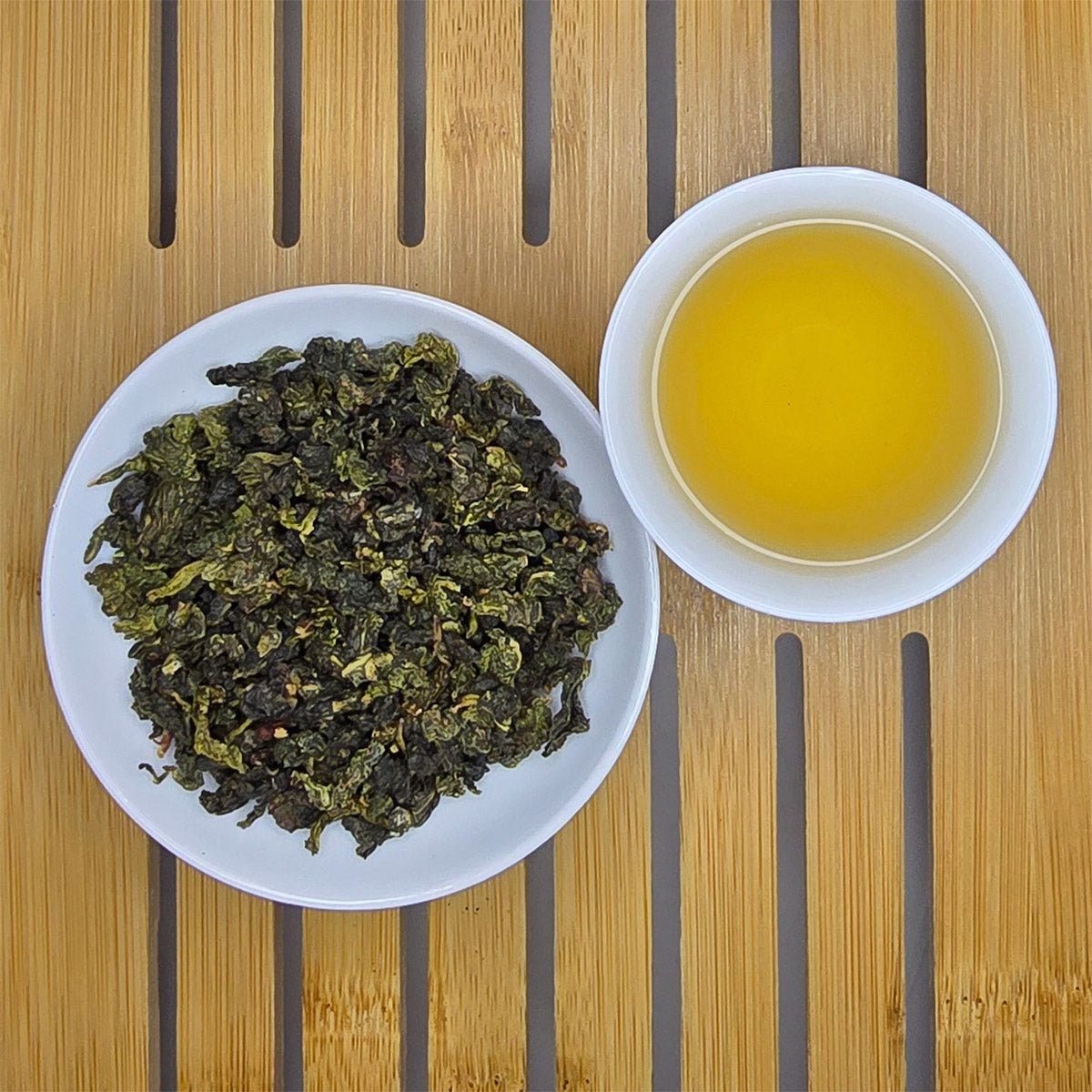
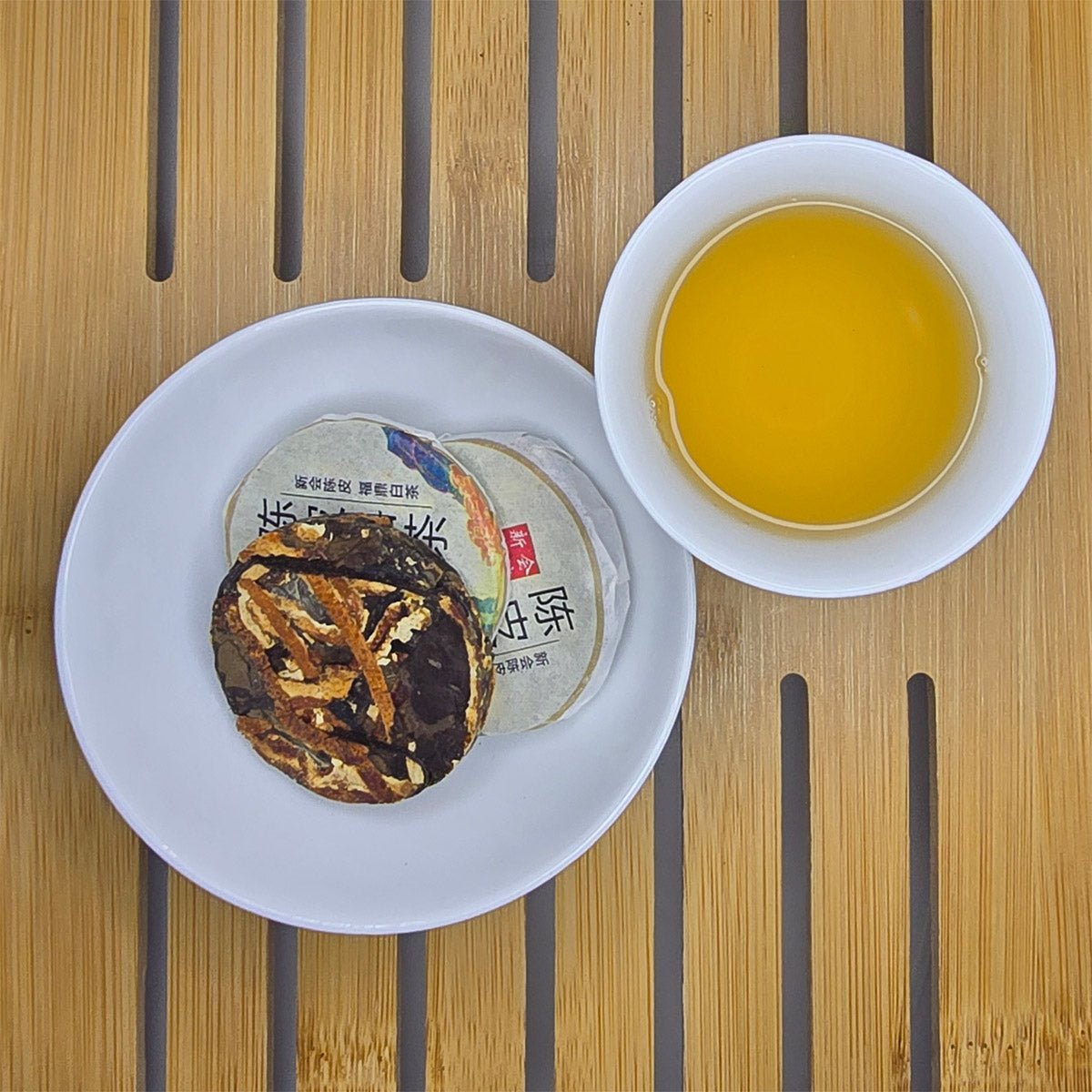
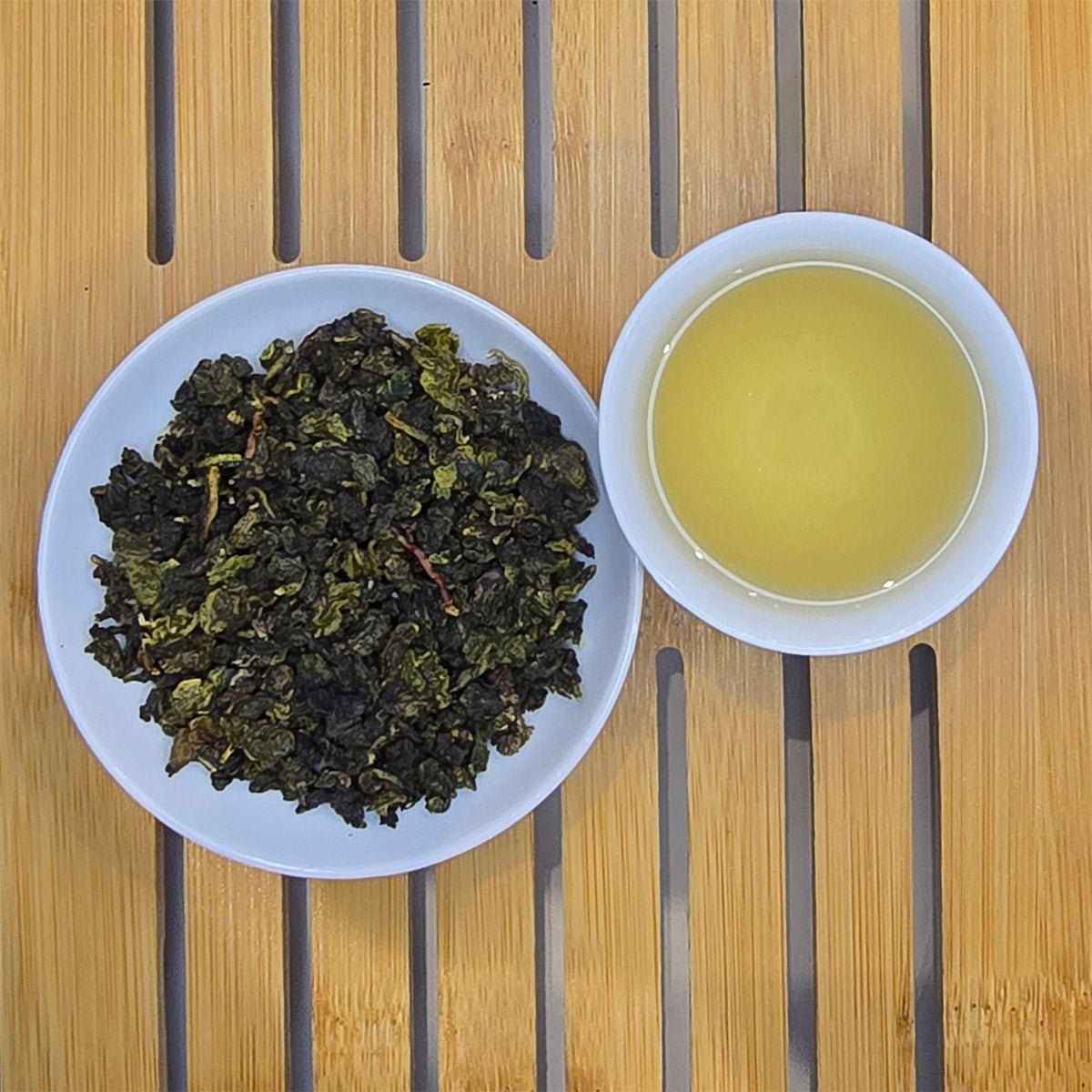
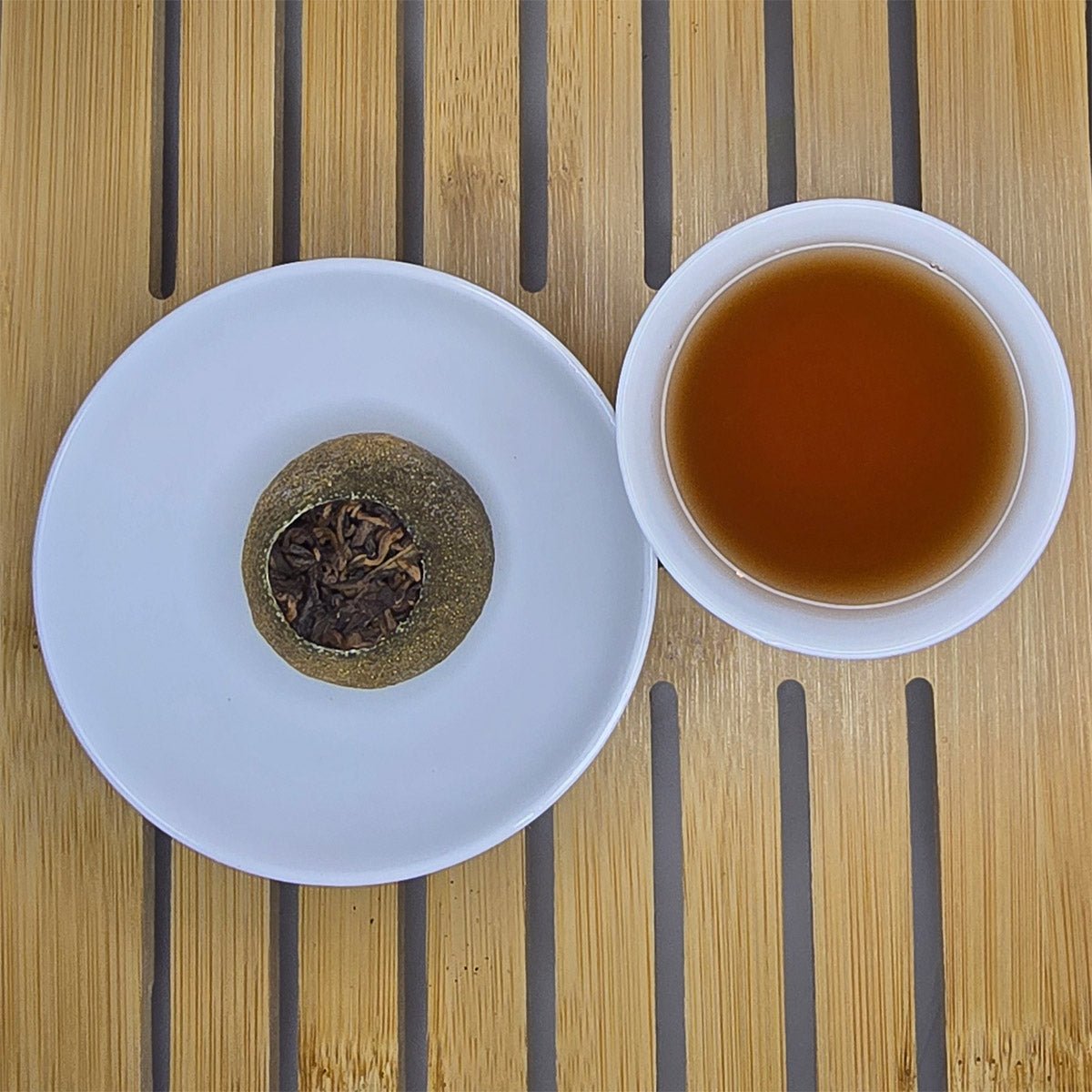
Depending on the tea, the leaves might be long and twisted, tightly rolled into small balls or gently curled. Some are almost entirely whole, while others are deliberately broken during processing. Some loose-leaf teas are pressed into slices, coins, bars, blocks and other shapes; we classify these as compressed teas.
One of the pleasures of loose-leaf tea is seeing the leaves change as they brew. Rolled oolong leaves, for example, can gradually unfurl into surprisingly large pieces. Watching that happen gives you a better sense of what you're drinking.
Loose-leaf tea is available in all the familiar varieties, including black, green, yellow and oolong, as well as white tea, puer and numerous speciality blends, such as the familiar Earl Grey.
It's worth remembering that 'loose leaf' describes how the tea is packaged and prepared. It isn't a guarantee of quality. Poor-quality loose tea exists, just as excellent tea can be found in carefully made tea bags.
What's Actually Inside a Tea Bag?
Traditional tea bags often contain smaller pieces of tea leaf, commonly described using terms such as fannings and dust.
These are recognised tea grades, not necessarily unwanted waste. Their smaller particle size means they brew quickly, producing a strong colour and flavour in a relatively short time.
That's particularly useful for the robust black teas many British drinkers enjoy with milk.
However, smaller tea particles can release their flavour and tannins quickly. If left brewing too long, some teas become noticeably bitter or astringent.
Not all tea bags are the same, either. Some premium tea bags, including larger pyramid-style bags, contain substantial leaf pieces and provide more room for the leaves to expand.
The quality of the original leaves and the skill involved in processing and blending them matter far more than the packaging alone.
Does Loose Leaf Tea Taste Better Than Tea Bags?
For many tea drinkers, flavour is the main reason to explore loose-leaf tea.
A typical everyday tea bag is often blended to deliver a reliable, strong taste, particularly when brewed with boiling water and served with milk. There's nothing wrong with that. It's exactly what many people want from their morning cup.
Loose-leaf tea opens the door to a broader range of flavours.
A good black tea might have notes of malt, honey, dried fruit or gentle spice. Green tea can be fresh, grassy, sweet or slightly nutty, while oolong offers everything from delicate floral aromas to roasted, creamy and fruity characteristics.
These flavours aren't usually added ingredients. They're natural characteristics developed through the tea plant's growing conditions and the way the leaves are processed.
Larger leaves can also release their flavour differently from finely cut tea. Rather than producing a strong infusion very quickly, they may develop gradually, allowing you to notice more of the tea's individual characteristics.
Of course, the result depends on brewing. Even expensive loose-leaf tea can taste disappointing if you use too much leaf, leave it steeping too long or brew a delicate green tea with water that's too hot.
The real advantage of loose-leaf tea is choice and control, rather than a guarantee that every cup will taste better.

Is Loose Leaf Tea Better Quality?
Loose-leaf tea is frequently associated with higher-quality leaves, and there's a practical reason for that.
Many speciality teas are produced to preserve the appearance and structure of the leaf. This allows the drinker to appreciate the size, shape and processing style of the tea.
With some whole-leaf teas, it's possible to see the leaf bud, the degree of rolling or the way the leaf has been twisted during production.
Smaller particles inside a conventional tea bag make these details harder to identify.
That said, leaf size isn't the only measure of quality. Growing conditions, harvesting, processing, freshness and storage all affect the finished tea.
A carefully produced broken-leaf black tea can be far better than a poorly stored whole-leaf tea.
When choosing loose-leaf tea, look for clear information about the tea type, origin where available, flavour profile and recommended brewing method. These details are often more useful than broad claims about premium quality.
Is Loose Leaf Tea Healthier Than Tea Bags?
This is a common question, particularly among people considering a switch to green or speciality tea.
Both loose-leaf tea and tea bags can contain beneficial plant compounds, including polyphenols. When they're made from the same type of tea plant, neither format is automatically healthier.
The amount of these compounds in your cup depends on several factors, including the tea variety, leaf processing, water temperature and brewing time.
Smaller tea particles can sometimes release compounds more quickly because more of the leaf surface is exposed to water. Whole-leaf teas may release them differently over successive infusions.
Caffeine levels also vary. Green tea isn't always lower in caffeine than black tea, and loose-leaf tea isn't necessarily stronger or weaker than bagged tea.
If health is your main reason for changing, it's sensible to keep expectations realistic. Tea can be part of a balanced diet, but switching from bags to loose leaves doesn't automatically provide additional health benefits.
For most people, the more noticeable difference is the drinking experience.

How to Brew Loose Leaf Tea: A Simple Beginner's Guide
You don't need specialist equipment or an elaborate tea ceremony to enjoy loose-leaf tea at home.
A mug, a simple infuser and a kettle are enough to get started.
Step 1: Measure Your Tea
As a starting point, use around 2–3 grams of loose-leaf tea for every 200–250 ml of water.
That's roughly one teaspoon for some teas, although large, fluffy leaves and tightly rolled teas can vary considerably in weight.
A small kitchen scale is useful if you want consistent results, but it isn't essential.
Step 2: Heat the Water
Different teas respond best to different water temperatures.
| Tea Type | Water Temperature | Brewing Time |
|---|---|---|
| Black tea | 90–100°C | 3–5 minutes |
| Green tea | 70–85°C | 1–3 minutes |
| Oolong tea | 85–95°C | 2–4 minutes |
| White tea | 75–90°C | 2–5 minutes |
These are general guidelines. Always follow the instructions provided with your particular tea where possible.
Step 3: Give the Leaves Room to Expand
Place your tea in an infuser basket, teapot or brewing vessel.
A roomy infuser is preferable to a tightly packed tea ball, particularly for larger leaves that expand considerably in hot water.
Pour the water over the leaves and allow them to infuse for the recommended time.
Step 4: Remove the Leaves and Taste
When the tea has finished brewing, remove the infuser or pour the tea through a strainer.
Taste it before adding anything else. You might discover that a tea you would normally drink with milk or sugar is enjoyable on its own.
If the flavour is too strong, try a shorter brewing time next time. If it's too weak, increase the amount of leaf slightly.
Once you've found the balance you enjoy, brewing loose-leaf tea becomes almost as straightforward as making a cup with a bag.
Can You Brew Loose Leaf Tea More Than Once?
Yes, and this is one of the less obvious advantages of good loose-leaf teas over cheap ones.
Many whole-leaf green, oolong and some black teas can be infused several times. Each infusion may reveal slightly different flavours as the leaves continue to open and release their aromatic compounds.
Oolong is particularly interesting in this respect; an initial infusion might taste light and floral, while later infusions can become rounder or more pronounced.
You may need to adjust the brewing time for subsequent infusions, depending on the tea and steeping method. For ease, each of our products contains recommendations for steeping.
Not every tea performs equally well when reused, and leaves shouldn't be left sitting wet for long periods. If you're planning another infusion, it's best to do so during the same tea-drinking session.
Is Loose Leaf Tea More Expensive Than Tea Bags?
Loose-leaf tea can look expensive when you compare the price of a packet with a box of supermarket tea bags.
Loose-Leaf Tea Cost Calculator
Wondering how much your favourite loose-leaf tea costs per cup? Enter a few details below to see how far a packet could go.
This is an estimate based on your chosen serving size. Each infusion counts as one cup. Actual results depend on the tea and how you brew it.
By comparison, everyday supermarket tea bags can cost considerably less per cup, while premium bagged teas may be similarly priced to some loose-leaf varieties.
The value of loose-leaf tea isn't necessarily that it's cheaper. It's that you may get a more interesting tea for the money, with the added possibility of brewing certain leaves more than once.
If you're trying loose-leaf tea for the first time, there's no need to buy a large quantity. A smaller packet lets you explore something new without committing to a tea you might not enjoy.
Is Loose Leaf Tea Less Convenient?
Tea bags have a clear advantage when it comes to speed and simplicity.
They're pre-measured, easy to carry and require very little cleaning up afterwards. At work, while travelling or during a busy morning, that convenience is difficult to beat.
Loose-leaf tea takes a little more preparation, but probably less than you imagine.
A mug infuser allows you to brew directly in your favourite cup. When the tea is ready, lift out the basket, set it aside and enjoy your drink.
Cleaning usually involves emptying the leaves and rinsing the infuser.
If you make several cups throughout the day, a small teapot can be equally practical.
There's also no reason to choose one method exclusively. You might prefer tea bags when you're short of time and loose-leaf tea when you have a few minutes to enjoy something different.

What About the Environmental Impact?
The environmental comparison is less straightforward than it first appears.
Loose-leaf tea generally avoids the individual bag material and often comes with less packaging per serving, depending on how it's sold.
Used tea leaves can also be suitable for home composting, provided they haven't been mixed with unsuitable materials.
Tea bags vary considerably. Some contain plastic-based sealing materials, while others use plant-based fibres or alternative constructions. Even bags described as biodegradable may require particular composting conditions.
Loose-leaf tea still needs packaging and transport, of course, so it would be misleading to suggest that every loose-leaf product has a lower environmental impact.
If reducing unnecessary packaging matters to you, check how your chosen tea is packed and whether the packaging can be recycled or composted through the facilities available to you.
Best Loose Leaf Teas for Beginners
If you've spent years drinking ordinary tea bags, choosing your first loose-leaf tea can feel a little overwhelming.
There are hundreds of varieties, each with its own growing region, processing method and flavour profile.
The simplest approach is to start with a tea that suits your existing preferences, then explore from there.
1. Black and Puer Tea: The Easiest Place to Start
For anyone who enjoys a traditional British cup of tea, black tea or Puer tea is a natural starting point.
A Yunnan Puer tea is a good choice if you like a strong, malty brew that can stand up to milk. Its full-bodied character makes the transition from everyday breakfast tea feel familiar.
If you prefer something lighter, a smooth Qimen black tea may appeal. These teas can offer a bright, refreshing flavour with a pleasantly brisk finish.
You don't have to change the way you enjoy your tea simply because you're using loose leaves. If you like milk, add milk, but, we really do not think you will need it, these teas are very light and low in tannins.
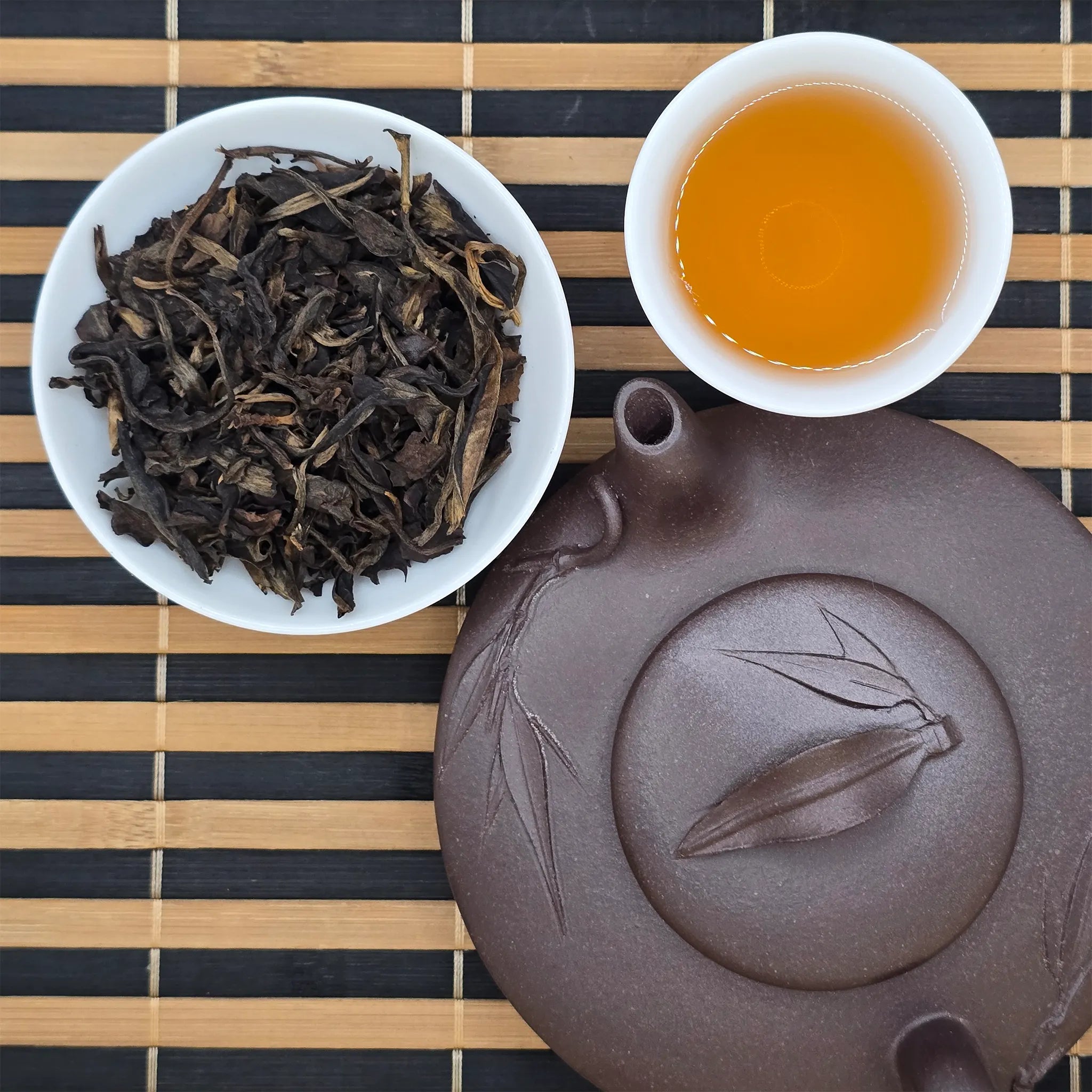 |
Explore our loose-leaf Black teasOur Black and Puer Tea Selection contains some very interesting and rare teas. |
2. Green Tea: Fresh, Light and Refreshing
Green tea is a good option if you'd like to try something different from your usual black tea.
Unlike black tea, green tea is processed to limit oxidation, helping preserve its fresh, green characteristics.
The flavour varies widely. Some green teas are grassy and lively, while others are gently sweet, nutty or savoury.
For beginners, a smooth Chinese green tea such as Dragon Well or a Taiping Houkui Tea can be an approachable choice.
The main thing to remember is water temperature. Green tea can become unpleasantly bitter when brewed too hot or for too long, so following the brewing instructions makes a noticeable difference.
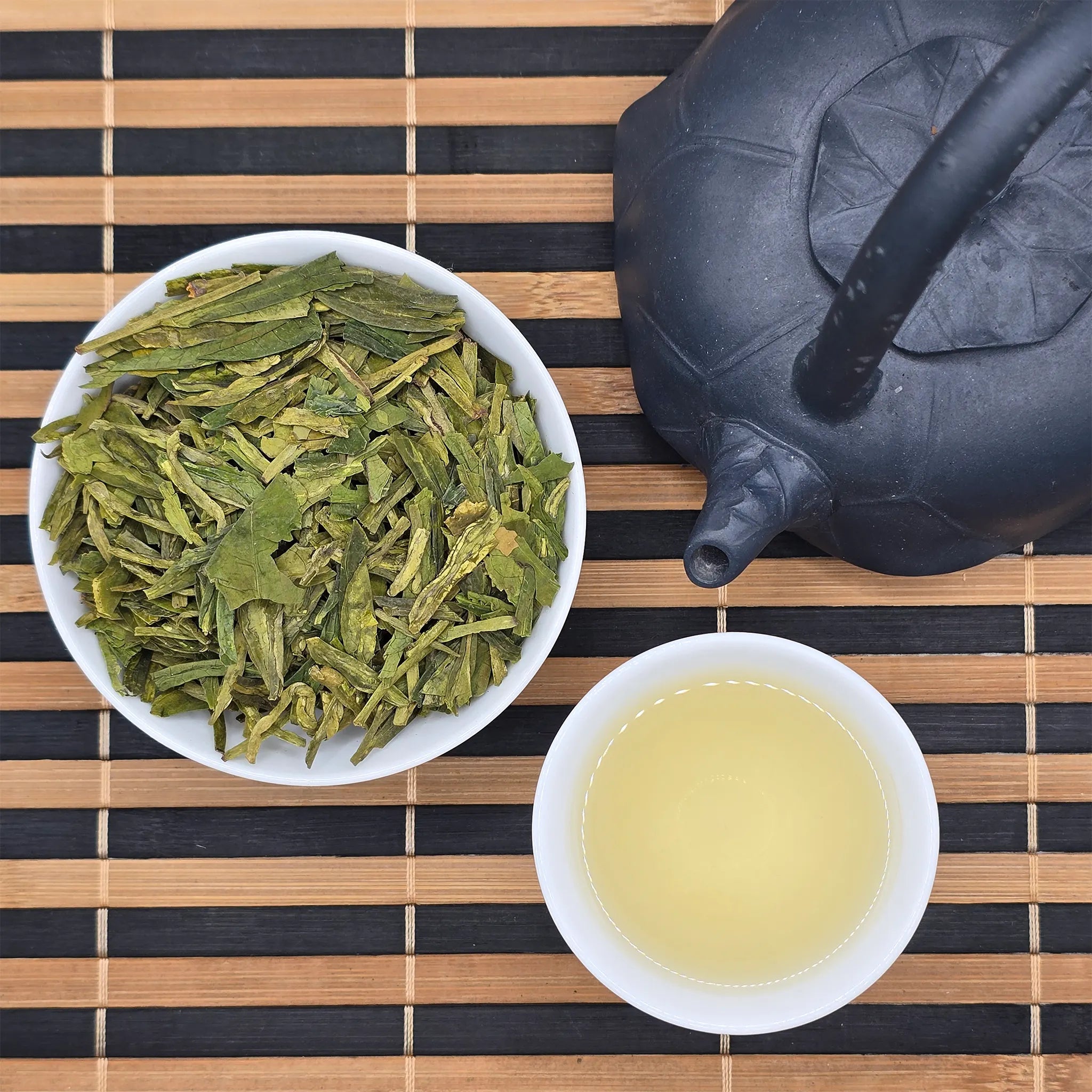 |
Explore our loose-leaf Green teasOur Green Tea Selection includes some of the very best Green Teas. |
3. Oolong Tea: Something a Little Different
Oolong sits between green and black tea in terms of oxidation, although the styles within this category are remarkably varied.
Some oolongs are light, floral and almost creamy. Others are darker, roasted and richer in character.
A lightly oxidised, rolled oolong can be a particularly enjoyable introduction. The leaves expand as they brew, and you may find the flavour changes across several infusions.
If you enjoy exploring different tastes, oolong offers plenty to discover without needing to become a tea expert.
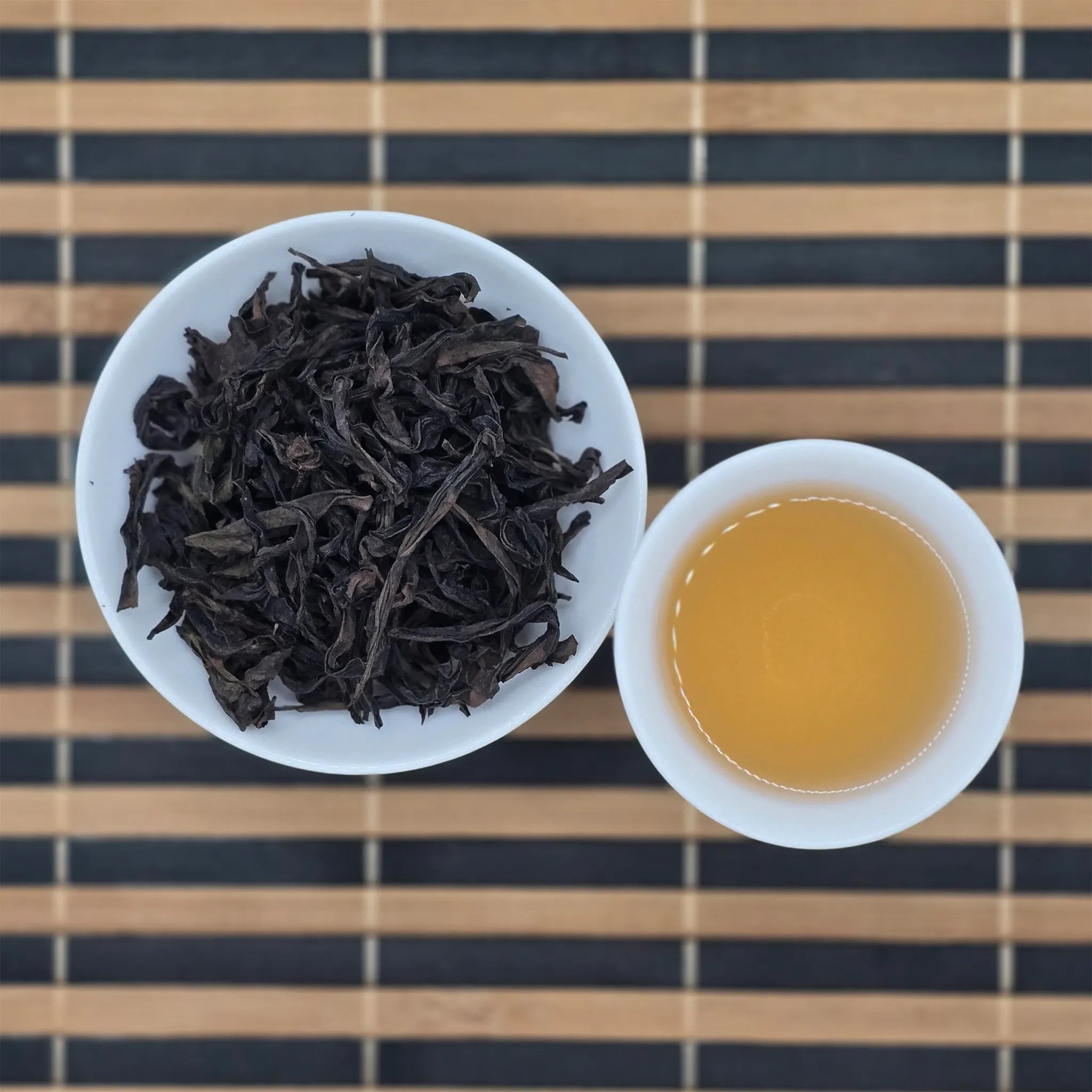 |
Explore our loose-leaf Oolong teasOur Oolong Tea Selection features some fine and rare Oolong Teas. |
What Equipment Do You Need for Loose Leaf Tea?
You can start with just three things: a kettle, your favourite mug and a tea infuser.
A stainless steel basket infuser is often the most practical option. It fits inside the mug, gives the leaves space to expand and is easy to clean.
A teapot is useful if you're making tea for two or prefer to prepare several cups at once, but it isn't essential.
You don't need an expensive temperature-controlled kettle either. A basic kettle and a little care with water temperature are enough for most beginners.
As you explore different teas, you may decide to experiment with smaller teapots, glass brewing vessels or traditional brewing methods. There's no need to invest in these before you've found teas you genuinely enjoy.
Making the Switch: Start With Three Teas
One of the easiest ways to discover what you enjoy is to try a small selection rather than buying a large packet of a single tea.
Black, green and oolong teas offer three quite different experiences, making them a useful starting point.
A Simple Loose-Leaf Starter Selection
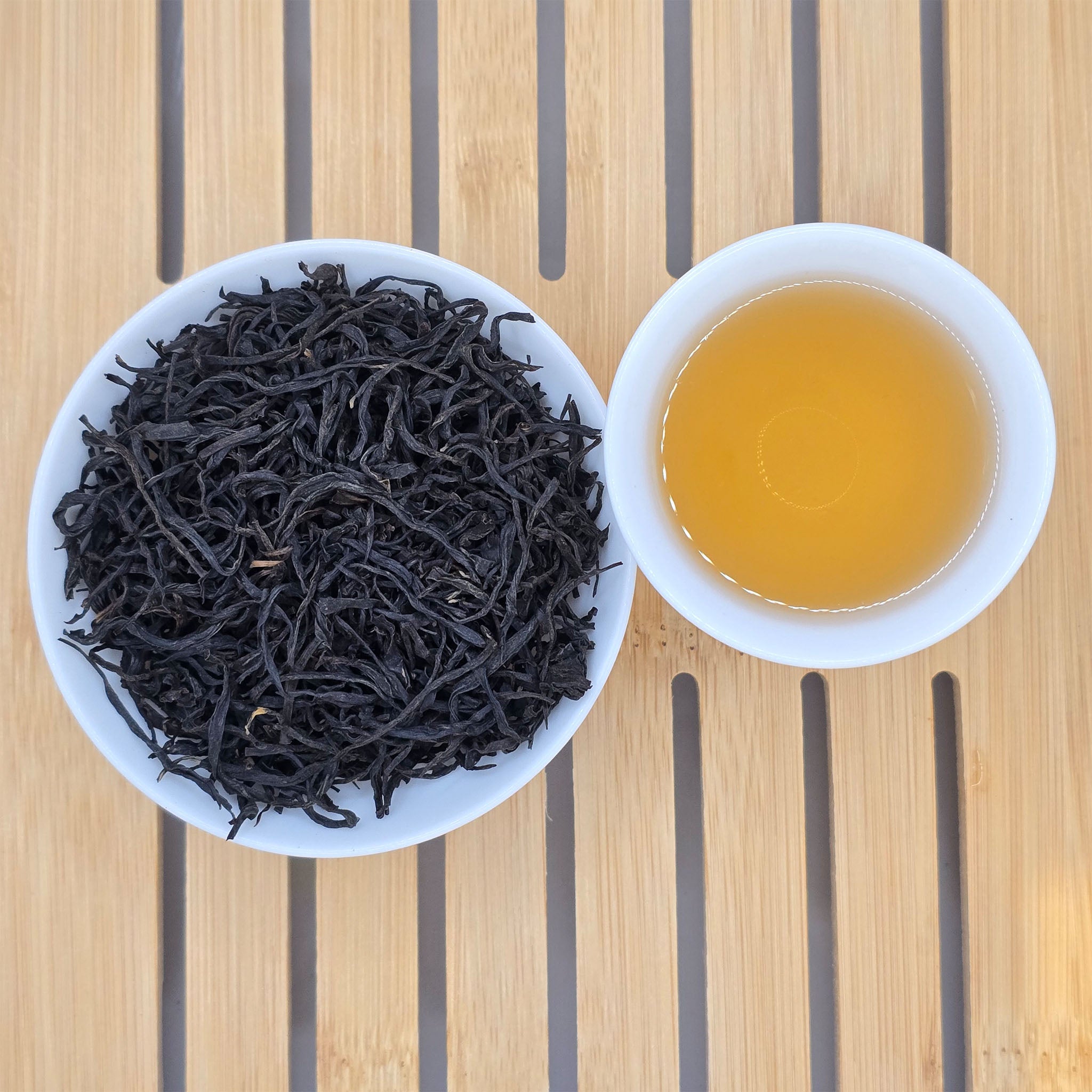 |
A Comforting Black TeaFamiliar, full-bodied and ideal for anyone who enjoys a traditional cuppa. Our fine, Unsmoked Lapsang Souchong Tea is a good place to start. |
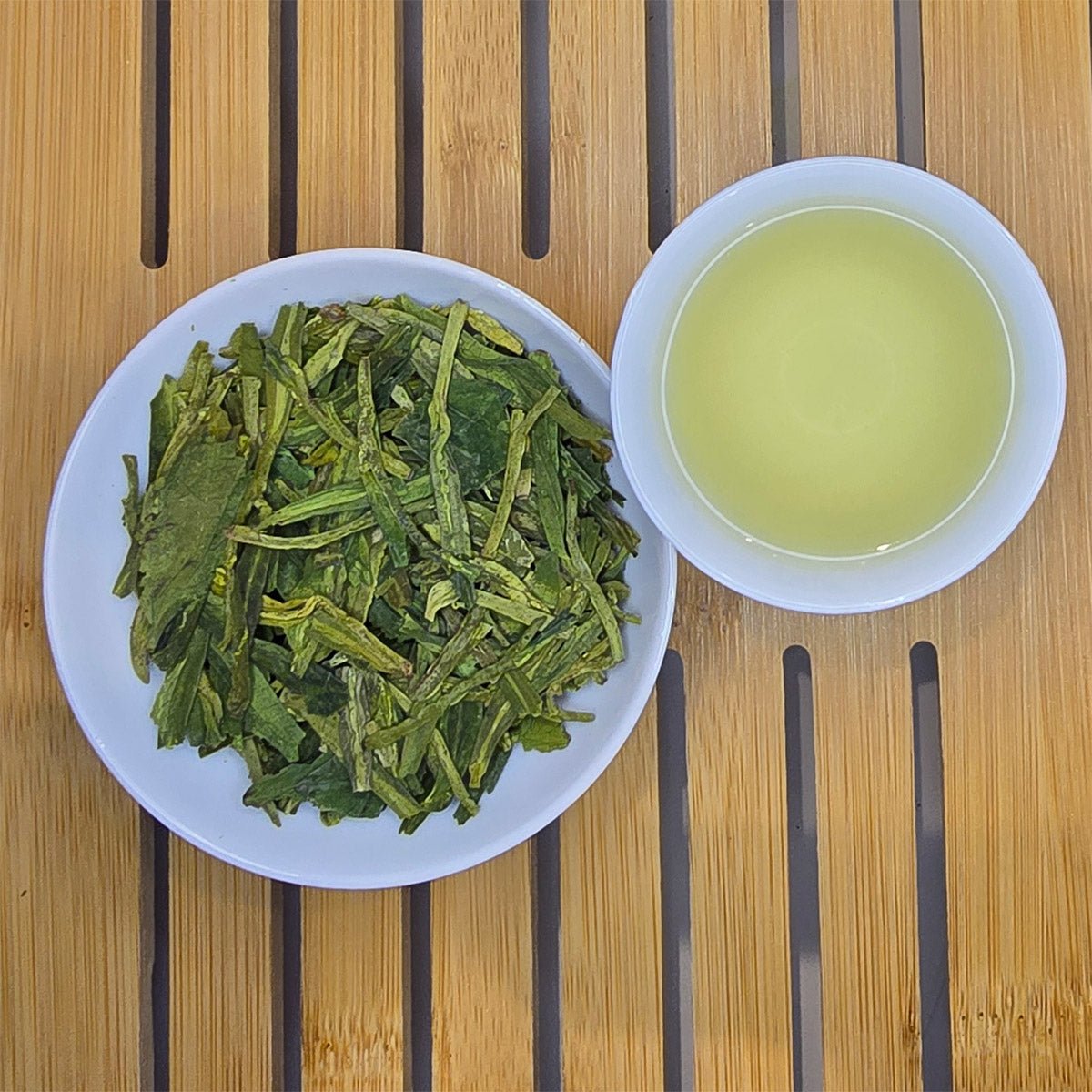 |
A Gentle Green TeaFresh and lighter in character, perfect for discovering a different style of tea. A King of teas, Longjing (Dragon Well) Green Tea – Grade AA. A great Green Tea to start with. |
 |
An Aromatic OolongA chance to explore layered flavours and enjoy multiple infusions. This amazing Zhangping Shui Xian Oolong Tea is a wonder that will dring a smile. |
There's no need to rush through them. Try each tea a few times, experiment with brewing and pay attention to which flavours you naturally return to.
You might discover that you love a strong black tea in the morning but prefer something lighter in the afternoon. Or perhaps a fragrant oolong becomes your new favourite.
The point isn't to replace every tea bag in your cupboard overnight. It's to discover what else tea has to offer.
Browse our loose-leaf tea collection and choose a few teas to try at your own pace.
Explore our loose leaf tea collection
Frequently Asked Questions About Loose Leaf Tea
Is loose leaf tea stronger than tea bags?
Not necessarily. Tea bags containing finely cut leaves often brew very quickly and can produce a strong cup. Loose-leaf tea gives you more control over strength because you can adjust the amount of tea and brewing time.
Can you put loose leaf tea directly into a mug?
Yes. You can place the leaves directly into a mug and strain them before drinking, although a basket infuser is usually more convenient. It keeps the leaves contained and makes cleaning easier.
How much loose leaf tea should I use per cup?
Around 2–3 grams for 200–250 ml of water is a useful starting point. The exact amount depends on the tea variety, leaf size and your preferred strength.
Does loose leaf tea last longer than tea bags?
Both can retain their quality for a considerable time when stored correctly. Keep tea in an airtight container away from moisture, heat, strong odours and direct sunlight. Freshness and storage conditions matter more than whether the tea is loose or bagged.
Can you add milk to loose leaf tea?
Absolutely. Many loose-leaf black teas, particularly robust Assam and breakfast-style blends, work very well with milk. Delicate green and lightly oxidised oolong teas are generally enjoyed without it, but personal preference matters.
Is loose leaf tea worth switching to?
If you enjoy discovering new flavours, appreciate the ritual of making tea or want greater control over your brew, loose-leaf tea is certainly worth exploring.
Tea bags will always have their place. But once you've experienced the range of flavours available in good loose-leaf tea, you may find yourself reaching for the infuser more often.


