








Lapsang Souchong Tea, Grade A
Available in stock (194)
Unsmoked Lapsang Souchong Tea – Grade A Zhengshan Xiaozhong
Forget the bonfire smoke. This is Lapsang Souchong in its beautifully floral, naturally sweet form. Our Grade A Lapsang Souchong, also known as Zhengshan Xiaozhong, comes from the Wuyi Mountains of Fujian Province, China. Unlike the strongly pine-smoked tea familiar to many British tea drinkers, this is an unsmoked Chinese black tea with a refined aroma of flowers, ripe fruit and honeyed sweetness.
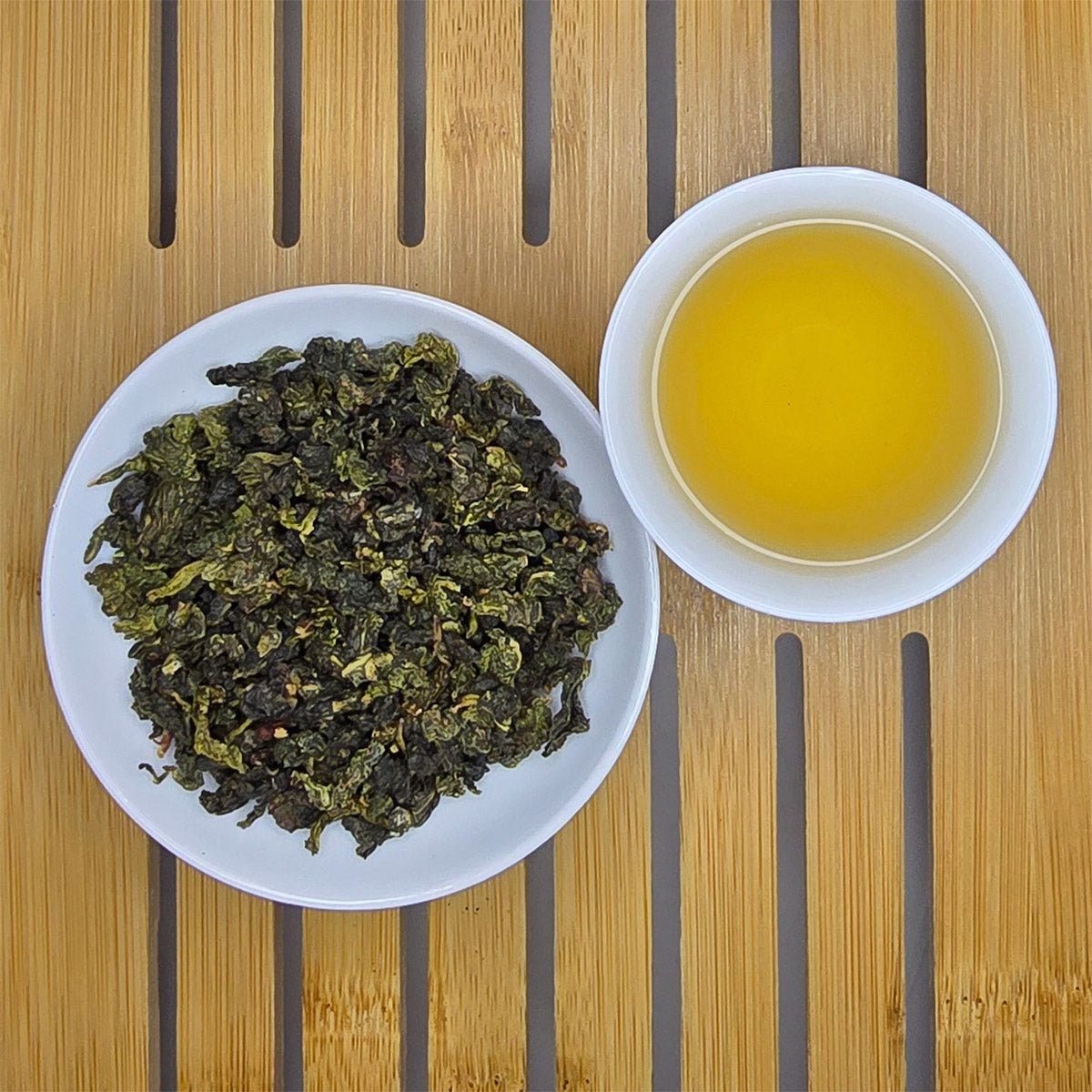
The dry leaves are plump, dark and neatly twisted, with a glossy finish. As they warm in the teapot, delicate floral notes mingle with aromas reminiscent of lychee, sun-dried longan and ripe orchard fruit. The infusion is a clear, deep amber-red, with a smooth body, a lightly woody undertone and a sweet finish that lingers pleasantly after each sip.
This is a wonderful tea for anyone who enjoys the complexity of fine Chinese black tea but does not want a smoky flavour. It is equally rewarding for experienced Lapsang Souchong drinkers curious about the gentler, fruitier side of the style.
Enjoy it without milk to appreciate its natural fragrance, or brew it a little stronger if you prefer a fuller cup. Its balance of fruit, flowers and gentle wood makes it particularly satisfying for slow morning brewing or a quiet afternoon tea.
Origin: Wuyi Mountains, Fujian Province, China
Tea Name: Lapsang Souchong / Zhengshan Xiaozhong
Tea Type: Chinese Black Tea
Style: Unsmoked, Floral and Fruity
Grade: A Grade, According to the Product Specification
Harvest: April; Harvest Year Not Specified
Leaf Appearance: Dark, Glossy, Plump and Twisted
Aroma: Flowers, Ripe Fruit, Honeyed Lychee and Longan
Flavour: Smooth, Sweet, Fruity and Lightly Woody
Liquor: Clear, Deep Amber-Red
Caffeine: Naturally Contains Caffeine
Pack Sizes: 125g and 250g Listed
What Makes This Grade A Lapsang Souchong Different?
The most distinctive feature of this tea is its absence of smoke.
In Britain, Lapsang Souchong is usually associated with a powerful smoky aroma, traditionally created by drying or smoking tea over pinewood. That familiar style can be wonderfully warming and characterful, but it is only one expression of this historic Chinese black tea.
Our Grade A Zhengshan Xiaozhong is made in an unsmoked floral style. Without the dominant pine-smoke character, the tea's own natural aromas become much more apparent.
The fragrance is gentle but layered. Floral notes appear first, followed by ripe fruit, honeyed lychee and the soft sweetness of dried longan. A subtle woody undertone provides depth without making the tea heavy.
The result is a smooth, rounded black tea with a refined finish. It is particularly appealing if you enjoy aromatic Chinese teas and prefer natural sweetness to strong bitterness or smoky intensity.
From the Wuyi Mountains – The Birthplace of Lapsang Souchong
The Wuyi Mountains in northern Fujian Province are among China's most celebrated tea-producing areas. The region is especially well known for Wuyi rock oolongs and for its long association with traditional Chinese black tea.
Lapsang Souchong, known in Chinese as Zhengshan Xiaozhong (正山小种), is closely linked to this region. The style has an important place in the history of Chinese black tea and its introduction to overseas markets.
The tea's character reflects the aromatic side of Wuyi black tea: ripe fruit, gentle flowers, natural sweetness and a restrained woody finish.
For customers familiar with the strong smoky version of Lapsang Souchong, this tea offers an opportunity to experience a very different expression of the same tea tradition.
Unsmoked vs Smoked Lapsang Souchong
Although they share a name and a connection to Fujian, smoked and unsmoked Lapsang Souchong can taste remarkably different.
| Feature | Unsmoked Grade A Lapsang | Pine-Smoked Lapsang |
|---|---|---|
| Aroma | Flowers, honeyed fruit, longan and lychee | Pine smoke, wood and resinous notes |
| Flavour | Smooth, naturally sweet and lightly woody | Smoky, bold and often savoury |
| Smoke Character | No intentional smoking | Smoke is a defining feature |
| Best Enjoyed | Plain, to appreciate the floral and fruity aroma | Plain or prepared to suit a stronger flavour preference |
| Ideal For | Drinkers who enjoy refined, aromatic black teas | Drinkers who enjoy pronounced wood-smoke flavours |
Neither style is inherently better; they simply offer different drinking experiences.
If you have previously avoided Lapsang Souchong because you dislike smoky tea, this unsmoked version may be a pleasant surprise. Its character is much closer to a fragrant, naturally sweet Chinese black tea than to a smoky breakfast blend.
And if you already enjoy classic pine-smoked Lapsang, tasting the unsmoked style can help reveal the fruit and floral qualities that are less obvious beneath the smoke.
What Is Zhengshan Xiaozhong?
Zhengshan Xiaozhong is the Chinese name closely associated with traditional Lapsang Souchong from the Wuyi area of Fujian.
The term is often written as Zheng Shan Xiao Zhong. In English, the tea is generally known as Lapsang Souchong, although the names may be used somewhat differently by individual producers and retailers.
Historically, Lapsang Souchong became especially famous abroad for its smoky character. Today, unsmoked Zhengshan Xiaozhong is also appreciated for its natural fruitiness, floral fragrance and smooth black-tea body.
Our Grade A selection belongs to this unsmoked style. Its appeal comes from the quality of the leaf, the balance of oxidation and drying, and the aromatic character developed during processing.
The result is a tea that feels elegant rather than forceful: full of flavour, but not dominated by smoke, bitterness or astringency.
April Harvest and Traditional Black Tea Processing
The product specification identifies April as the harvest period for this Lapsang Souchong. Spring harvesting is valued in many Chinese tea traditions for the fresh aromatic qualities of the leaves.
After picking, black tea is generally produced through several stages, including withering, rolling or shaping, oxidation and drying. These processes transform the fresh green leaves into the dark, aromatic tea familiar to black-tea drinkers.
Unlike the pine-smoked export style, this selection is not intentionally smoked. Its flavour therefore comes from the tea leaves and their processing rather than from exposure to burning pinewood.
The finished leaves are plump and tightly twisted, with a dark glossy appearance. When infused, they produce a clear amber-red liquor with floral and ripe-fruit aromas.
Although the tea is sold as Grade A, the exact harvest year, leaf cultivar and individual processing stages have not been specified. The tasting character, Wuyi origin and unsmoked style remain the most useful details for understanding this selection.
Tasting Notes – Honeyed Lychee, Longan and Flowers
| Attribute | Description |
|---|---|
| Dry Leaf Aroma | Delicate flowers, ripe fruit and soft honeyed sweetness |
| Infused Aroma | Lychee, dried longan, warm fruit and subtle wood |
| Flavour | Smooth, sweet and full-bodied, with fruity and floral undertones |
| Liquor Colour | Clear, deep amber-red |
| Mouthfeel | Rounded, mellow and refined |
| Smoke | Unsmoked |
| Finish | Long-lasting natural sweetness with a lightly woody note |
The first aroma is soft and floral, with a ripe-fruit sweetness that recalls lychee and longan. These are tasting notes naturally associated with the tea, not added fruit flavourings.
On the palate, the tea is smooth and gently full-bodied. Its sweetness is balanced by a little woody depth, creating a cup that is aromatic without becoming overly perfumed.
As the infusion cools, the fruit character can become more noticeable. The finish remains mellow, with a pleasant sweetness that lingers after drinking.
For the clearest expression of these flavours, try the tea without milk or sugar first.
How to Brew Grade A Unsmoked Lapsang Souchong
This tea can be enjoyed using either a conventional teapot or a Gongfu brewing method. The key is to use water hot enough to bring out the aroma without leaving the leaves steeping so long that the cup becomes unnecessarily strong.
Western-Style Brewing
- Warm your teapot or infuser with a little hot water, then empty it.
- Add approximately 3g of loose-leaf tea per 250ml of water.
- Heat fresh water to 90–95°C.
- Steep for 2–3 minutes.
- Strain the leaves completely and enjoy.
- Reinfuse if the leaves still have flavour to offer.
For a stronger cup, increase the tea quantity slightly rather than leaving the leaves in the water indefinitely.
Gongfu Brewing
- Place approximately 4–5g of tea in a warmed 100–120ml gaiwan or small teapot.
- Add water at 90–95°C.
- Begin with a 15–20 second infusion.
- Pour the tea off completely and enjoy the aroma.
- Continue with fresh hot water, increasing the time gradually across later infusions.
| Brewing Method | Tea and Water | Suggested Time |
|---|---|---|
| Western-Style | 3g / 250ml / 90–95°C | 2–3 minutes |
| Stronger Western Cup | 4–5g / 250ml / 90–95°C | 2–3 minutes, adjust to taste |
| Gongfu – First Infusion | 4–5g / 100–120ml / 90–95°C | 15–20 seconds |
| Gongfu – Second to Fourth | Same leaves, fresh hot water | 25–35 seconds |
| Gongfu – Later Infusions | Same leaves, fresh hot water | 40–60 seconds or longer to taste |
Brewing tip: A porcelain gaiwan or glass teapot works particularly well for this tea, allowing you to appreciate its delicate fragrance and amber-red colour.
The original product specification suggests 4–5g per 200ml and a sequence of short infusions. For Gongfu brewing, we recommend a smaller 100–120ml vessel with that quantity of leaves; for a larger 200–250ml cup, allow a longer infusion and adjust the leaf quantity to taste.
Why Choose Our Unsmoked Lapsang Souchong?
- Unsmoked style: No intentionally added pine-smoke character.
- Wuyi Mountains origin: From Fujian Province, the historic home of Lapsang Souchong.
- Zhengshan Xiaozhong: A traditional Chinese black tea with a refined aromatic profile.
- Grade A selection: Identified as a premium grade in the product specification.
- April harvest: Spring-picked according to the product listing.
- Natural fruit notes: Honeyed lychee, longan and ripe-fruit sweetness.
- Floral fragrance: Gentle, elegant aromas without added floral flavouring.
- Dark twisted leaves: Attractive, glossy whole-leaf appearance.
- Smooth finish: Rounded mouthfeel and lingering sweetness.
- Flexible brewing: Suitable for both Western-style and Gongfu preparation.
Ingredients
Black tea leaves (Camellia sinensis).
The lychee, longan, honey and floral descriptions refer to the tea's natural aroma and flavour, not additional ingredients.
How to Store Your Lapsang Souchong Tea
Store your loose-leaf tea in a clean, dry, well-sealed container away from direct sunlight, moisture, excessive heat and strong odours.
Black tea can readily absorb surrounding aromas, so avoid keeping it close to coffee, spices or strongly scented household products. Reseal the package carefully after each use to help preserve its floral and fruity character.
This tea is ready to enjoy now. While some black teas may change with storage, further ageing does not guarantee improved flavour. Protecting its delicate fragrance is the best priority for everyday drinking.
Explore More Chinese Black Teas
Our Grade A Unsmoked Lapsang Souchong offers a particularly elegant side of Wuyi black tea. With its honeyed longan aroma, floral character and smooth finish, it is a rewarding choice for anyone who enjoys fragrant loose-leaf tea without the strong smoke traditionally associated with Lapsang.
For another refined Chinese black tea, discover our Keemun Hao Ya A Black Tea, known for its floral, malty and cocoa-like notes.
If you prefer the richer honeyed character of Yunnan black tea, explore our Yunnan Big Leaf Honey Fragrant Dianhong or Jin Zhi Yu Ye Dian Hong Black Tea.
For a fragrant blended tea using a Lapsang Souchong base, try our Lapsang Souchong Earl Grey with Chen Pi, combining bergamot and aged tangerine peel with Chinese black tea.
Browse our Black and Puer Tea Collection and Premium & Rare Loose-Leaf Teas for more traditional Chinese selections.

Discover the Origins of Your Tea
Fujian Province, China
Explore one of China's most celebrated tea-growing regions, home to the legendary Wuyi Mountains, Anxi and Fuding. Discover the landscapes, distinctive growing conditions and centuries-old traditions behind exceptional Chinese oolong, black and white teas, including Da Hong Pao, Tie Guan Yin, Lapsang Souchong and Silver Needle.
Explore Fujian's Tea Heritage →Couldn't load pickup availability


Your payment information is processed securely. We do not store credit card details nor have access to your credit card information.
