








Fujian Province, China – Tea Growing Region

Fujian Province, on China's southeastern coast, is one of the country's most important and historically significant tea-growing regions. Its mountainous landscape, humid climate and long tradition of tea cultivation have made it particularly famous for oolong, black and white teas.
The province is home to several celebrated tea-producing areas, including the Wuyi Mountains, Anxi, Fuding and Zhenghe. Each has developed its own distinctive tea styles, influenced by local growing conditions, tea plant varieties and traditional processing techniques.
The Wuyi Mountains are especially important to us at Great Tea, as many of our teas originate from this remarkable part of Fujian. Known for their dramatic rocky landscapes and distinctive mineral-rich growing environments, the mountains are closely associated with some of China's most highly regarded oolong and black teas.
From the roasted complexity of Wuyi rock teas to the delicate character of Fujian white tea, the province offers an extraordinary range of flavours and aromas.
Where Is Fujian Province?
Fujian is situated on the southeastern coast of China, bordering Zhejiang Province to the north, Jiangxi to the west and Guangdong to the south. The Taiwan Strait lies to the east.
Much of the province consists of hills and mountains, with relatively limited areas of flat land. Tea gardens are found throughout the region, often occupying hillsides, mountain valleys and elevated terraces.
Fujian experiences a humid subtropical climate, characterised by warm summers, generally mild winters and abundant rainfall.
These conditions are well suited to tea cultivation, although growing environments vary considerably between the province's different districts.
The mountainous terrain is particularly important, creating local differences in temperature, sunlight, humidity and soil conditions that influence the development of tea leaves.

The Wuyi Mountains – The Heart of Fujian Tea
The Wuyi Mountains, located in northern Fujian, are among China's most celebrated tea-growing landscapes and have a long association with the production of distinctive oolong and black teas.
The area is known for its steep rocky cliffs, narrow valleys, wooded slopes and winding streams. Tea gardens are often found among these natural features, creating a growing environment quite different from the more open plantations found in other tea-producing regions.
The mountains are particularly famous for Wuyi Yan Cha, commonly known as Wuyi rock tea. These traditional oolong teas are valued for their complex aromas, layered flavours and distinctive roasted character.
The term Yan Cha translates as rock tea, reflecting the close association between the tea gardens and the region's rocky terrain.
Why Are the Wuyi Mountains Special?
The Wuyi tea-growing landscape contains a combination of rocky soils, sheltered valleys, regular rainfall and localised climatic conditions.
Tea plants growing in these environments can develop distinctive characteristics, although the final flavour of the tea also depends heavily on the cultivar, harvesting methods and processing techniques.
Traditional Wuyi oolong production involves careful withering, controlled oxidation, rolling, drying and roasting.
The roasting stage is particularly important, helping develop the deeper aromas and complex flavours associated with many Wuyi rock teas.
Wuyi Mountain Teas at Great Tea
The Wuyi Mountains hold particular significance for Great Tea because many of our Chinese teas come from this historic growing region.
We value the distinctive character of Wuyi teas, particularly the way their growing environment and traditional processing methods contribute to their aroma, texture and flavour.
For tea drinkers interested in exploring the differences between Chinese tea regions, Wuyi Mountain teas offer a fascinating example of how location and craftsmanship can shape the finished tea.
The History of Tea in Fujian
Tea has been cultivated in Fujian for many centuries, and the province has played an important role in the development of Chinese tea production and international tea trade.
During the Song dynasty (960–1279), Fujian became particularly well known for its tribute teas, including those produced in the Jian'an area of northern Fujian.
Tea culture continued to develop over subsequent centuries, with new methods of processing and preparing tea emerging across the province.
Fujian is especially important in the history of oolong tea, a category traditionally associated with both Fujian and neighbouring regions.
The province also has strong historical connections with the development of Chinese black tea, particularly in the Wuyi Mountain area.
During the expansion of international tea trading, teas from Fujian became important exports to Europe and other overseas markets.
Today, the province continues to produce many of China's best-known traditional teas while maintaining a strong connection to its tea-growing heritage.
Famous Teas from Fujian Province
Fujian produces a remarkable variety of teas, with oolong, black and white teas forming an important part of its reputation.
Some of the province's best-known teas include Da Hong Pao, Shui Xian, Rou Gui, Tie Guan Yin, Lapsang Souchong and several traditional white tea varieties.
Da Hong Pao (Big Red Robe)
Da Hong Pao is one of the most famous Wuyi rock teas and is closely associated with the Wuyi Mountains.
Its name translates as Big Red Robe, and the tea has a long history surrounded by local stories and traditions.
Da Hong Pao is an oolong tea, typically processed with partial oxidation followed by roasting.
The finished tea often has a rich, rounded character, with roasted, woody and sometimes fruity notes.
Its flavour varies depending on the tea plants used, growing conditions and roasting style.
Modern Da Hong Pao teas may be produced from different Wuyi cultivars or blends, rather than from the historic mother tea bushes.

Discover Traditional Wuyi Rock Oolong
Da Hong Pao – Big Red Robe Oolong Tea
Roasted Warmth | Fruity & Floral | Mineral Sweetness
Discover the remarkable character of Da Hong Pao, one of China's most celebrated rock oolong teas. Grown in the legendary Wuyi Mountains of Fujian Province, this Grade A loose-leaf tea combines warm roasted aromas with delicate fruity and floral notes. Its rich, rounded texture, subtle mineral character and lingering natural sweetness reflect the distinctive qualities of traditional Wuyi rock tea, known as Yan Cha.
Explore Tea →Shui Xian (Water Sprite)
Shui Xian is another important Wuyi oolong tea, known for its full-bodied character and distinctive aroma.
It is produced from the Shui Xian tea plant cultivar, which is widely grown in the Wuyi region.
Depending on its processing, Shui Xian can develop woody, floral and roasted characteristics, often with a smooth texture and lingering finish.
Traditional roasting methods can give the tea considerable depth while preserving the underlying character of the leaves.

Discover Traditional Compressed Oolong Tea
Zhangping Shui Xian Oolong Tea
Orchid Fragrance | Creamy Smoothness | Honeyed Sweetness
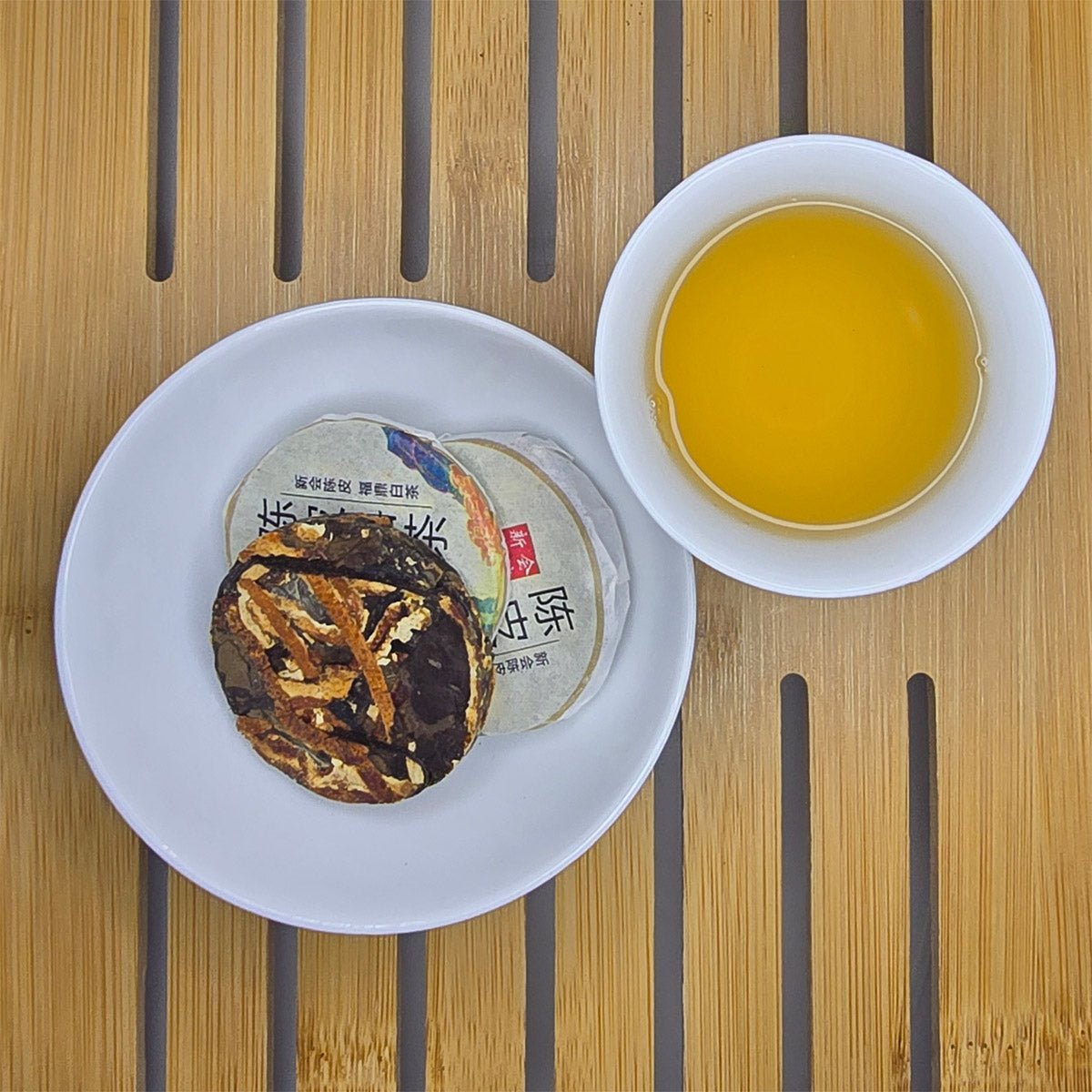
Discover the distinctive elegance of Zhangping Shui Xian, a traditional oolong tea from Fujian Province, China. Unlike most loose-leaf oolongs, this remarkable tea is gently compressed into small square cakes, preserving its delicate floral character. Each infusion reveals enchanting orchid aromas, a smooth, creamy texture and natural honeyed sweetness, complemented by a subtle roasted warmth. As the leaves slowly unfurl, the flavours develop beautifully across multiple infusions.
Explore Tea →Rou Gui (Cassia)
Rou Gui is a well-known Wuyi rock tea produced from a distinctive cultivar associated with the region.
Its name refers to cassia cinnamon, reflecting the spicy aromatic character often found in the tea.
Rou Gui can produce a fragrant, full-flavoured infusion with notes of warm spice, fruit and roasted sweetness.
The balance of these characteristics depends on the growing location, processing and roasting.
Tie Guan Yin (Iron Goddess of Mercy)
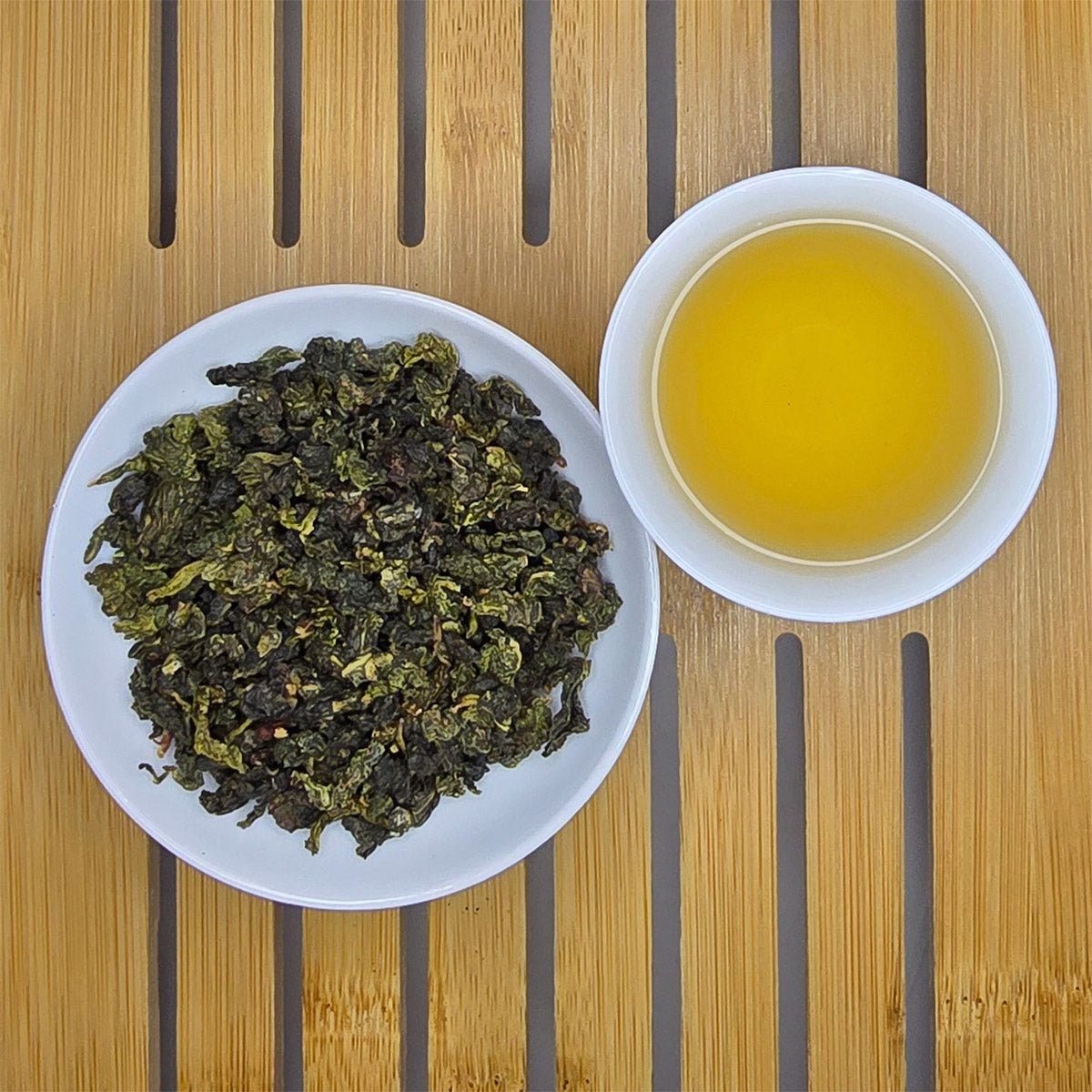
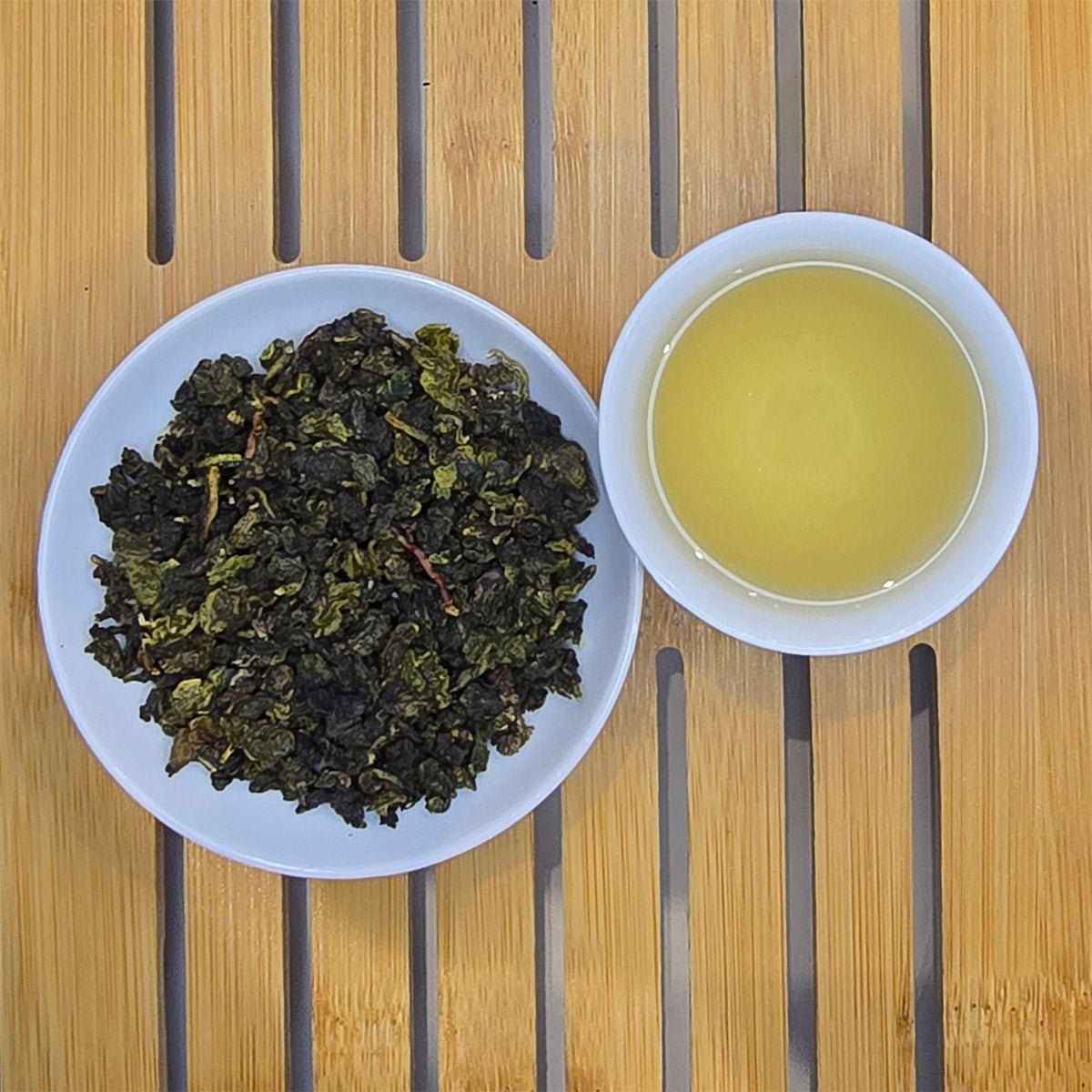
Tie Guan Yin is one of China's best-known oolong teas and is particularly associated with Anxi County in southern Fujian.
Unlike many heavily roasted Wuyi oolongs, modern Anxi Tie Guan Yin is often produced in a lighter, greener style.
The tea is known for its floral aroma, smooth texture and fresh, lingering flavour.
Traditional roasted versions are also produced, offering a deeper and more mellow character.

Lapsang Souchong (Zheng Shan Xiao Zhong)
Lapsang Souchong is a traditional Chinese black tea with strong historical connections to the Wuyi Mountain region.
It is particularly associated with Tongmu, an area within the Wuyi Mountains.
The tea is known internationally for its distinctive smoked versions, traditionally produced using pinewood smoke during processing.
However, not all Lapsang Souchong is smoked.
Unsmoked versions can offer a smooth, sweet character with fruity, floral and honey-like notes.
This diversity makes Lapsang Souchong an interesting example of how processing can influence the flavour of tea from the same region.
Discover Traditional Chinese Black Tea
Lapsang Souchong Tea – Grade A
Floral & Fruity | Honey Sweetness | Unsmoked
Discover an exceptional Grade A Lapsang Souchong from the famous Wuyi Mountains of Fujian, China. Unlike traditional smoked varieties, this refined black tea reveals delicate floral aromas, ripe fruit notes reminiscent of lychee and longan, and a beautifully smooth, honey-sweet finish. A wonderful expression of authentic Chinese black tea craftsmanship.
Explore Tea →Fujian White Tea
Fujian is also one of China's most important regions for white tea production, particularly around Fuding and Zhenghe.
White tea is generally produced through relatively simple processing methods, involving withering and drying.
Well-known varieties include Silver Needle (Bai Hao Yin Zhen), White Peony (Bai Mu Dan) and Shou Mei.
These teas can range from delicate and lightly floral to fuller, sweeter and more mellow in character.
The finished flavour depends on the cultivar, leaf grade, growing conditions and processing methods.
Tea Growing Conditions in Fujian
Fujian's mountainous geography creates a wide range of growing environments, each influencing the development of different tea styles.
Climate and Rainfall
The province experiences a humid subtropical climate with generally warm temperatures and substantial rainfall.
Moisture is important for healthy tea plant growth, while seasonal temperature changes influence the timing and development of new shoots.
Mountainous areas can experience cooler temperatures and greater local variation than lower coastal districts.
Soil and Mountain Terrain
Tea gardens throughout Fujian are found on different types of hillside and mountain soils.
In the Wuyi Mountains, rocky terrain and weathered mineral material contribute to the distinctive growing environment.
However, the flavour of Wuyi tea cannot be attributed to soil alone.
Tea cultivar, microclimate, cultivation practices and processing methods all play important roles in determining the finished character.
Tea Harvesting and Processing in Fujian
Harvesting practices vary considerably across Fujian, reflecting the different types of tea produced within the province.
Spring is an important harvesting season for many teas, although the timing depends on the growing district, cultivar and intended tea style.
Oolong Tea Processing
Traditional oolong production involves several stages, including withering, controlled oxidation, fixing, rolling and drying.
For many Wuyi rock teas, roasting is an additional important stage.
The degree of oxidation and roasting can vary considerably, producing teas with different aromas, textures and flavours.
Black Tea Processing
Fujian black teas are generally produced through withering, rolling, oxidation and drying.
During oxidation, chemical changes within the leaves help develop the colour, aroma and flavour associated with black tea.
Some traditional Lapsang Souchong styles also involve smoking, which introduces their distinctive pinewood character.
White Tea Processing
White tea production typically involves careful withering and drying, with less mechanical handling than many other tea categories.
This relatively gentle processing helps preserve the natural appearance and characteristics of the leaves.
What Does Fujian Tea Taste Like?
Fujian produces such a wide range of teas that there is no single flavour that defines the province.
Wuyi rock teas are often characterised by roasted, mineral-like, woody or fruity notes, depending on the cultivar and processing.
Anxi Tie Guan Yin can offer a lighter, more floral character, particularly when produced in a greener style.
Fujian black teas may display notes of honey, fruit, malt or gentle smoke.
White teas from Fuding and Zhenghe are often appreciated for their delicate aromas, smooth texture and subtle sweetness.
Brewing methods also influence the finished cup, particularly water temperature, leaf quantity and infusion time.
Tea Culture in the Wuyi Mountains
Tea cultivation is deeply connected to the cultural landscape of the Wuyi Mountains.
For centuries, local communities have developed specialised knowledge of tea growing, processing and preparation.
Traditional Wuyi tea production requires careful attention to the condition of the leaves at each stage of processing.
Roasting, in particular, remains an important skill, requiring experience and judgement to achieve the desired balance of aroma and flavour.
The region is also closely associated with Gongfu tea preparation, a method using relatively small brewing vessels and multiple short infusions.
This approach allows the changing aromas and flavours of the tea to be appreciated over several brews.
Why Is Fujian Important to Chinese Tea?
Fujian has made an important contribution to the history and development of Chinese tea.
Its tea-growing regions have helped establish some of the country's most recognisable styles, from Wuyi rock oolongs and Anxi Tie Guan Yin to traditional black and white teas.
The Wuyi Mountains are particularly significant because of their association with historic tea production and the development of distinctive processing techniques.
For Great Tea, the region is especially meaningful because many of our teas originate from these mountains.
Understanding Fujian's tea heritage provides a deeper appreciation of the different cultivars, growing environments and processing traditions that shape the teas we enjoy.
Frequently Asked Questions About Fujian Tea
What tea is Fujian Province famous for?
Fujian is famous for several types of tea, including Wuyi rock oolongs, Tie Guan Yin, Lapsang Souchong and traditional white teas such as Silver Needle and White Peony.
Where are the Wuyi Mountains?
The Wuyi Mountains are located in northern Fujian Province, close to the border with Jiangxi. The area is particularly famous for its traditional oolong and black teas.
What is Wuyi rock tea?
Wuyi rock tea, or Yan Cha, is a traditional style of oolong tea produced in the Wuyi Mountain region. It is known for its complex aromas, roasted character and distinctive flavour.
Is Da Hong Pao a black tea?
No. Da Hong Pao is an oolong tea, which means it undergoes partial oxidation during processing. It is often roasted, giving it a rich and complex flavour.
Does Fujian produce white tea?
Yes. Fujian is one of China's most important white tea producing regions, particularly around Fuding and Zhenghe.
What makes Wuyi Mountain tea distinctive?
Wuyi Mountain teas are influenced by the region's rocky terrain, local climate, tea cultivars and traditional processing methods. The combination of these factors helps produce the complex flavours associated with Wuyi rock teas.
What is the difference between Wuyi oolong and Tie Guan Yin?
Wuyi oolongs are commonly produced in more oxidised and roasted styles, often with woody, fruity and toasted notes. Modern Anxi Tie Guan Yin is frequently lighter and more floral, although traditional roasted styles are also available.


