








Guangdong Province, China – Tea Growing Region

Guangdong Province, in southern China, is best known among tea enthusiasts for the remarkable oolong teas produced in the Phoenix Mountains near Chaozhou. These teas, commonly called Phoenix Dan Cong or Fenghuang Dan Cong, are celebrated for their expressive aromas, which can suggest flowers, fruit and honey without the addition of flavourings.
Tea growing is part of a much wider cultural tradition here. In eastern Guangdong, the preparation and sharing of tea are closely linked to Chaozhou Gongfu tea, a method that uses small brewing vessels and repeated short infusions to appreciate how a tea changes in the cup.
Although the Phoenix Mountains are the province's best-known speciality tea area, Guangdong also produces other teas, including Yingde black tea. Together, they show how varied the province's tea-growing landscapes and processing traditions can be.
Where Is Guangdong Province?
Guangdong lies on China's southern coast, bordering Fujian to the east, Jiangxi and Hunan to the north, and Guangxi to the west. Its provincial capital is Guangzhou, while Chaozhou, in the east of the province, is particularly important to the story of Phoenix oolong tea.
The landscape ranges from coastal plains and river valleys to wooded hills and mountains. Much of Guangdong has a humid subtropical climate, with warm conditions, substantial summer rainfall and relatively mild winters.
Tea-growing districts differ considerably. Elevation, exposure, drainage and local weather all affect the growth of tea plants, and the conditions in the Phoenix Mountains are not the same as those in the northern Guangdong tea districts around Yingde.
The Phoenix Mountains – Guangdong's Famous Oolong Region
The Phoenix Mountains, or Fenghuang Shan, rise near Chaozhou in eastern Guangdong. Their slopes are home to tea gardens and older tea trees used to produce Phoenix Dan Cong, one of China's most distinctive families of oolong tea.
Some gardens sit at relatively high elevations, where cooler conditions, cloud and mist can influence leaf development. The terrain, local cultivars and experienced processing all contribute to the character of the finished tea. It would be misleading, however, to attribute a tea's flavour to altitude or soil alone.
What Makes Phoenix Dan Cong Special?
Dan Cong is often translated as "single bush". Historically, the term was associated with selecting and processing leaves from individual trees with desirable characteristics. Today, Phoenix Dan Cong also describes teas made from established cultivars and cultivated selections, so not every tea sold under the name comes from a single tree.
These oolongs are especially admired for their aromatic range. Different selections can suggest orchid, magnolia, osmanthus, ripe fruit or honey. The names used for individual aroma styles are part of the region's tea tradition, but the character of any particular batch will depend on the leaves and how they are processed.
The History of Tea in Guangdong
Tea has been grown and enjoyed in Guangdong for centuries, with the Chaozhou area developing particularly strong traditions around oolong production and preparation.
Over time, growers in the Phoenix Mountains selected tea trees for their desirable aromas and growing characteristics. Knowledge of harvesting, oxidation, shaping and roasting was passed between generations, helping to establish the many styles now associated with Phoenix Dan Cong.
Tea also became central to social life in Chaozhou. Rather than treating brewing simply as a way to make a drink, local Gongfu tea customs place attention on the leaf, the brewing vessel, the water and the experience of sharing successive infusions.
Elsewhere in Guangdong, black tea production developed into an important speciality, particularly around Yingde. The province's tea history is therefore broader than Phoenix oolong alone.
Famous Teas from Guangdong Province
Guangdong is most closely associated with Phoenix Dan Cong oolong, but it also produces notable black teas. The following styles illustrate the range found across the province.
Phoenix Dan Cong (Fenghuang Dan Cong)
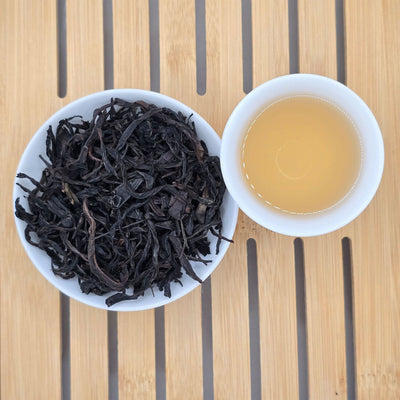
Discover Traditional Phoenix Mountain Oolong
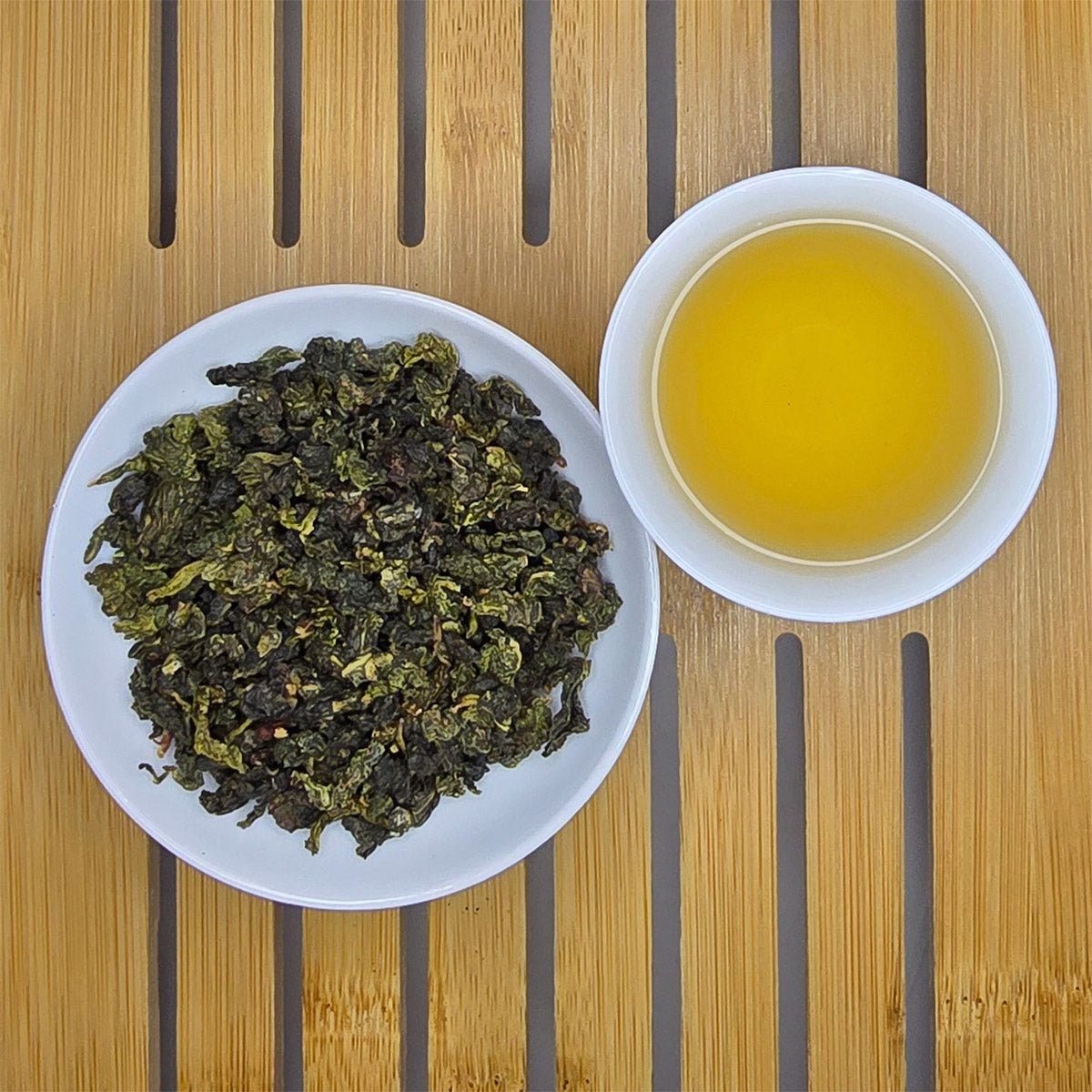
Fenghuang Dan Cong Oolong Tea
Orchid Fragrance | Lychee & Honey | Silky Sweetness
Discover the extraordinary fragrance of Fenghuang Dan Cong, a celebrated Phoenix Mountain oolong from Guangdong Province, China. Grown in the renowned Fenghuang Mountains and carefully crafted using traditional techniques, this elegant tea reveals enchanting orchid aromas, luscious lychee and tropical fruit notes, delicate honey sweetness and a subtle hint of spice. Its silky texture and beautifully lingering finish evolve across multiple infusions, making every cup a fascinating exploration of Chinese oolong craftsmanship.
Explore Tea →Mi Lan Xiang (Honey Orchid Aroma)
Mi Lan Xiang is one of the best-known Phoenix Dan Cong aroma styles. Its name means "Honey Orchid Aroma", a reference to the floral sweetness often associated with the tea rather than an added ingredient.
Depending on the batch and brewing method, Mi Lan Xiang can offer notes reminiscent of honey, orchids and ripe fruit, balanced by the fresh structure characteristic of many Phoenix oolongs.
Ya Shi Xiang (Duck Shit Aroma)

Discover Traditional Phoenix Mountain Oolong
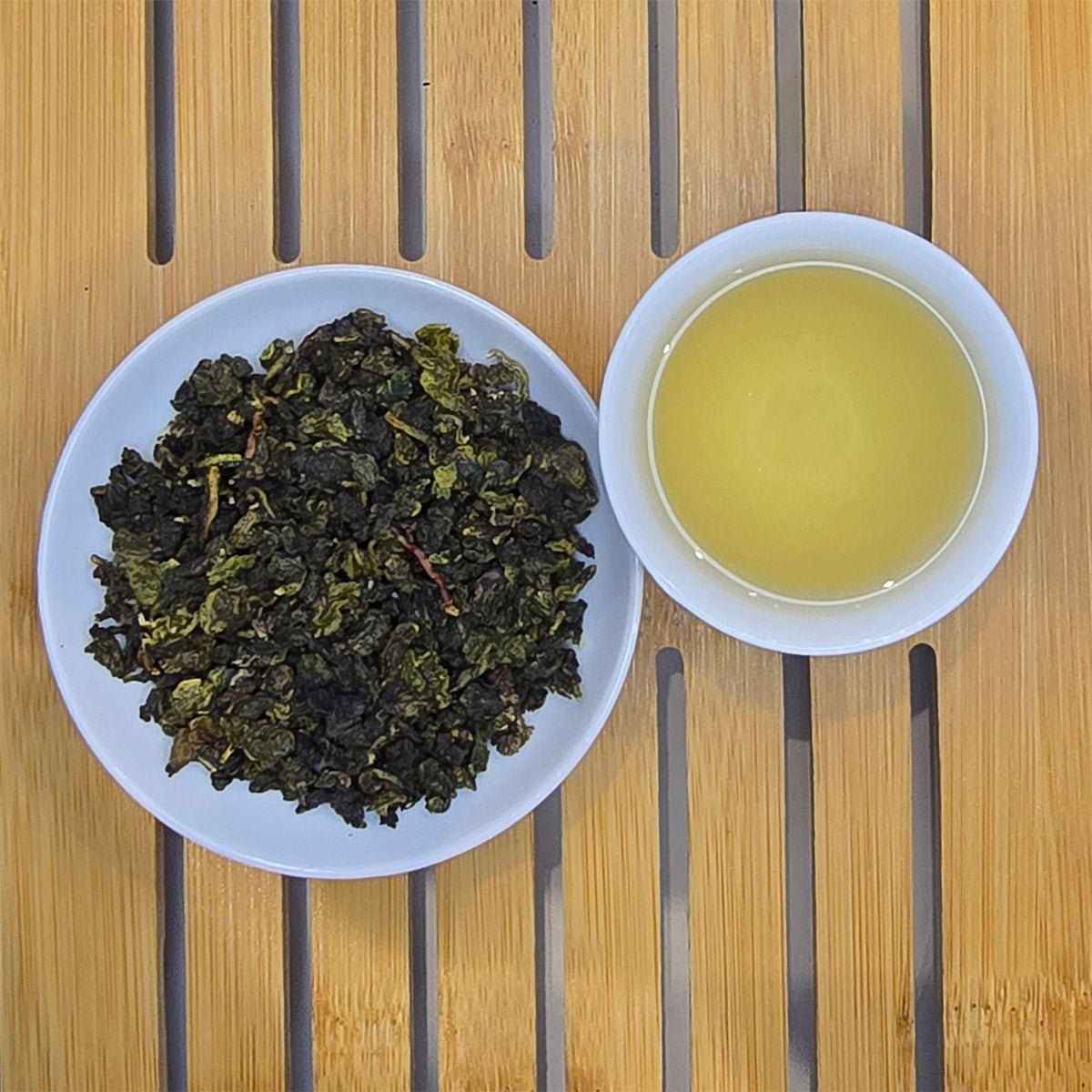
Ya Shi Xiang Dancong Oolong Tea
Orchid & Gardenia | Floral Honey | Lingering Sweetness
Discover the captivating fragrance of Ya Shi Xiang Dancong, a prized Phoenix Mountain oolong from Chaozhou in Guangdong Province, China. Traditionally known as "Duck Shit Aroma" tea, this exceptional oolong is celebrated for its remarkably elegant floral character. Each infusion reveals enchanting orchid and gardenia aromas, delicate honeyed sweetness and a refreshing, smooth texture. Its distinctive high-mountain character and beautifully lingering finish develop across multiple infusions, offering a fascinating expression of traditional Chinese Dancong craftsmanship.
Explore Tea →Other Phoenix Dan Cong Aroma Styles

Discover Traditional Phoenix Mountain Oolong
Fenghuang Dan Cong Oolong Tea
Orchid Fragrance | Lychee & Honey | Silky Sweetness
Discover the extraordinary fragrance of Fenghuang Dan Cong, a celebrated Phoenix Mountain oolong from Guangdong Province, China. Carefully crafted using traditional techniques, this beautifully aromatic tea reveals enchanting orchid notes, luscious lychee and tropical fruit flavours, delicate honeyed sweetness and a subtle hint of spice. Its silky texture and lingering floral finish evolve gracefully across multiple infusions, offering a captivating introduction to the distinctive character of traditional Phoenix Dancong oolong tea.
Explore Tea →
Discover Rare Old Tree Phoenix Oolong
Old Tree Song Zhong Phoenix Dancong Oolong Tea
Orchard Blossom | Citrus & Honey | Gentle Roasted Warmth
Experience the remarkable elegance of Old Tree Song Zhong, a rare Phoenix Dancong oolong from the celebrated tea-growing mountains of Chaozhou, Guangdong Province. Produced from the revered Song Zhong cultivar, this exceptional tea is carefully withered, oxidised and slowly charcoal-roasted using traditional craftsmanship. Each infusion reveals fragrant orchard blossoms, bright citrus nuances and delicate sweetness, balanced by gentle roasted warmth. Its smooth, silky texture and beautifully persistent finish offer a refined expression of China's Phoenix Mountain tea heritage.
Explore Tea →Yingde Black Tea (Ying Hong)
Yingde, in northern Guangdong, is known for its black tea, often referred to as Ying Hong. Unlike Phoenix Dan Cong, this tea is fully oxidised during processing.
Yingde black teas can offer a rounded, brisk cup with malty, sweet or fruity notes, depending on the cultivar and production method. They provide a useful contrast to the floral complexity of Guangdong's oolongs.
Tea Growing Conditions in Guangdong
Guangdong's generally warm, humid climate supports tea cultivation, but the province contains a wide variety of growing environments. The most interesting differences often occur at a local level.
Climate, Mist and Elevation
In the Phoenix Mountains, higher slopes can be cooler than nearby lowland areas. Cloud cover, mist and seasonal rainfall may influence how quickly tea shoots develop, while the timing of harvest changes with altitude and weather.
These conditions are only part of the picture. Cultivar selection, pruning, picking standards and the producer's processing decisions can have just as much influence on the final tea.
Soils and Hillside Gardens
Tea plants generally prefer acidic, well-drained soils. In Guangdong's hilly tea districts, slope and drainage can help create suitable growing conditions, though soil composition differs from one garden to another.
The relationship between the land and the finished tea is complex. Descriptions such as "mountain-grown" can be useful geographical information, but they do not guarantee a particular flavour or quality.
Harvesting and Processing Guangdong Tea
Spring is an important harvest season for Phoenix Dan Cong, although picking dates vary with weather, elevation and the tea being made. Growers select leaves according to the intended style rather than following one fixed standard for every tea.
Traditional Phoenix Oolong Processing
After picking, the leaves are withered to reduce moisture. They then undergo controlled oxidation, often encouraged through careful handling that affects the leaf edges. Heating stops further enzymatic oxidation before the leaves are rolled and dried.
Some Phoenix Dan Cong teas receive additional roasting. The producer must balance the tea's natural fragrance with the depth developed through heat: too much roasting can obscure delicate aromas, while too little may not suit the intended style.
Yingde Black Tea Processing
Black tea production follows a different approach. Leaves are withered, rolled or otherwise shaped, allowed to oxidise more fully, and then dried. This develops the darker leaf colour and characteristic aromas of black tea.

What Does Guangdong Tea Taste Like?
The best-known Guangdong oolongs are often remarkably aromatic. Phoenix Dan Cong can display floral, fruity and honey-like notes, with a lively texture and a long finish. Some examples are delicate and perfumed; others are richer, more roasted or slightly astringent.
Mi Lan Xiang is commonly associated with honeyed floral notes, while Ya Shi Xiang is known for its distinctive fragrance. These are useful descriptions, not guarantees that every harvest will taste identical.
Yingde black tea offers a different experience, often with more body and a rounded, malty sweetness. Comparing the two styles is a good way to appreciate Guangdong's range of tea production.
For Phoenix Dan Cong, shorter infusions and careful control of water temperature can help manage bitterness while bringing out successive layers of aroma. Many drinkers use near-boiling water in small Gongfu brewing vessels, adjusting the quantity of leaves and infusion time to suit the tea.
Chaozhou Gongfu Tea Culture
Chaozhou is famous for its Gongfu tea tradition, a careful and sociable approach to preparing tea that is particularly well suited to aromatic oolongs.
Small teapots or gaiwans are used with a relatively generous amount of leaf, and the tea is brewed through several short infusions. Each infusion may reveal a different balance of fragrance, sweetness, texture and aftertaste.
The method encourages attention to detail without requiring elaborate equipment. More importantly, it reflects the place of tea in everyday hospitality and conversation.
For anyone exploring Phoenix Dan Cong, trying several short infusions can reveal qualities that are less obvious when the tea is brewed just once in a large pot.
Why Is Guangdong Important to Chinese Tea?
Guangdong occupies a distinctive place among China's tea-growing provinces. Its reputation rests especially on Phoenix Dan Cong, a family of oolongs shaped by local cultivars, skilled processing and a longstanding culture of careful brewing.
The Phoenix Mountains provide an important geographical centre for this tradition, while Yingde demonstrates the province's ability to produce a very different style of tea.
For tea drinkers interested in the influence of origin and processing, Guangdong offers a rewarding comparison with the Wuyi rock teas of Fujian. Both regions produce celebrated oolongs, but their cultivars, traditions and typical flavour profiles are not the same.
Frequently Asked Questions About Guangdong Tea
What tea is Guangdong Province famous for?
Guangdong is particularly famous for Phoenix Dan Cong oolong teas from the Phoenix Mountains near Chaozhou. The province also produces Yingde black tea.
Where are the Phoenix Mountains?
The Phoenix Mountains, known as Fenghuang Shan, are located near Chaozhou in eastern Guangdong Province, southern China.
What is Phoenix Dan Cong tea?
Phoenix Dan Cong is a family of aromatic oolong teas associated with the Phoenix Mountains. Different selections and styles are known for floral, fruity and honey-like aromas.
Is Phoenix Dan Cong a green tea?
No. Phoenix Dan Cong is an oolong tea. It undergoes controlled partial oxidation during processing, unlike green tea, which is heated early to prevent significant oxidation.
What does Mi Lan Xiang mean?
Mi Lan Xiang means "Honey Orchid Aroma". It is a well-known Phoenix Dan Cong style named for the sweet, floral fragrance often found in the tea.
Why is a tea called Duck Shit Aroma?
Ya Shi Xiang, often translated as "Duck Shit Aroma", has a name rooted in local tea folklore. The tea itself is valued for its floral fragrance and does not taste or smell like its literal English name.
What is the difference between Phoenix Dan Cong and Wuyi rock tea?
Both are Chinese oolongs, but Phoenix Dan Cong comes from Guangdong and is particularly associated with expressive floral and fruity aromas. Wuyi rock tea comes from Fujian and is often known for its roasted, mineral-like and woody character. Individual teas vary considerably.
How should Phoenix Dan Cong be brewed?
Phoenix Dan Cong is often brewed Gongfu-style, using a small teapot or gaiwan and several short infusions. Start with brief steeps and adjust to taste, as some examples can become bitter if over-brewed.


