








Chen Pi - Dried Tangerine Peel
Available in stock (197)
Chen Pi – Traditional Aged Dried Tangerine Peel
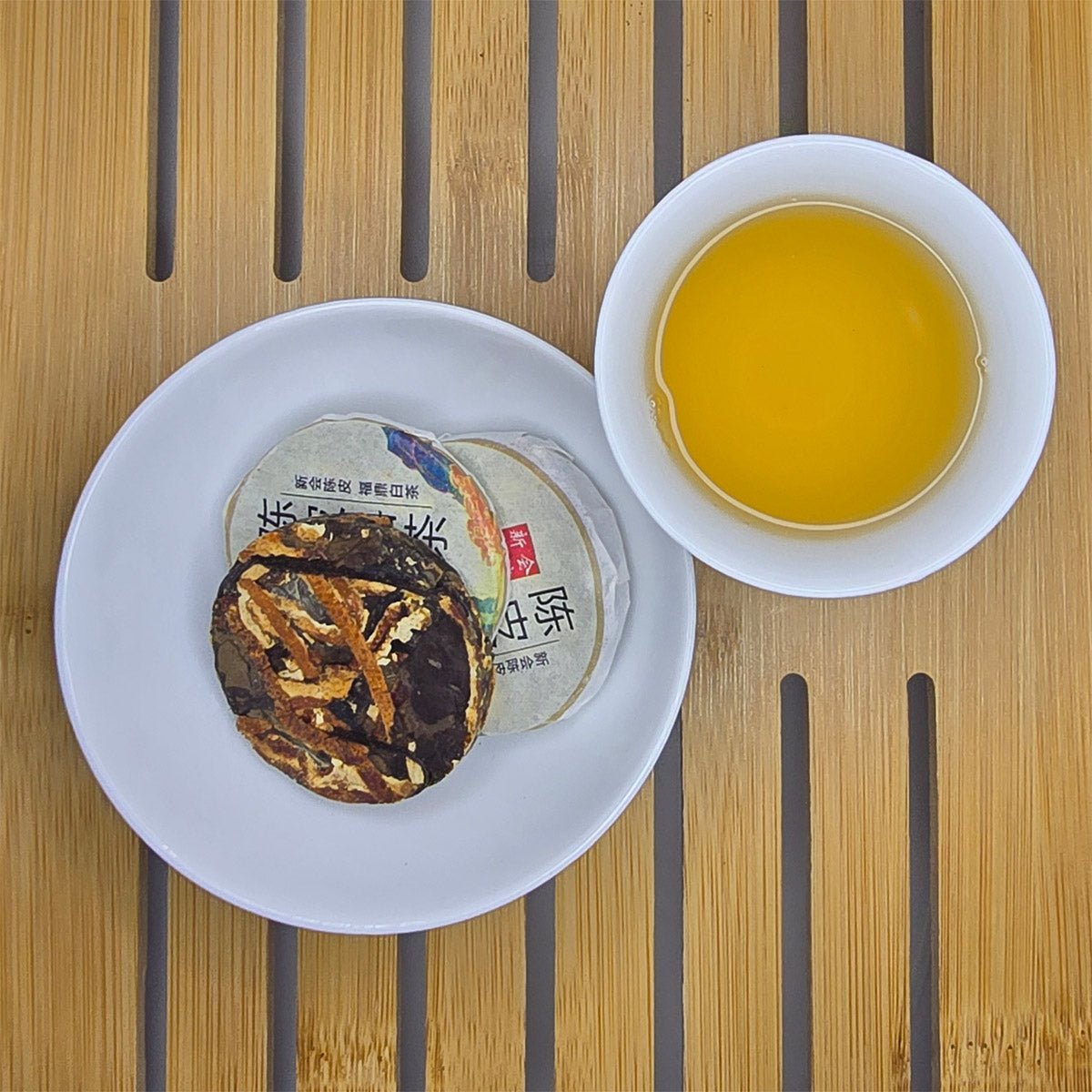
Chen Pi is dried tangerine peel that has been carefully aged to develop a rich, mellow citrus character. A familiar ingredient in Chinese tea culture and cooking, it has a distinctive aroma of warm orange peel, gentle spice and aged wood. Our Chen Pi can be brewed on its own for a naturally caffeine-free infusion or added to loose leaf tea to bring a deeper, more rounded citrus flavour.
Unlike fresh orange zest, which has a sharp, bright fragrance, aged tangerine peel develops a more complex character over time. The initial citrus notes gradually soften, revealing hints of orange marmalade, dried fruit and a gentle herbal warmth. Just a small piece can transform a cup of tea without overwhelming its natural flavour.
Chen Pi is particularly enjoyable with aged white tea and Puer tea, where its mellow citrus notes complement the deeper, earthy character of the leaves. It can also be used in soups, slow-cooked dishes and desserts. For us, its appeal lies in that versatility: a simple ingredient with a surprising amount of character.
Origin: China (specific growing region to be confirmed)
Type: Aged Dried Tangerine Peel
Tea Type: Herbal Infusion (Naturally Caffeine-Free when brewed alone)
Form: Loose Dried Citrus Peel
Available Sizes: 50g, 125g and 250g
A Long History of Use
Chen Pi has been used in China for centuries, with references to dried citrus peel appearing in traditional herbal and culinary texts. Its place in Chinese culture extends well beyond tea, with the peel used to flavour soups, braised dishes, desserts and traditional preparations.
The name explains something important about the ingredient. "Chen" (陳) means aged or old, while "Pi" (皮) means peel. Ageing is what distinguishes Chen Pi from ordinary freshly dried citrus zest.
After drying, the peel is traditionally stored and allowed to mature. As time passes, the sharper citrus aroma becomes more rounded, developing the warm, slightly sweet and woody notes associated with aged Chen Pi.
Chen Pi also has a long history in traditional Chinese herbal practice. Here, we appreciate it primarily for its flavour, fragrance and versatility in tea and cooking.
For more about its history and relationship with Chinese tea, read our article: The Timeless Tale of Citrus-Infused Teas.
The Home of Chen Pi
Xinhui, in Guangdong Province, is particularly well known for producing aged tangerine peel. The region has a long tradition of cultivating citrus varieties suited to Chen Pi production, and its peel is highly regarded in Chinese tea and culinary culture.
Traditional Chen Pi production involves several stages:
- Harvesting: Suitable mandarins or tangerines are selected for their aromatic peel.
- Peeling: The outer skin is carefully separated from the fruit.
- Drying: The peel is dried to reduce moisture and prepare it for storage.
- Ageing: The dried peel is stored under appropriate conditions, allowing its aroma and flavour to develop over time.
As the peel matures, its bright citrus character can become deeper and more complex. The precise result depends on the fruit variety, growing region, processing and storage conditions.
Tasting Notes
| Attribute | Description |
|---|---|
| Aroma | Warm tangerine peel, orange marmalade, gentle spice and subtle woody notes |
| Flavour | Mellow citrus with hints of dried fruit, herbal sweetness and light bitterness |
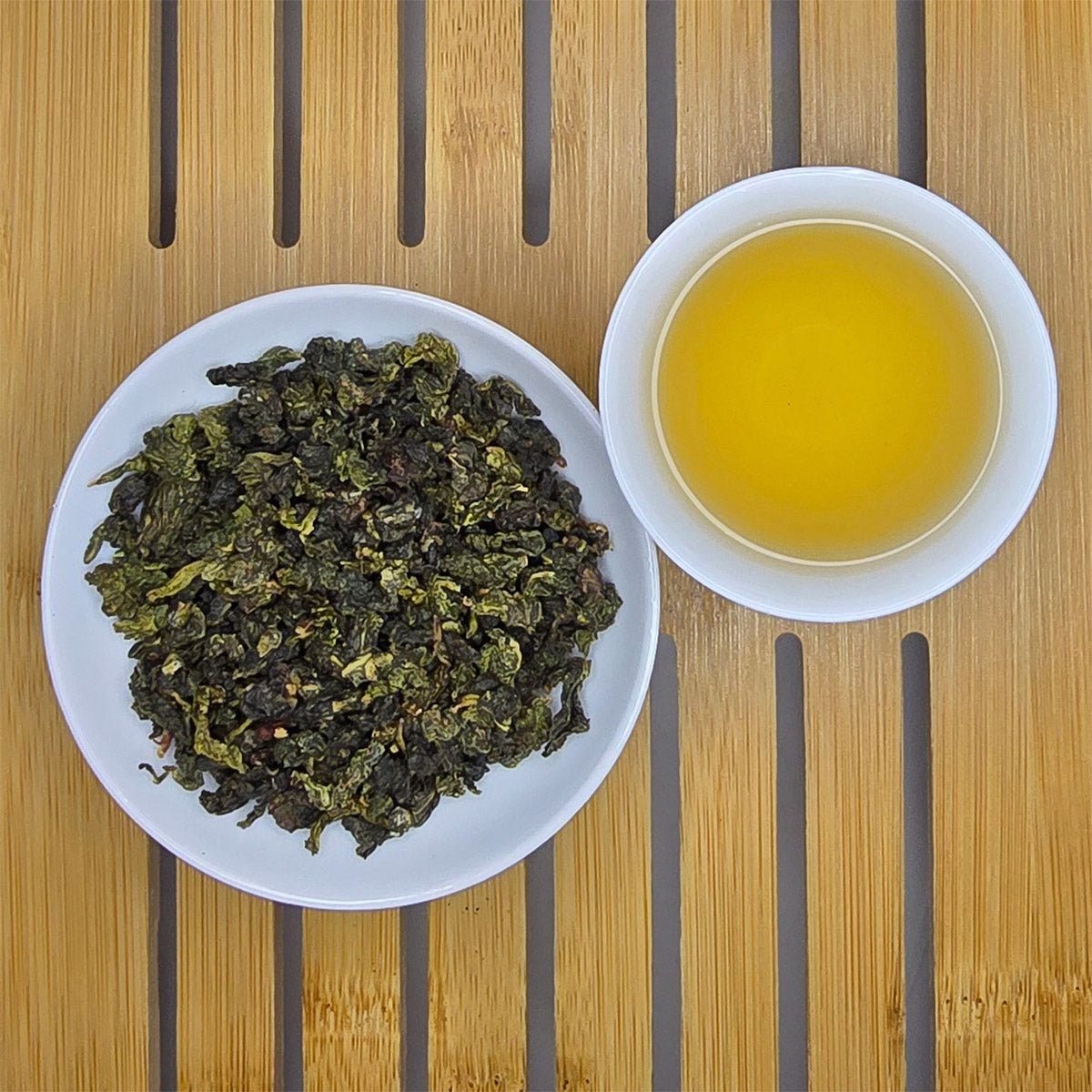
| Liquor Colour | Clear golden yellow to light amber, depending on brewing strength |
| Mouthfeel | Light and smooth, with a rounded citrus character |
| Finish | Lingering warm citrus with gentle herbal and woody notes |
Chen Pi has a different character from fresh orange or lemon peel. Rather than a sharp citrus flavour, it offers a warmer, more mellow infusion with a subtle bitterness that balances its natural sweetness. The strength can be adjusted easily by changing the amount of peel or brewing time.
Brewing Guide
Tea-to-Water Ratio: 1–2g dried Chen Pi per 250ml of water
Water Temperature: 95–100°C
Steeping Time: 3–5 minutes
Break off a small piece of dried tangerine peel and place it in a teapot or infuser. Pour over freshly heated water and allow it to steep for 3–5 minutes. Strain and enjoy the warm citrus aroma and mellow flavour.
For a stronger infusion, use a slightly larger piece or extend the steeping time. Be aware that longer brewing can bring out more of the peel's natural bitterness. The same piece may be infused again, although the flavour will gradually become lighter.
Chen Pi can also be added directly to loose leaf tea. Start with a small amount so the citrus complements the tea rather than dominating it.
| Variation | How to Enjoy |
|---|---|
| Pure Chen Pi Infusion | Brew a small piece in hot water for a naturally caffeine-free citrus drink |
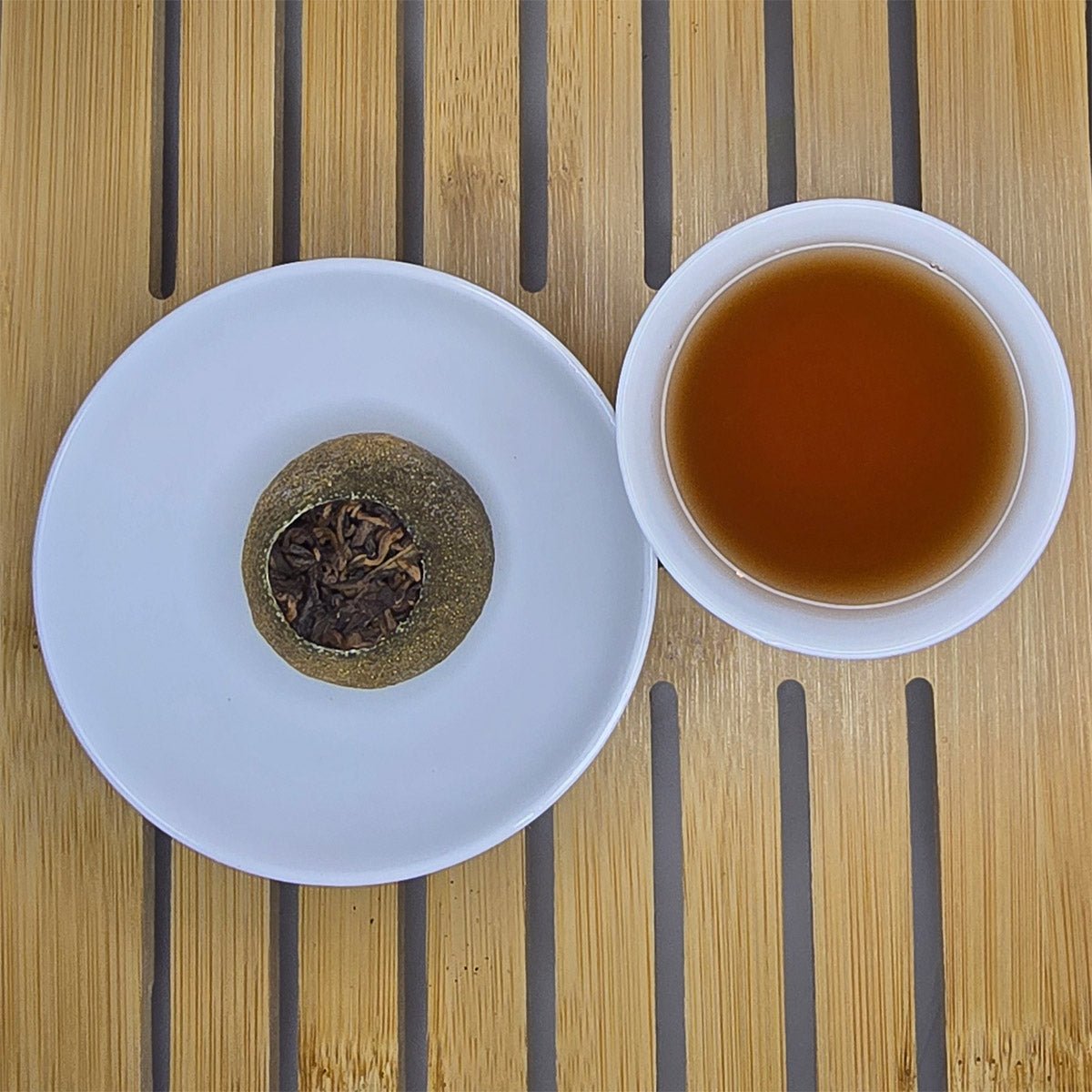
| Chen Pi with Puer Tea | Add a little peel to ripe Puer for a rich, earthy infusion with warm citrus notes |
| Chen Pi with White Tea | Combine with aged white tea for a mellow blend with gentle dried fruit sweetness |
| Chen Pi with Floral Tea | Pair with jasmine flowers or rose buds for a fragrant citrus-floral infusion |
| Chen Pi with Mint | Combine with peppermint for a fresh herbal drink with a warmer citrus finish |
| Chinese Cooking | Add a small piece to soups, broths or braised dishes during cooking |
Key Features
- Traditional Chen Pi made from dried, aged tangerine peel
- Warm citrus aroma with gentle spice and woody notes
- Naturally caffeine-free when brewed without tea leaves
- Suitable for hot infusions and loose leaf tea blends
- Pairs particularly well with aged white tea and Puer tea
- Versatile ingredient for Chinese soups, braised dishes and desserts
- Available in 50g, 125g and 250g sizes
One of the pleasures of Chen Pi is experimenting with different teas. A small piece added to a familiar infusion can bring a completely different character, particularly with darker, aged teas. Start with a little and adjust to suit your taste.
Ingredients
Dried tangerine peel (Chen Pi). Supplied as loose pieces of citrus peel, suitable for measuring into individual infusions, tea blends or recipes.
Cooking with Chen Pi
Chen Pi is a familiar ingredient in Chinese cooking, particularly in slow-cooked dishes where its aroma has time to develop. A small piece can add citrus depth to broths, soups and braised meats without the sharper taste of fresh orange zest.
It can also be infused into syrups or used to flavour suitable desserts. For a more pronounced citrus character, briefly soak the peel before adding it to a recipe, then use the soaking liquid if appropriate.
We're also planning to experiment with Chen Pi sorbet, a refreshing way to bring its distinctive citrus flavour into a summer dessert.
Storage Recommendations
Store Chen Pi in a clean, dry, airtight container away from direct sunlight, heat, moisture and strong odours. Keeping the peel dry is particularly important, as excess humidity can encourage mould growth and spoilage.
Although Chen Pi is traditionally valued for its ageing potential, further maturation requires suitable storage conditions. For everyday use, keep the packaging properly sealed, inspect the peel before brewing and follow the best-before information supplied with the product.
Why We Love It
There is something rather satisfying about an ingredient as simple as tangerine peel developing such depth through ageing. Chen Pi brings warmth and character to a cup without needing much preparation, and it works just as well in the kitchen as it does in a teapot.
We particularly enjoy it with aged white tea and Puer, where the mellow citrus notes sit naturally alongside the richer flavours of the leaves. If you haven't tried Chen Pi before, begin with a small piece brewed on its own. It's a lovely way to discover what makes this traditional ingredient so interesting.
Couldn't load pickup availability


Your payment information is processed securely. We do not store credit card details nor have access to your credit card information.
