








White Teas
Explore our collection of Chinese white teas, from the delicate sweetness of Silver Needle and the floral character of White Peony to the deeper, mellow flavours of aged Gongmei and Shou Mei. Our range includes loose leaf white tea, compressed tea biscuits and traditional white teas combined with fragrant tangerine peel.
White tea is gently processed to preserve the natural character of the leaves, but its flavour can vary considerably depending on the harvest, leaf grade and age. Browse our selection to discover fresh, lightly floral teas alongside richer, aged varieties with notes of honey, dried fruit and wood.


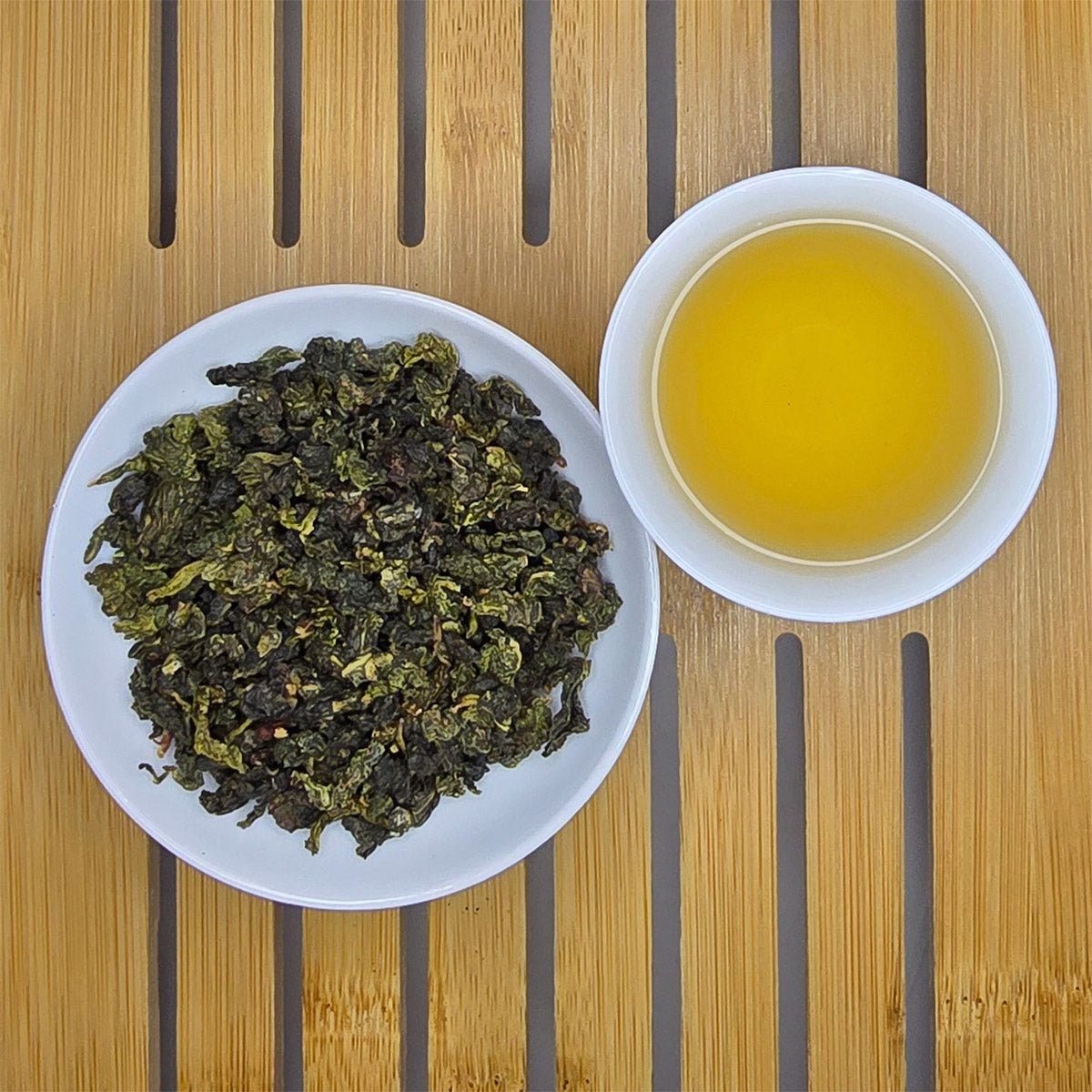
Organic Silver Needle Tea – Yunnan Pekoe Bai Hao Yin Zhen White Tea
Choose your option
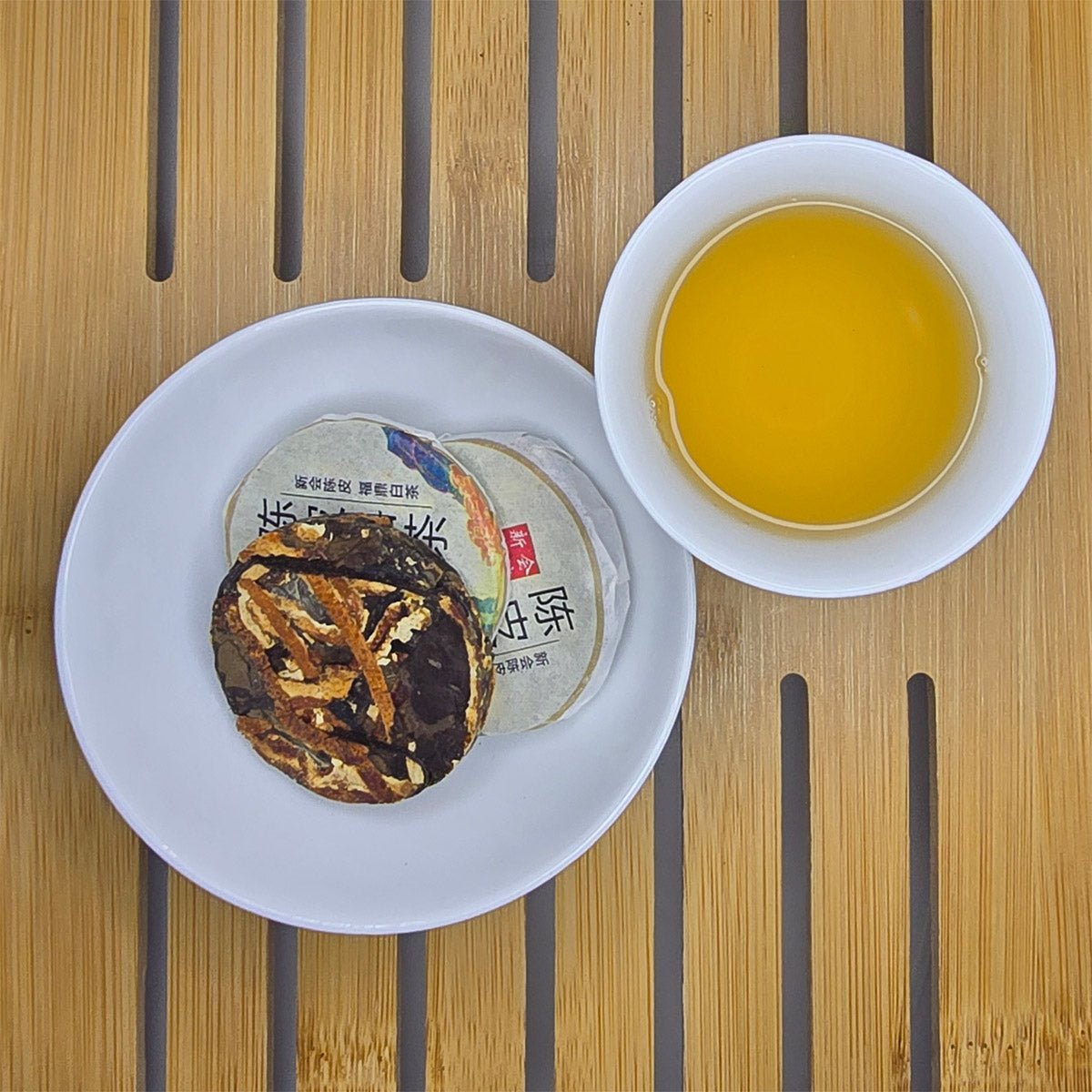
8-Year-Old, Three Treasures, Chen Pi White Tea
Choose your option
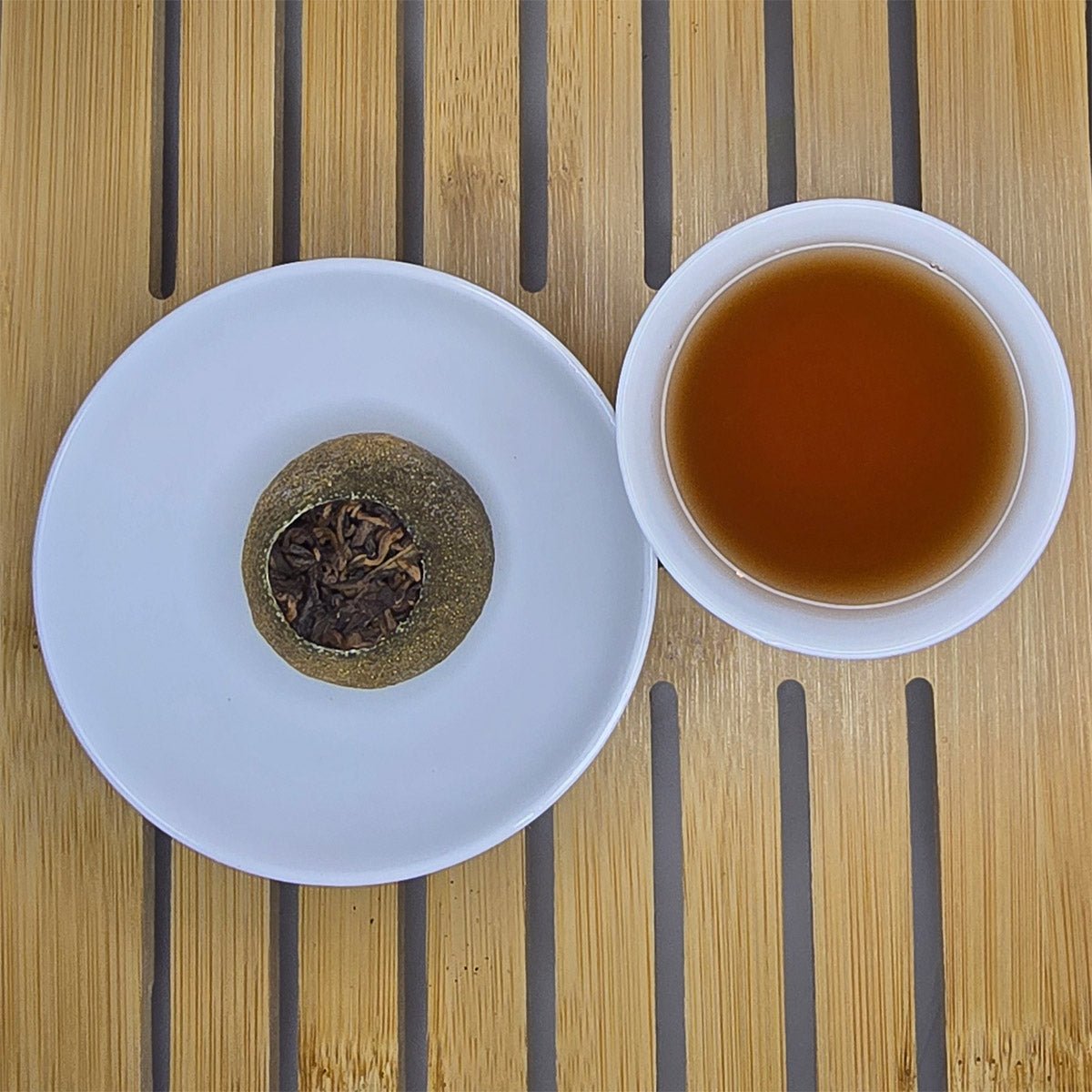
Gongmei (Tribute Eyebrow) Aged White Tea with Tangerine Peel
Choose your option


2020 Gongmei White Tea Slice, 5g
Choose your option


3-Year-Old, Three Treasures, Chen Pi White Tea
Choose your option


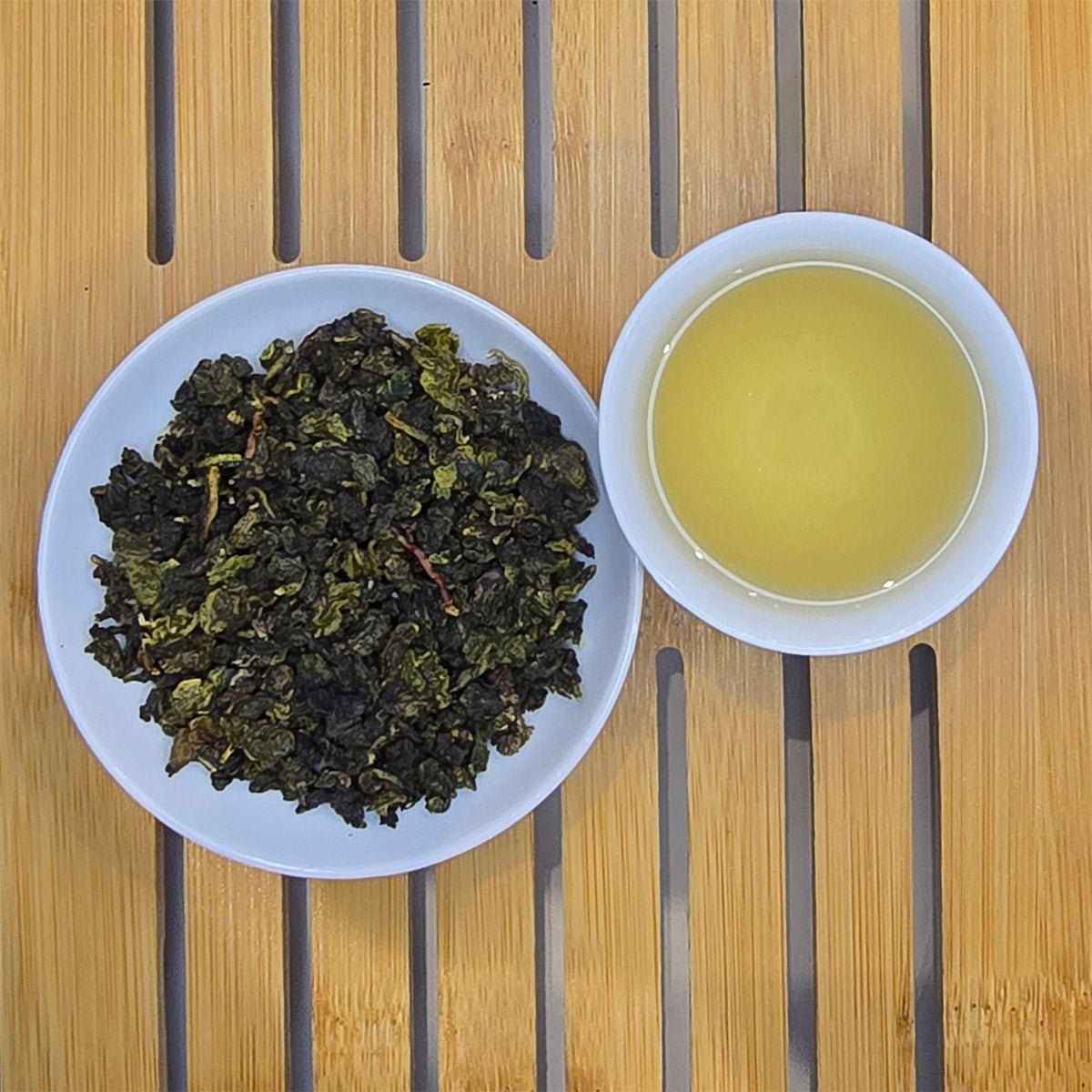
White Peony Tea Special Grade
Choose your option


Yunnan Laoshu Shou Mei White Tea, 8g Biscuit
Choose your option


2016, Old Baicha Shou Mei Zongzi White Tea Wrapped in Bamboo Leaf
Choose your option


Yunnan Big Pekoe Bai Hao Yin Zhen – 8g Slice Biscuit Tea
Choose your option
More about White Teas
What Is White Tea?
White tea is made from the leaves and buds of the Camellia sinensis plant, the same plant used to produce green, black and oolong tea. What makes white tea different is its relatively simple processing, which traditionally involves withering and drying the freshly picked leaves.
Unlike green tea, which is heated early in production to limit oxidation, white tea is generally allowed to wither naturally before being dried. Some oxidation occurs during this process, helping to develop its gentle sweetness and characteristic aroma.
China has a long tradition of white tea production, particularly in Fujian Province. Yunnan also produces distinctive white teas, including varieties made from large, downy buds.
Although white tea is often associated with delicate flavours, not every variety tastes the same. Younger, bud-rich teas can be light and floral, while mature leaves and aged white teas may produce fuller infusions with notes of honey, dried fruit and wood.
Explore Different Types of White Tea
Silver Needle White Tea (Bai Hao Yin Zhen)
Silver Needle, or Bai Hao Yin Zhen, is made from carefully selected young tea buds covered in fine, silvery-white hairs. It is one of the best-known traditional Chinese white teas and is particularly appreciated for its delicate character.
When brewed, Silver Needle typically produces a pale infusion with subtle floral notes, gentle sweetness and a smooth texture. Its flavour is refined rather than strong, making it a good choice if you enjoy lighter teas.
Our Organic Silver Needle Tea from Yunnan is made from young spring buds and offers a soft, naturally sweet infusion with delicate floral aromas.
White Peony Tea (Bai Mudan)
White Peony, also known as Bai Mudan, is traditionally made using a young tea bud together with one or two leaves. This gives it a slightly fuller character than Silver Needle while retaining the freshness associated with white tea.
Its flavour can include floral notes, gentle honey sweetness and a hint of fresh greenery. White Peony is a good starting point if you are new to white tea and would like something delicate but with a little more body.
Our White Peony Tea Special Grade comes from Fuding in Fujian Province. It produces a clear, light apricot-coloured infusion with a smooth texture and naturally sweet finish.
Gongmei White Tea (Tribute Eyebrow)
Gongmei, often translated as Tribute Eyebrow, is traditionally produced using more mature leaves than the bud-focused Silver Needle and White Peony styles.
It generally offers a fuller flavour, with mellow sweetness and a more rounded character. Depending on the harvest and ageing conditions, Gongmei can develop notes of honey, dried fruit and gentle woodiness.
Our collection includes Gongmei in convenient compressed portions, as well as aged Gongmei combined with tangerine peel for an additional citrus aroma.
Shou Mei White Tea (Longevity Eyebrow)
Shou Mei is another traditional Chinese white tea made primarily from more mature leaves, sometimes with a smaller proportion of buds.
Compared with Silver Needle, Shou Mei usually has a deeper colour and a stronger, more rounded flavour. Younger examples can be pleasantly fruity and sweet, while aged Shou Mei may develop richer notes of dried fruit, honey and wood.
Our selection includes Yunnan Laoshu Shou Mei in individual 8g biscuits and a 2016 aged Shou Mei wrapped in bamboo leaf.
White Tea Varieties Compared
The main white tea styles differ in the parts of the tea plant used and the flavours they tend to produce. This guide can help you choose a variety to try.
White Tea Leaf Selection Typical Flavour CharacterSilver Needle Young unopened buds Delicate, floral, gently sweet Light and subtleWhite Peony Young buds and leaves Floral, honeyed, fresh Soft and balancedGongmei More mature leaves, sometimes with buds Mellow, sweet, fruity Rounded and fuller-bodiedShou Mei Primarily mature leaves Fruity, honeyed, sometimes woody Rich and smooth
These are general characteristics rather than fixed rules. The growing region, harvest, processing and age of the tea can all influence the final flavour.
What Is Aged White Tea?
Some white teas are enjoyed soon after production, while others are stored for several years to allow their flavour to develop.
Under suitable storage conditions, white tea can gradually change in aroma, colour and taste. Fresh floral notes may become softer, while flavours associated with honey, dried fruit and wood can become more noticeable.
Gongmei and Shou Mei are commonly used for ageing, although other white tea styles can also mature over time. The quality of the original leaves and the storage conditions are important, and age alone does not guarantee a better tea.
Our collection includes aged white teas from different harvest years, including the 2016 Shou Mei wrapped in bamboo leaf and Three Treasures Chen Pi White Tea available in different ages.
White Tea with Tangerine Peel (Chen Pi)
Chen Pi is dried, aged citrus peel traditionally used in Chinese food and tea preparations. When combined with white tea, it adds a fragrant citrus character that complements the tea's natural sweetness.
Our collection includes Gongmei Aged White Tea with Tangerine Peel and Three Treasures Chen Pi White Tea.
These teas offer a different experience from plain white tea. The citrus peel brings a distinctive aroma, while the aged tea contributes a mellow, rounded flavour. They are particularly worth trying if you enjoy deeper, more aromatic infusions.
Explore our 8-Year-Old Three Treasures Chen Pi White Tea for an example of this traditional combination.
Loose Leaf and Compressed White Tea
White tea is available in several forms, including loose leaves, pressed cakes, bricks and small individual portions.
Loose leaf tea is straightforward to measure and brew in a teapot or infuser. It also allows you to see the shape and condition of the leaves, particularly with Silver Needle and White Peony.
Compressed white tea is made by pressing the leaves into a compact shape. This makes the tea easier to store and portion, especially when intended for ageing.
Our collection includes small white tea biscuits and slices, some weighing around 5g or 8g. These convenient portions can be separated or adjusted according to the quantity of water and your preferred brewing strength.
How to Brew White Tea
White tea can be brewed in a conventional teapot, an infuser or a traditional Chinese gaiwan. The ideal temperature and steeping time depend on the variety and whether the tea is fresh, aged or compressed.
Brewing Silver Needle and White Peony
For a lighter white tea, start with approximately 2–3g of leaves per 200ml of water.
Silver Needle often responds well to water around 75–85°C, while White Peony can generally be brewed at 85–90°C. Allow the leaves to steep for approximately 2–4 minutes, adjusting the time to suit your taste.
Using slightly cooler water can help bring out the delicate floral qualities of these teas without making the infusion too strong.
Brewing Aged White Tea
Aged Gongmei and Shou Mei can often be brewed with hotter water, typically around 90–95°C. Start with approximately 3–4g per 200ml and steep for 2–4 minutes.
Compressed tea may need a little more time for the leaves to open fully. If using a tea biscuit or slice, adjust the water quantity to suit the weight of the portion.
Many whole-leaf white teas can be infused several times. You may notice the flavour becoming softer or revealing different notes with each steep.
Always follow the recommendations for the individual tea where provided, as brewing requirements can vary.
Frequently Asked Questions About White Tea
Does white tea contain caffeine?
Yes. White tea naturally contains caffeine because it is made from the Camellia sinensis plant. The amount varies depending on the tea variety, the leaves or buds used and the brewing method. White tea is not necessarily lower in caffeine than green or black tea.
What does white tea taste like?
White tea can taste floral, fresh, honeyed or gently fruity. Silver Needle is generally delicate and subtle, while White Peony has a slightly fuller flavour. Aged Gongmei and Shou Mei can develop deeper notes of dried fruit, honey and wood.
Is white tea the same as green tea?
No. Although both come from the same tea plant, they are processed differently. Green tea is heated to limit oxidation, while white tea is traditionally withered and dried with relatively little intervention. These differences affect the aroma, appearance and flavour.
Can white tea be brewed more than once?
Yes. Many good-quality whole-leaf white teas can be brewed several times, particularly when prepared using a gaiwan. The number of infusions depends on the tea, leaf quantity and brewing method.
Does aged white tea taste better?
Ageing changes the character of white tea, but whether it tastes better is a matter of preference. Some people enjoy the fresh, floral qualities of younger tea, while others prefer the mellow sweetness and deeper flavours that can develop with age.
How should I store white tea?
Store white tea in a cool, dry place away from direct sunlight, moisture and strong odours. For everyday drinking, an airtight container is generally suitable. White tea intended for long-term ageing may require more specific storage conditions to preserve its quality.