








Fuding Tea Region, China
The Fuding tea region lies in northeastern Fujian Province, China, near the border with Zhejiang and along the coast of the East China Sea. This area is internationally renowned as the birthplace of Chinese white tea, producing some of the most celebrated examples of the style.
We think that Fuding is one of the most important regions for tea, and we have a number of lovely white teas that hail from this region.
Fuding’s tea gardens spread across a diverse landscape of mountains, coastal hills and mist-covered valleys, with many plantations located around the famous Taimu Mountain (Taimushan) area. The region combines maritime influences with mountain terroir, creating conditions that are especially suitable for cultivating delicate tea buds used for white tea.
Fuding is one of the largest white tea production and export bases in China, with a reputation of producing some fantastic teas that are exported all over the globe, including to us, here at Great Tea.
Geography and Climate
Fuding sits in what tea growers often refer to as the “golden latitude” for tea cultivation, around 27° north.
Several geographical features shape the terroir of the region:
- Subtropical monsoon climate with mild temperatures and high rainfall
- Proximity to the East China Sea, bringing humidity and cooling sea breezes
- Mountainous terrain, particularly around the Taimu Mountains
- Rich red and yellow soils with high organic content suitable for tea cultivation
The annual mean temperature in the area is around 18°C, providing an ideal balance of warmth and humidity for tea bushes.
These environmental conditions encourage slow bud growth and abundant downy hairs on the leaves, characteristics essential for high-quality white tea.
History of Tea in Fuding
Fuding has a deep historical connection to tea cultivation, with records of tea growing in the area dating back to early Chinese tea culture.
However, the modern style of white tea associated with the region developed during the Qing Dynasty. By the late 18th and early 19th centuries, cultivars such as Fuding Da Bai were being used to produce delicate bud teas like Silver Needle (Baihao Yinzhen).
Over time, tea farmers refined the simple processing technique of sun-withering and drying, creating a category of tea known for its minimal processing and subtle flavour.
The cultural importance of white tea in the region is significant. In fact, the production technique of Fuding white tea has been recognised as a national intangible cultural heritage in China, reflecting centuries of craftsmanship.
Famous Teas from Fuding
Bai Hao Yin Zhen (Silver Needle)
Bai Hao Yin Zhen, or Silver Needle, is the most prized white tea produced in Fuding.
It is made exclusively from young unopened buds, carefully hand-picked in early spring. The buds are covered in fine silvery hairs that give the tea its name.
Key characteristics include:
- Extremely delicate flavour
- Light, sweet aroma
- Pale golden infusion
- Smooth, lingering finish
Because only buds are used, Silver Needle production is limited, making it one of the most valuable white teas.
Bai Mu Dan (White Peony)
Bai Mu Dan, or White Peony, is another famous tea from Fuding.
Unlike Silver Needle, it is made from one bud and two young leaves, producing a fuller and slightly stronger flavour.
Typical flavour notes include:
- Floral and fruity aromas
- Gentle sweetness
- A soft, rounded body
This balance between delicacy and flavour makes Bai Mu Dan one of the most popular white teas worldwide.
Other White Teas from Fuding
Beyond the famous premium teas, Fuding also produces several other styles of white tea, including:
Gong Mei (Tribute Eyebrow)
- Made from more mature leaves
- Richer flavour and deeper colour
Shou Mei (Longevity Eyebrow)
- Later harvest tea
- Fuller body with honeyed and fruity notes
Aged White Tea
- White tea that has been stored for years
- Develops deeper sweetness and medicinal character
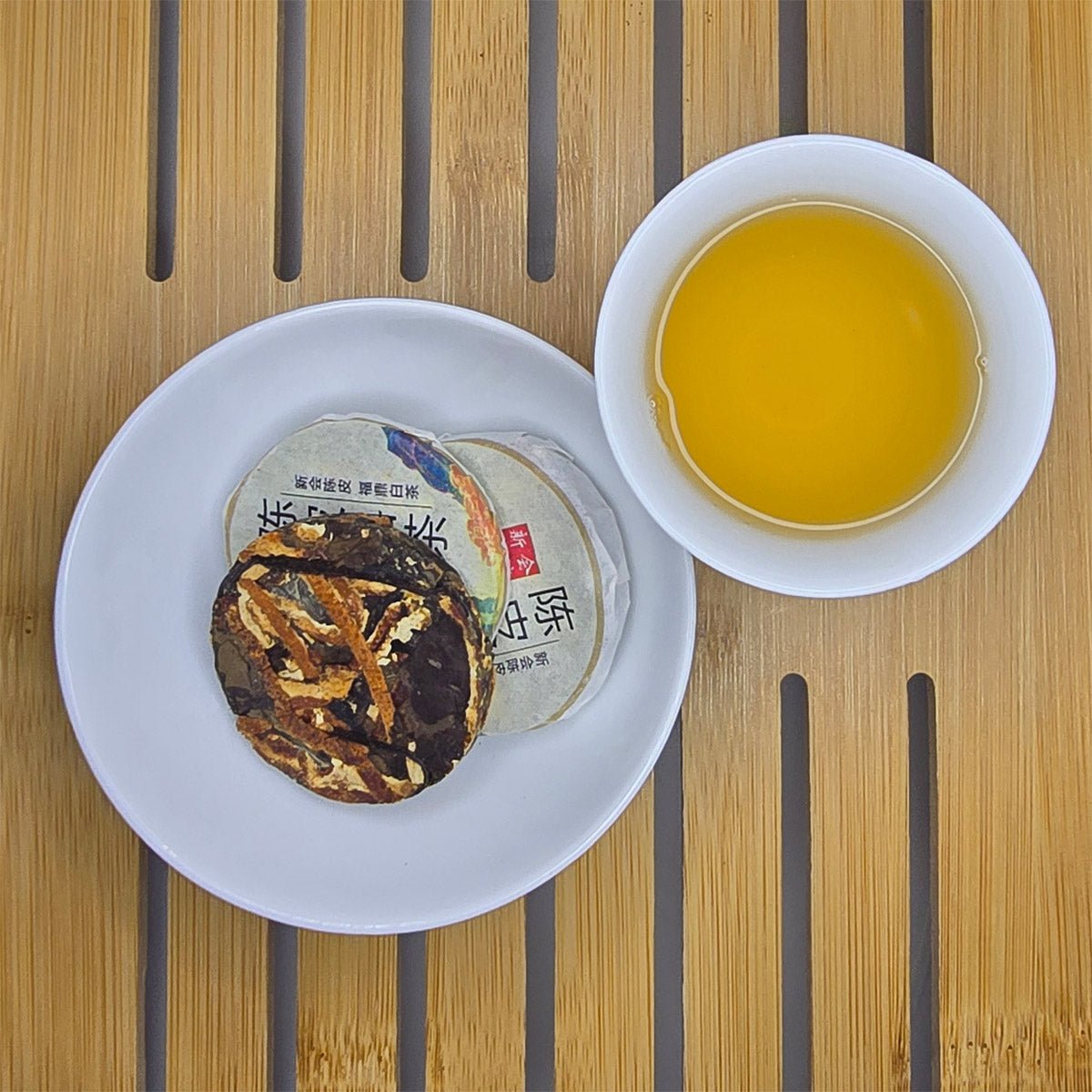
In local tradition, people often say that aged white tea evolves with time: “one year tea, three years medicine, seven years treasure.” We would 100% agree with this saying. We have some amazing aged-teas in stock, including both Shou Mei and Gong Mei with Chen Pi, which have been aged together to give a real tea experience.
Tea Cultivars of the Region
Several tea cultivars play an important role in Fuding’s white tea production, they are so well suited to the geography and climate (coastal-mountain terroir), producing award-winning teas:
-
Fuding Da Bai (Large White) – the primary cultivar used for Silver Needle and White Peony
-
Fuding Da Hao – another bud-rich cultivar suitable for white tea
These cultivars are prized for producing large buds covered in fine white hairs, a defining feature of high-quality white tea.
Why Fuding Tea Is So Special
The quality of Fuding white tea comes from a combination of factors:
- Unique coastal-mountain terroir
- Specialised tea cultivars
- Minimal processing methods
- Centuries of tea-making tradition
This combination produces teas known for their natural sweetness, delicate aromas and smooth texture, which distinguish them from other tea styles.
